Australia's National
Prison Newspaper

Australia's National
Prison Newspaper

Welcome to About Time

About Time is the national newspaper for Australian prisons and detention facilities

Your browser window currently does not have enough height, or is zoomed in too far to view our website content correctly. Once the window reaches the minimum required height or zoom percentage, the content will display automatically.

Alternatively, you can learn more via the links below.

Donations via GiveNow

Email

Instagram

LinkedIn

ISSUE NO. 13

August 2025

Donate Here

Legal Corner

Solitary Confinement as a Sentencing Factor

New sentencing manual for lawyers in Queensland released
By

Prisoners Legal Service

Willy Pleasance

Font Size
Font Size
Line Height
Line Height
Dyslexia Friendly
Black & White
Hide Images
Night Mode

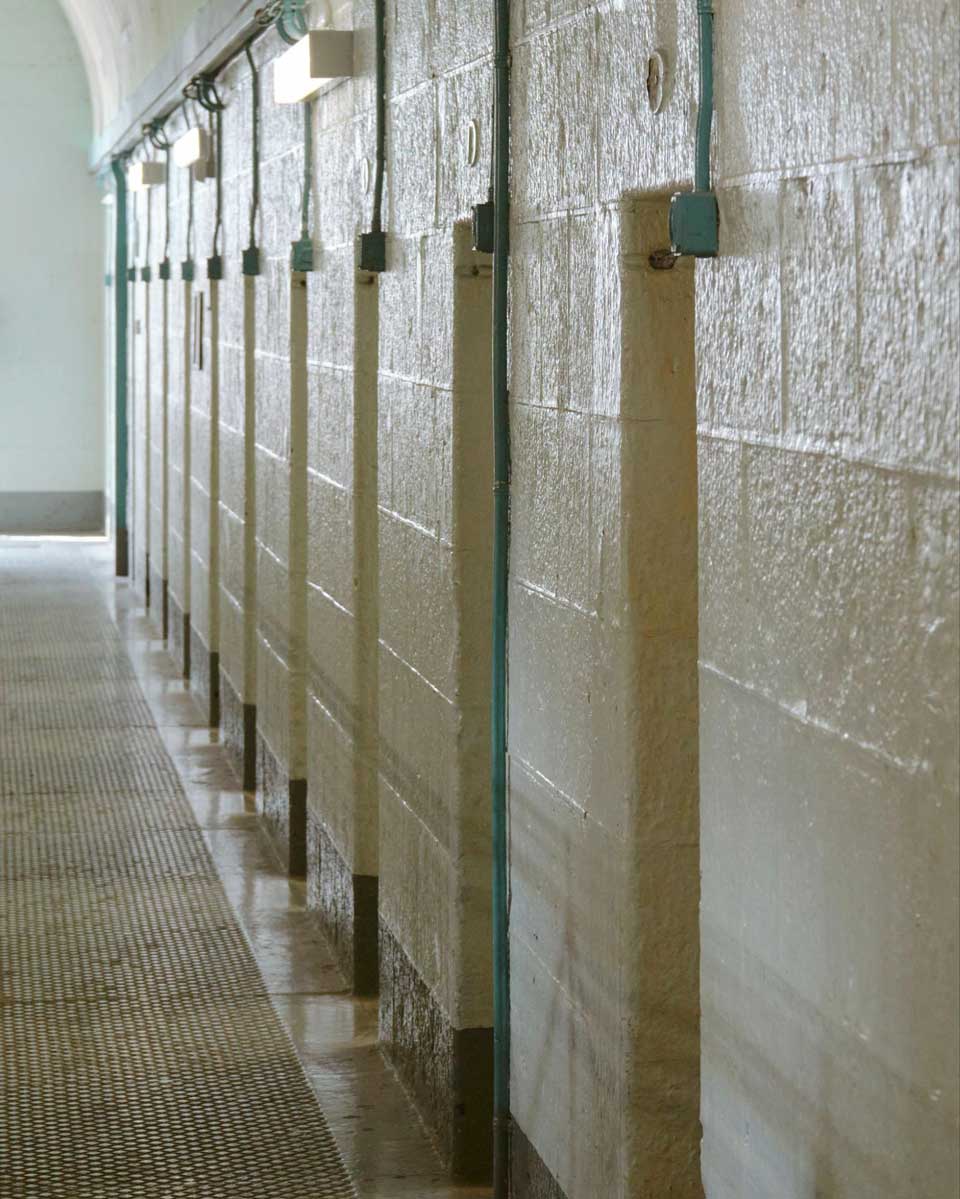
Solitary confinement occurs when a prisoner is locked down in their cell for at least 22 hours a day with very limited or no association with other prisoners. While conditions of solitary confinement can vary, common features include:

  • The cell is located in a separate part of the prison;
  • The cell has no windows, or windows may be small or partially covered, resulting in no or very limited natural light;
  • Lack of fresh air due to the cell conditions and lack of ability to leave the cell;
  • Lower standard facilities, including ‘small and barren’ exercise yards, unpowered cells or cells with plumbing restrictions (e.g. where the water can be turned off);
  • No, or very limited, contact with other prisoners;
  • Limited contact with other people, including family, health staff and lawyers;
  • Limited access to programs, including work and education;
  • Reduced privileges including visits, phone calls and television; and
  • Limited or special furniture, bedding and amenities.

If a prisoner is detained in solitary confinement, the conditions they face in custody are significantly more challenging compared to the general prison population. In some cases, this may be taken into account by a sentencing court and result in a shorter sentence being imposed.

Prisoners’ Legal Service in Queensland (PLS) has recently published the Solitary Confinement Sentencing Manual, which provides a practical guide for criminal lawyers in Queensland to help prepare and present evidence of solitary confinement as a mitigating factor in sentencing.

The manual aims to help Queensland lawyers identify when their client is being held in solitary confinement, obtain evidence of their solitary confinement and prepare material to assist in mitigating a sentence. More generally, it aims to raise awareness amongst criminal lawyers of the conditions that prisoners may face if kept in solitary confinement and the significant human rights concerns associated with this practice.

Solitary confinement occurs when a prisoner is locked down in their cell for at least 22 hours a day with very limited or no association with other prisoners. While conditions of solitary confinement can vary, common features include:

  • The cell is located in a separate part of the prison;
  • The cell has no windows, or windows may be small or partially covered, resulting in no or very limited natural light;
  • Lack of fresh air due to the cell conditions and lack of ability to leave the cell;
  • Lower standard facilities, including ‘small and barren’ exercise yards, unpowered cells or cells with plumbing restrictions (e.g. where the water can be turned off);
  • No, or very limited, contact with other prisoners;
  • Limited contact with other people, including family, health staff and lawyers;
  • Limited access to programs, including work and education;
  • Reduced privileges including visits, phone calls and television; and
  • Limited or special furniture, bedding and amenities.

If a prisoner is detained in solitary confinement, the conditions they face in custody are significantly more challenging compared to the general prison population. In some cases, this may be taken into account by a sentencing court and result in a shorter sentence being imposed.

Prisoners’ Legal Service in Queensland (PLS) has recently published the Solitary Confinement Sentencing Manual, which provides a practical guide for criminal lawyers in Queensland to help prepare and present evidence of solitary confinement as a mitigating factor in sentencing.

The manual aims to help Queensland lawyers identify when their client is being held in solitary confinement, obtain evidence of their solitary confinement and prepare material to assist in mitigating a sentence. More generally, it aims to raise awareness amongst criminal lawyers of the conditions that prisoners may face if kept in solitary confinement and the significant human rights concerns associated with this practice.

If you would like to request a copy of the Solitary Confinement Sentencing Manual or other resources about solitary confinement, please contact PLS at:

GPO Box 257
Brisbane, QLD, 4001

Please note that the Solitary Confinement Sentencing Manual only applies to prisoners in Queensland.

This article provides legal information only and is not a substitute for legal advice. If you wish to take any action arising from matters raised in this publication, you should consult a lawyer immediately.

What You Need to Know About OPCAT

What You Need to Know About OPCAT

What You Need to Know About OPCAT

By Andreea Lachsz
By Andreea Lachsz

When people are imprisoned, they lose their freedom, but they do not lose all of their human rights. International human rights law makes this very clear.

Legal Corner

ISSUE NO. 2

9 MIN READ

FAQs: Security Classifications in Queensland

FAQs: Security Classifications in Queensland

FAQs: Security Classifications in Queensland

By Prisoners’ Legal Service

Your security classification impacts which prison you are placed in and the level of security that is imposed on you.

Legal Corner

ISSUE NO. 16

2 MIN READ

Legal Q&A

Legal Q&A

Legal Q&A

Question from someone imprisoned in VIC

There are lots of reasons why people may get lighter or heavier sentences than someone else who has committed the same crime.

Legal Corner

ISSUE NO. 15

2 MIN READ

Laws Around Strip Searches in Prisons

Laws Around Strip Searches in Prisons

Laws Around Strip Searches in Prisons

By Daniel Vansetten
By Daniel Vansetten

Strip searching is a security practice purportedly used by prison authorities to prevent drugs and other contraband from entering prisons.

Legal Corner

ISSUE NO. 12

4 MIN READ

Leave a Comment

Thank you! Your submission has been received!
Oops! Something went wrong while submitting the form.
0 Comments
Author Name
Comment Time

Lorem ipsum dolor sit amet, consectetur adipiscing elit. Suspendisse varius enim in eros elementum tristique. Duis cursus, mi quis viverra ornare, eros dolor interdum nulla, ut commodo diam libero vitae erat. Aenean faucibus nibh et justo cursus id rutrum lorem imperdiet. Nunc ut sem vitae risus tristique posuere. uis cursus, mi quis viverra ornare, eros dolor interdum nulla, ut commodo diam libero vitae erat. Aenean faucibus nibh et justo cursus id rutrum lorem imperdiet. Nunc ut sem vitae risus tristique posuere.

Explainer of Prison Offence Laws

By About Time

There are major differences between how offences in prisons are dealt with around Australia. These offences typically range from minor ones, such as keeping an untidy cell, to more serious ones and others that can become criminal charges.

Legal Corner

ISSUE NO. 17

3 MIN READ

FAQs: Security Classifications in Queensland

By Prisoners’ Legal Service

Your security classification impacts which prison you are placed in and the level of security that is imposed on you.

Legal Corner

ISSUE NO. 16

2 MIN READ

Whistleblowing Laws: Protecting Those Who Speak Out

By Human Rights Law Centre lawyers Madeleine Howle and Kieran Pender

Wrongdoing thrives in the darkness. Too often, it is only because of brave people who speak out that the public learns what is happening in the shadows.

Legal Corner

ISSUE NO. 16

3 MIN READ

Legal Q&A

Question from someone imprisoned in VIC

There are lots of reasons why people may get lighter or heavier sentences than someone else who has committed the same crime.

Legal Corner

ISSUE NO. 15

2 MIN READ

Get the full paper in print each month.

6-Month Subscription:

Physical copy of About Time delivered to your home or organisation each month for six months. Paid upfront.

Subscribe for $70

12-Month Subscription:

Physical copy of About Time delivered to your home or organisation each month for twelve months. Paid upfront.

Subscribe for $125

Newsletter

Be the first to learn about our monthly stories, plus new initiatives and live events

You've successfully registered!
Something went wrong when we tried to register your details. Please try again.

Support Australia's First National Prison Newspaper

A place for news and education, expression and hope

Help keep the momentum going. All donations will be vital in providing an essential resource for people in prison and their loved ones.

All donations of $2 or more are tax deductible. If you would like to pay directly into our bank account to avoid the processing fee, please contact donate@abouttime.org.au. ABN 67 667 331 106.

It's
About Time.

A place for news and education, expression and hope.

Help us get About Time off the ground. All donations are tax deductible and will be vital in providing an essential resource for people in prison and their loved ones.

Donate Here

Newsletter

Be the first to learn about our monthly stories, plus new initiatives and live events

You've successfully registered!
Something went wrong when we tried to register your details. Please try again.