Upper Body Yoga
The Prison Phoenix Trust is a UK based charity providing prisoners with yoga and meditation classes, individual mentoring, peer-support and specialist educational resources accessible to a wide range of learning abilities.


Your browser window currently does not have enough height, or is zoomed in too far to view our website content correctly. Once the window reaches the minimum required height or zoom percentage, the content will display automatically.
Alternatively, you can learn more via the links below.
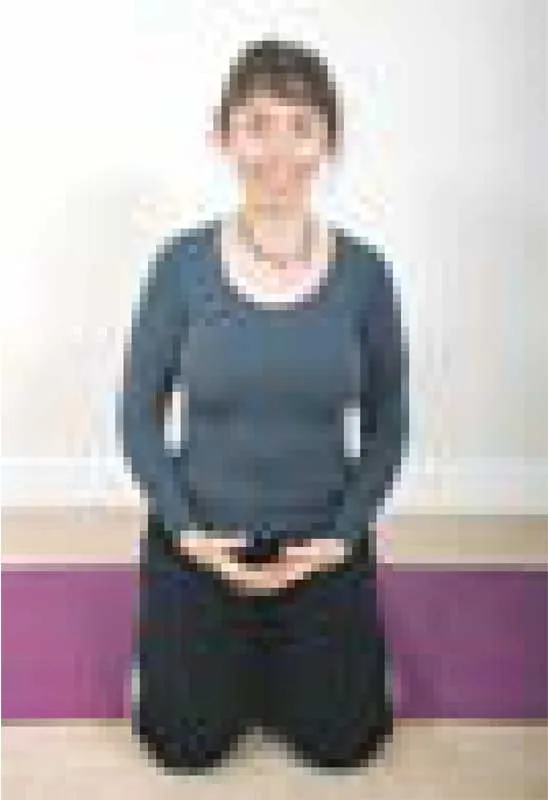
This series of upper body movements is both uplifting and calming, and is great preparation for meditation. It can be done standing or sitting, indoors or – if you have the chance – outside in the fresh air. Each set of three sequences is made in time with the breath and starts with hands together at the chest.
Start and finish the set of sequences with hands resting on one another. If you are kneeling, have the tops of your feet flat on the floor. You can place a folded pillow behind the knees and a rolled-up towel under the feet.
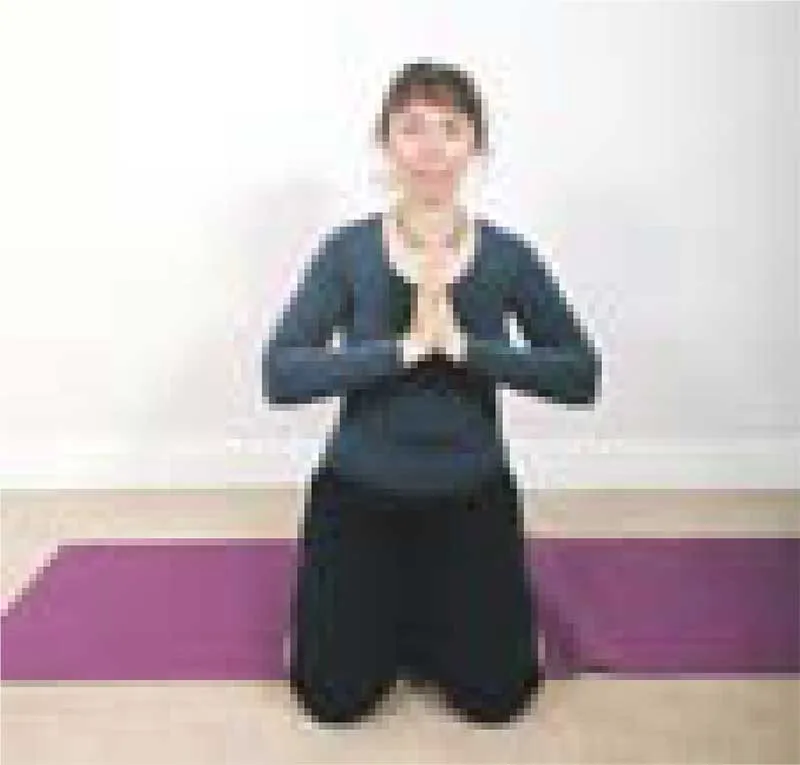
Breathe in – hands together at chest.
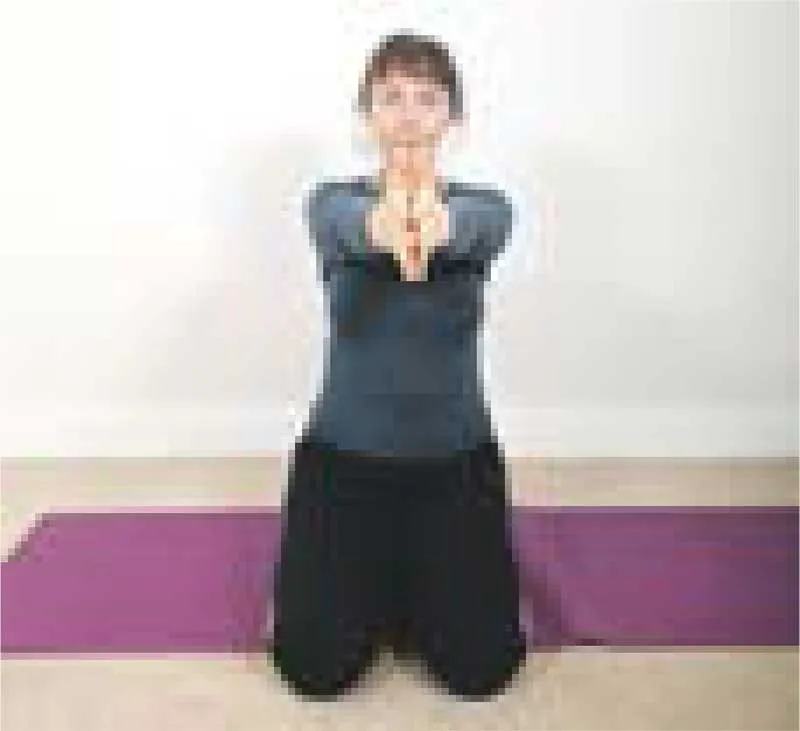
Breathe out – reach hands forward.
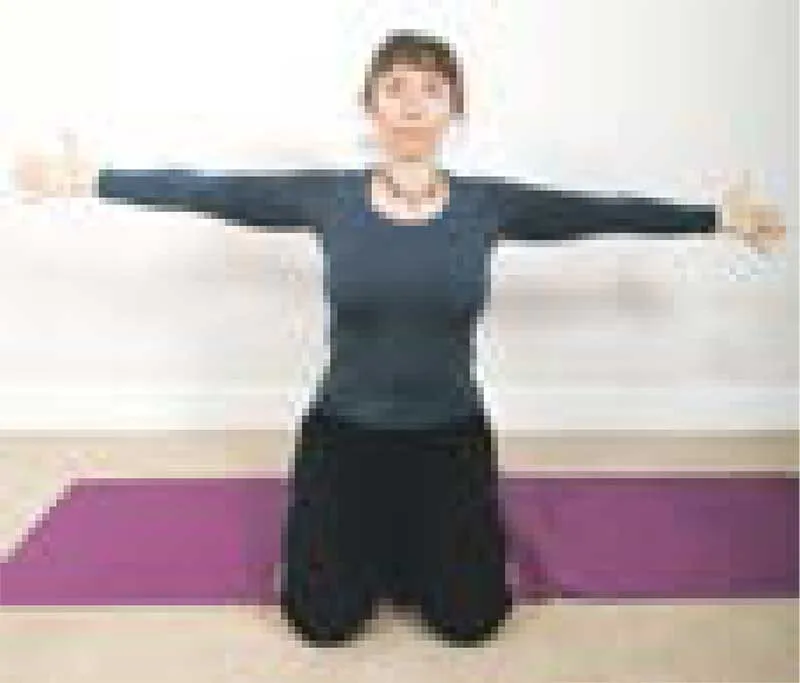
Breathe in – take arms wide.
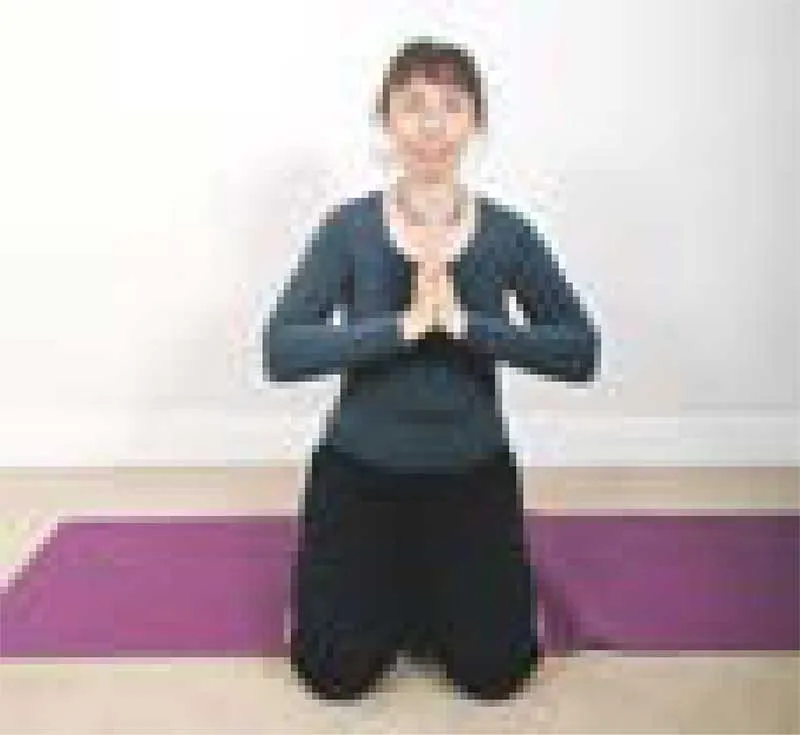
Breathe out – hands back together at the chest.
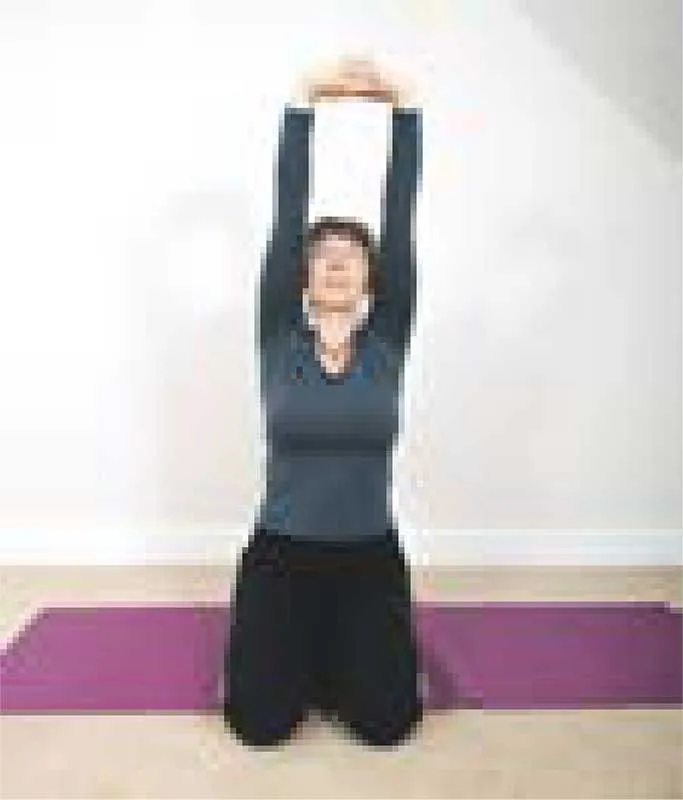
Breathe in – reach hands above head.
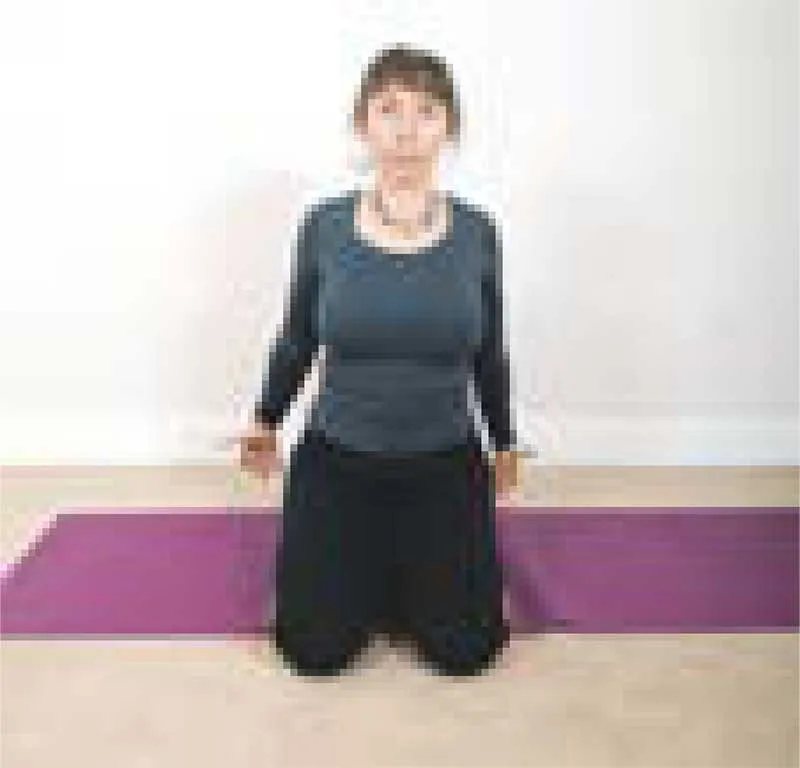
Breathe out – circles the arms down and behind.
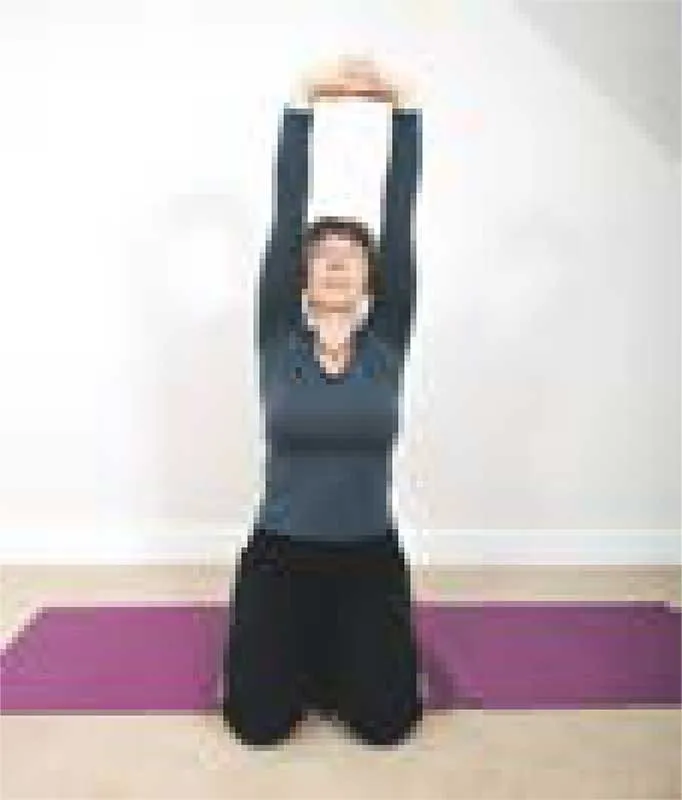
Breathe in – reach arms above head.
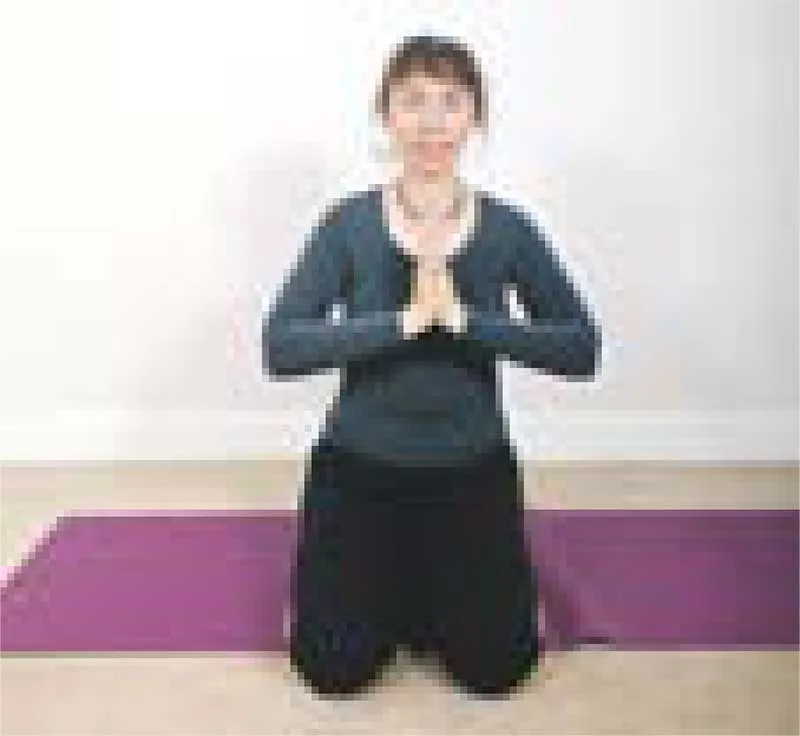
Breathe out – hands together at chest.
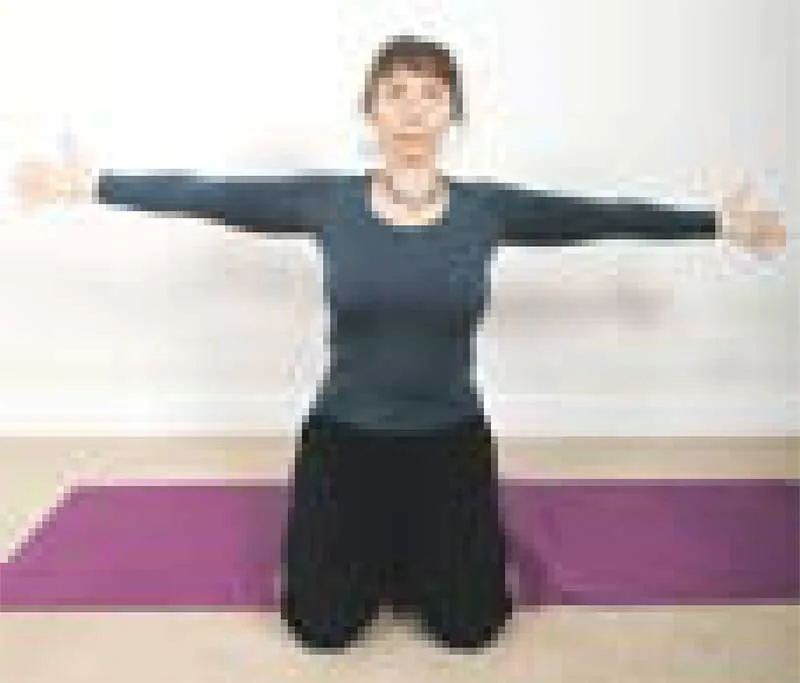
Breathe in – take arms wide.
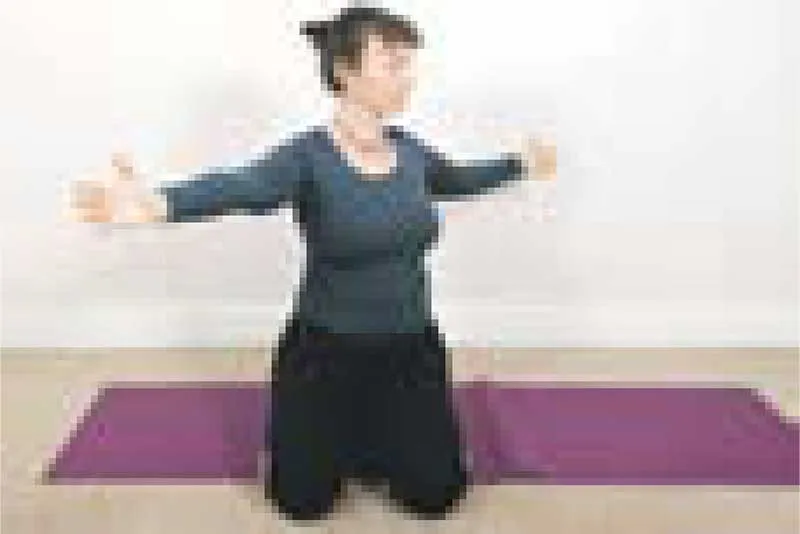
Breathe out – twist to the left.
Breathe in – back to centre.
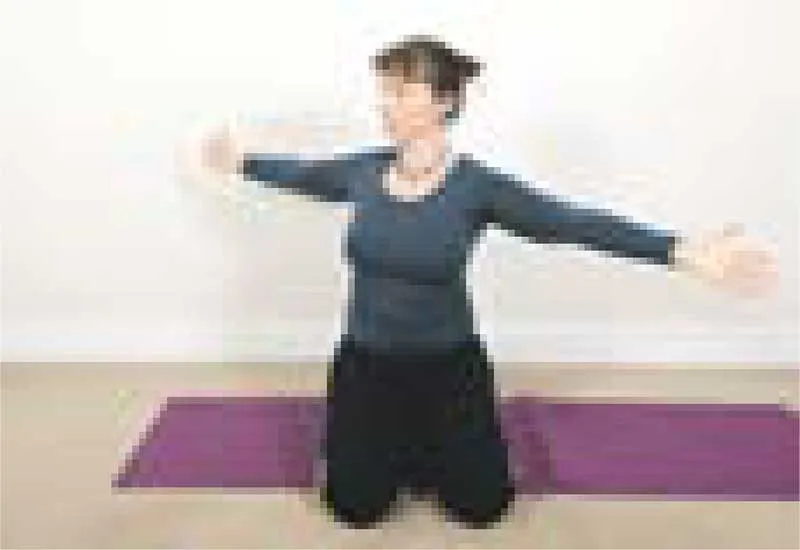
Breathe out – twist to the right.
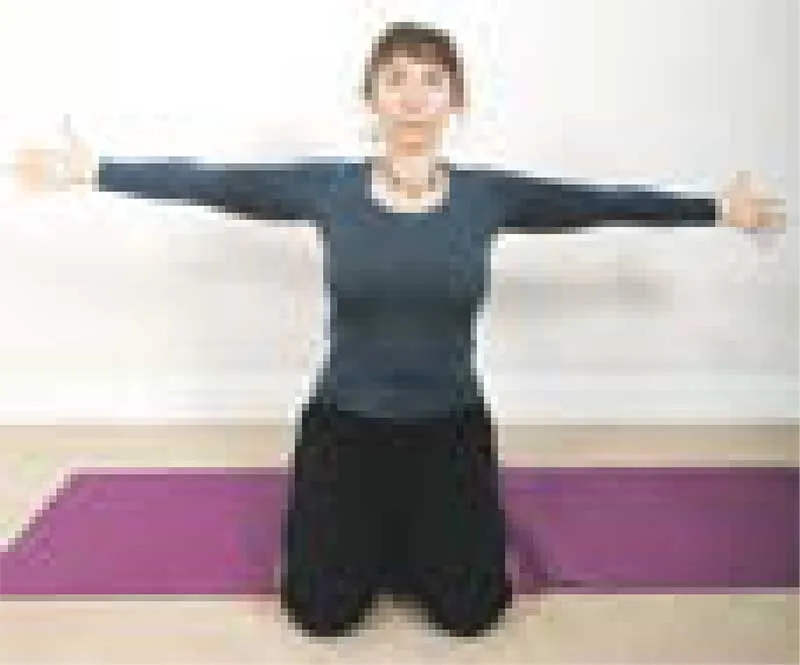
Breathe in – back to centre.
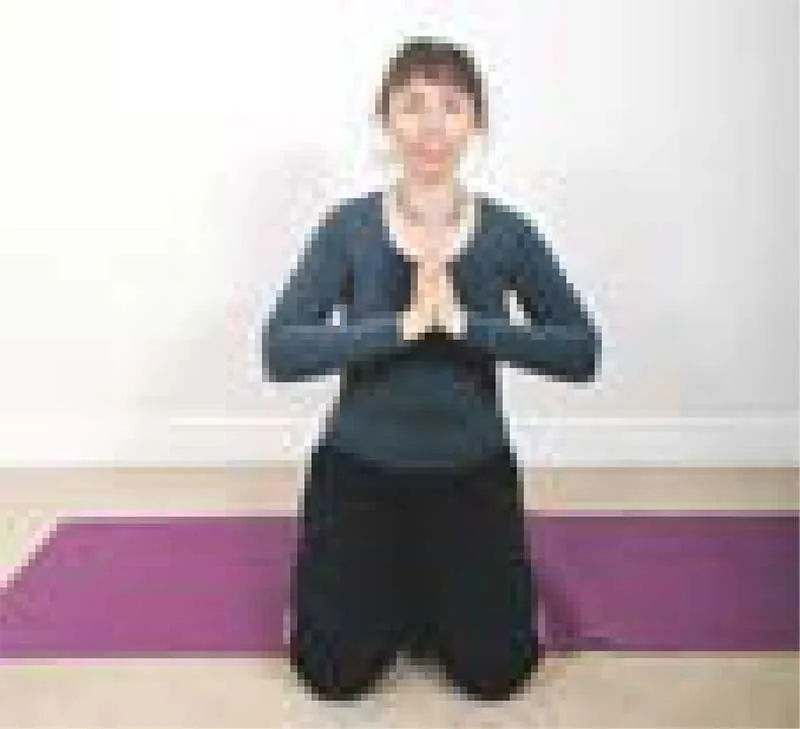
Breathe out – hands together at the chest.
Determined to make positive changes in life? It can start with digestion!
Stress is an unavoidable part of life, but within a prison environment it is often increased by uncertainty, loss of freedom, separation from loved ones, conflict, boredom, and concerns about the future.
Complete the entire circuit above, then repeat it a second time to hit the full rep count. Good luck!
There comes a moment in every person’s life when they are forced to face themselves. Not the version they show to others, but the deeper, more honest truth underneath.