Elections were held in more than 70 countries over the last year, with two billion people eligible to vote around the world.
These elections were held in countries home to more than half of the world’s entire population.
Historically, the party in power (the ‘incumbent’) has had an advantage going into an election. That all changed last year.
Due to high levels of inflation and widespread cost-of-living pressures brought on by the pandemic and several global conflicts, many voters went to the ballot box to express their frustrations, leading to difficulty for incumbents and traditional parties. For the first time since records began, in 2024 every single incumbent political party in a developed country lost vote share.

Germany
In one of the first major elections of 2025, Germany’s conservative opposition leader, Friedrich Merz, won a clear majority, with a significant swing against a centre-left alliance led by Chancellor Olaf Scholz.
The election also saw a large swing towards the right-wing anti-migration, anti-Islam AfD party, which won about one in five votes but will not be included in any coalition negotiations.

USA
The US Presidential Election was held in November last year, with conservative Republican Donald Trump defeating Democratic nominee and then vice president Kamala Harris, who had replaced President Joe Biden earlier in the race.
Trump received 312 electoral votes to Harris’s 226 and won 2.3 million more votes. He took all of the major swing states, including Nevada, the first time a Republican candidate has taken this state in two decades.
Trump was inaugurated as the 47th US President earlier this year, with J.D. Vance his Vice President.

United Kingdom
Opposition Labour Party leader Keir Starmer secured a landslide win over Conservative Party Prime Minister Rishi Sunak in the UK general election in July.
This brought to an end 14 years of Conservative Party rule in the UK. The Labour Party is on the centre-left of the political spectrum.
The Labour Party won 411 seats, compared to the Conservative’s 121 seats and the Liberal Democrats’ 72 seats.
France
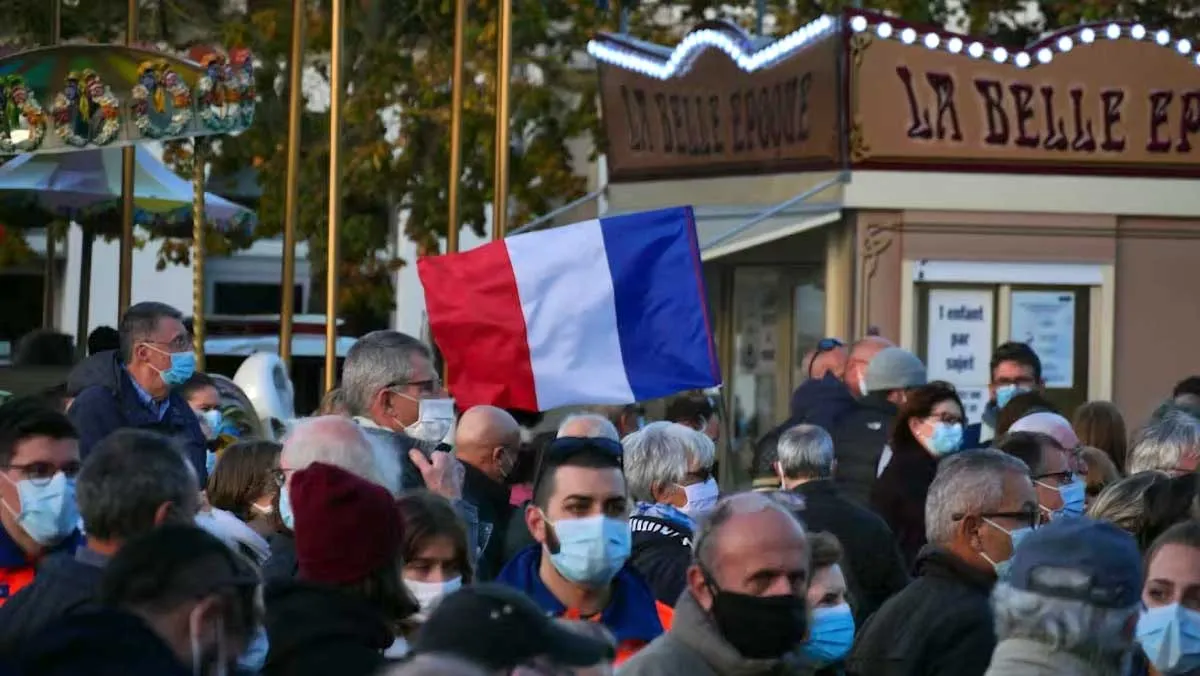
President Emmanuel Macron declared a snap election in France after the far-right-wing National Rally party made major gains. Macron leads the centre-right Renaissance party.
The first round of voting in the election saw National Rally leading the vote, while the second round led to a hung Parliament.
It wasn't until September last year that Michel Barnier from the liberal-conservative party The Republicans was appointed as Prime Minister, but, with no coalition backing him, a vote of no confidence brought down his government in December.
Francois Bayrou, a centrist and president of the Democratic Movement, was then appointed as Prime Minister.

Mexico
At the Mexico election in June, the ruling left-wing populist National Regeneration Movement’s Claudia Sheinbaum enjoyed a sweeping victory with nearly 60 per cent of the votes, making her the first female president in the country’s history.
The election campaign had been marred by a series of assassinations and targeted attacks on candidates and political figures.
The National Regeneration Movement received the highest number of votes ever recorded in Mexican history. Sheinbaum replaced outgoing president Andres Manuel Lopez Obrador.

Japan
Japan headed to the polls in late October, just one month after the conservative nationalist Liberal Democratic Party’s Shigeru Ishibu was appointed Prime Minister.
While the country’s main opposition party, the centre-left Constitutional Democratic Party, landed its best result in history and increased its seats in Parliament from 96 to 148, no party received enough votes to form a majority government.
Ishibu was eventually re-appointed as Prime Minister, leading a coalition government of the Liberal Democratic Party and centrist party Komeito.

Sri Lanka
The 2024 Sri Lanka election signalled a significant political alignment for the country and was the first time that a third-party candidate, Anura Kumara Dissanayake, was elected.
President Ranil Wickremesinghe ran for re-election as an independent in the three-way contest, with no candidate receiving enough votes to form a majority government.
Dissanayake was declared victorious on second preferences and was inaugurated as president in September.
Dissanayake is the leader of the National People’s Power, a centre-left political alliance in Sri Lanka.
South Africa
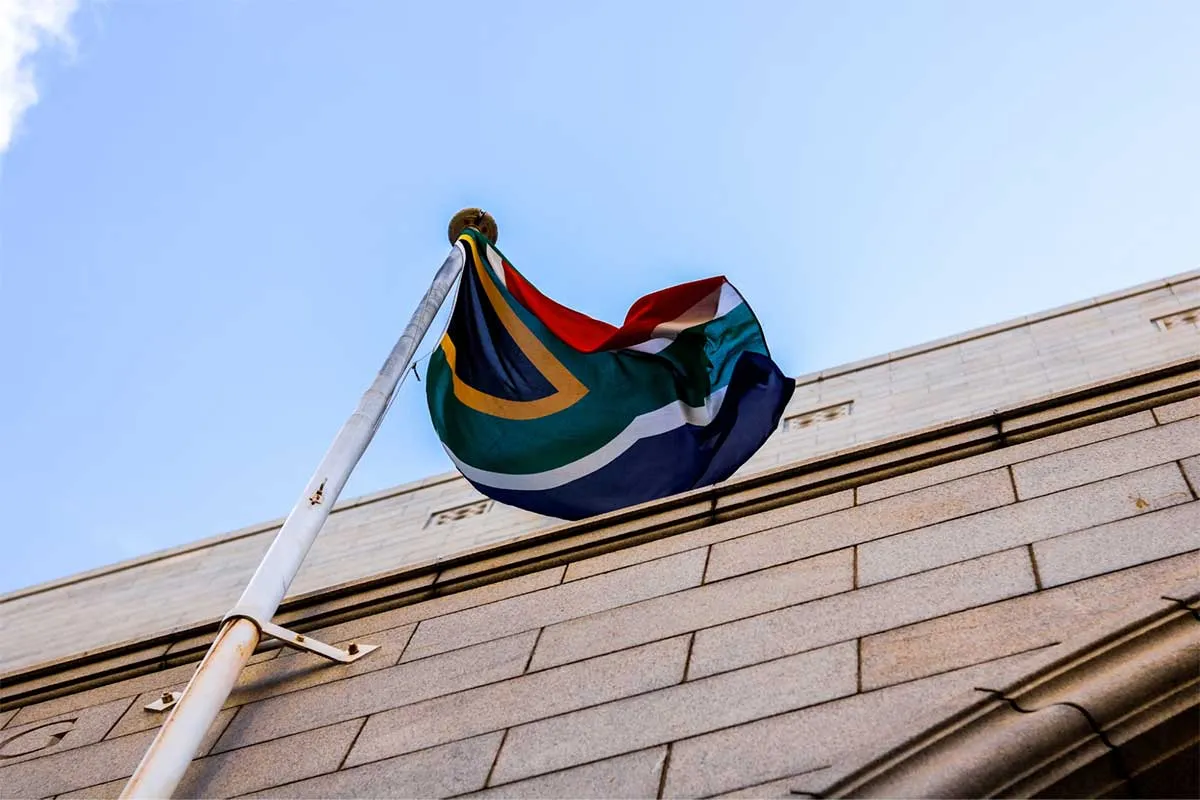
The South African election saw support for the ruling African National Congress decline. The party remained in government but lost its parliamentary majority, instead forming a unity government with the Inkatha Freedom Party and Patriotic Alliance, with Cyril Ramaphosa re-elected as president.

India
India’s election was held across seven phases from April to June 2024. Prime Minister Narendra Modi had been expected to win a landslide victory for his ruling Hindu nationalist party, Bharatiya Janata Party (BJP). Although BJP won the most seats, it won far fewer than expected, requiring Modi to form a coalition government for the first time, joining up with the Telugu Desam Party and Janata Dal as his main allies.
Indonesia
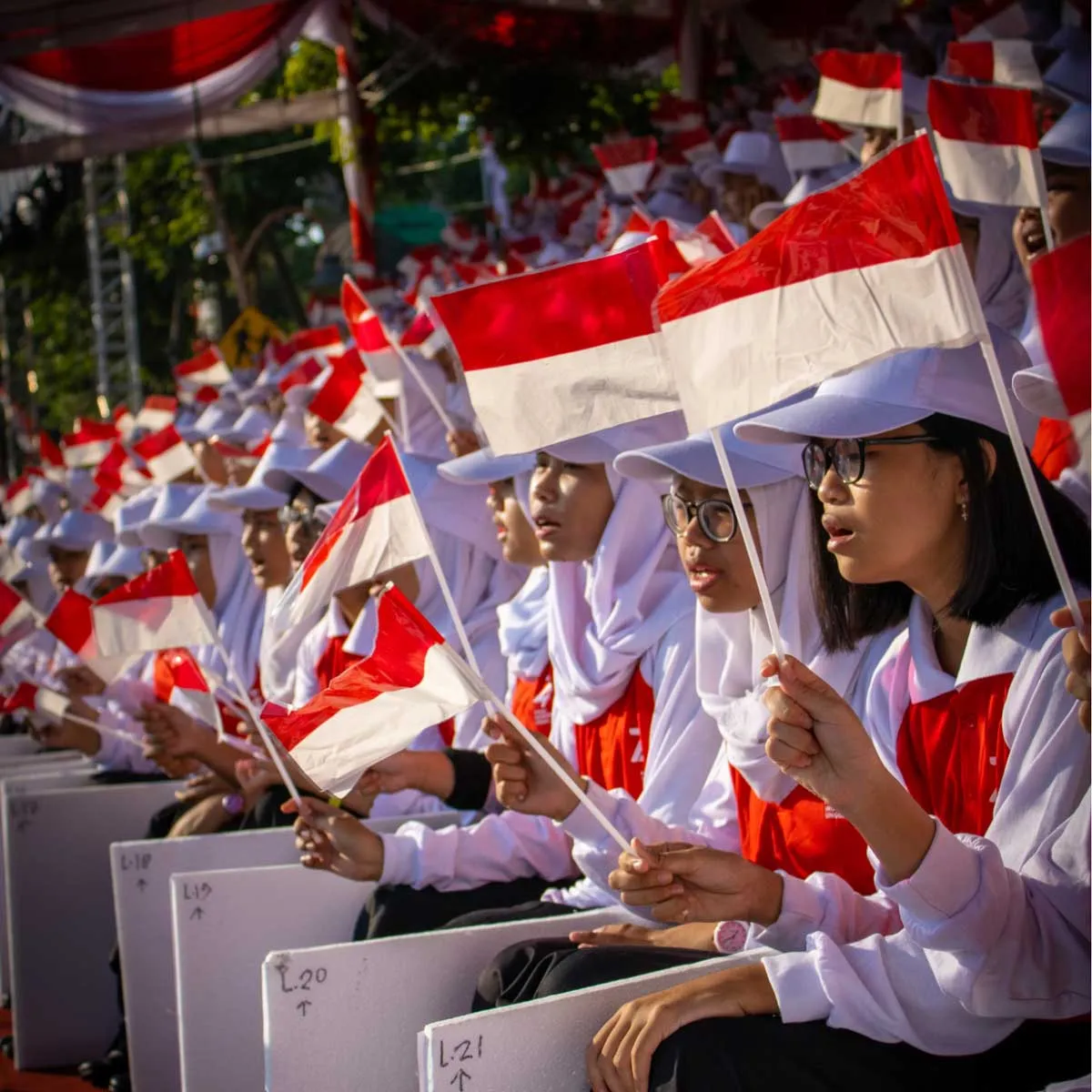
Retired army general Prabowo Subianto received a majority vote in the Indonesian election, with 96.2 million votes. This was the highest number of votes received by a candidate in any democratic election held in Indonesia.
Subianto had replaced incumbent president Joko Widodo, who was ineligible to run for another term in office.
Prabowo is a member of the Gerindra Party, a nationalist, right-wing populist party in Indonesia.
Japan
Japan headed to the polls in late October, just one month after the conservative nationalist Liberal Democratic Party’s Shigeru Ishibu was appointed Prime Minister.
While the country’s main opposition party, the centre-left Constitutional Democratic Party, landed its best result in history and increased its seats in Parliament from 96 to 148, no party received enough votes to form a majority government.
Ishibu was eventually re-appointed as Prime Minister, leading a coalition government of the Liberal Democratic Party and centrist party Komeito.
Sri Lanka
The 2024 Sri Lanka election signalled a significant political alignment for the country and was the first time that a third-party candidate, Anura Kumara Dissanayake, was elected.
President Ranil Wickremesinghe ran for re-election as an independent in the three-way contest, with no candidate receiving enough votes to form a majority government.
Dissanayake was declared victorious on second preferences and was inaugurated as president in September.
Dissanayake is the leader of the National People’s Power, a centre-left political alliance in Sri Lanka.
South Africa
The South African election saw support for the ruling African National Congress decline. The party remained in government but lost its parliamentary majority, instead forming a unity government with the Inkatha Freedom Party and Patriotic Alliance, with Cyril Ramaphosa re-elected as president.
India
India’s election was held across seven phases from April to June 2024. Prime Minister Narendra Modi had been expected to win a landslide victory for his ruling Hindu nationalist party, Bharatiya Janata Party (BJP). Although BJP won the most seats, it won far fewer than expected, requiring Modi to form a coalition government for the first time, joining up with the Telugu Desam Party and Janata Dal as his main allies.
Indonesia
Retired army general Prabowo Subianto received a majority vote in the Indonesian election, with 96.2 million votes. This was the highest number of votes received by a candidate in any democratic election held in Indonesia.
Subianto had replaced incumbent president Joko Widodo, who was ineligible to run for another term in office.
Prabowo is a member of the Gerindra Party, a nationalist, right-wing populist party in Indonesia.


