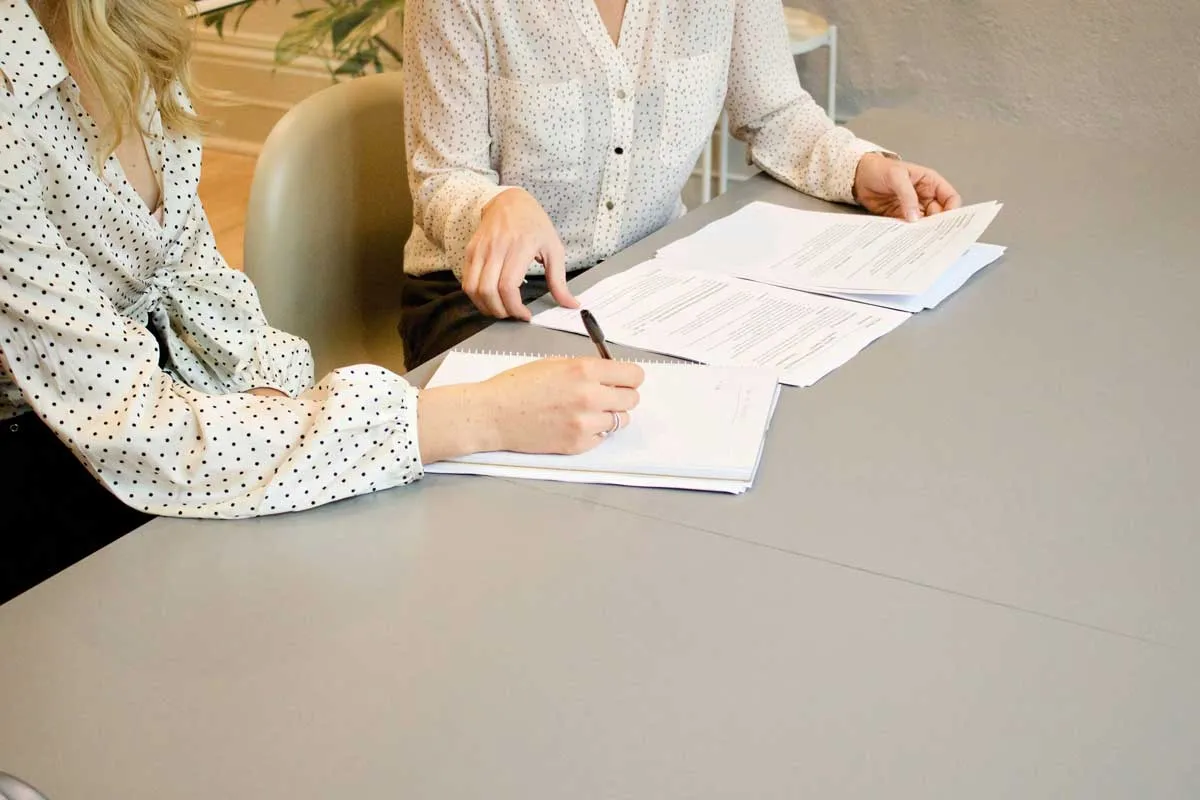
A new legal service is visiting Dillwynia and Silverwater prison each week to provide civil law advice and representation to women.
The Women’s Advocacy Service is a partnership between Legal Aid NSW and the Aboriginal Legal Service (NSW/ACT), providing face-to-face appointments with both a lawyer and a social worker. The service is free and confidential and allows for various issues to be addressed at once, hopefully ensuring that nothing falls through the cracks. Importantly, an Aboriginal social worker is part of the ALS team, creating a space that’s as culturally safe and supportive as possible.
The service was created following an inquiry into the offending of former corrections officer Wayne Astill at Dillwynia. The NSW Government investigated what happened and what can be done to prevent similar offending in the future. The inquiry found failures in the complaints system, including women not feeling safe or supported to speak up. One of the 31 recommendations was for an independent advocacy service to be established to support women to make complaints.
The service, however, is not only about complaints; it can help with a range of civil law matters. Civil means that lawyers cannot assist with criminal matters such as bail and parole but can help with issues such as housing, domestic violence, debts and fines, NDIS, child protection, family law, victim support and preparing for release. If the service cannot help with an issue, they will do their best to find a service that can. As civil law matters can be long, the service can also support people once they’re released into the community. It’s currently funded until June 2028.
A message the service hopes to convey to women inside is that it’s better to ask questions and seek legal advice earlier rather than later, even if there’s hesitation.
“Engaging with our service doesn’t mean that you need to take action,” Eleanor Holden, a lawyer with the ALS, shared. “It’s a space where you can confidentially share your issues or what’s going on and hear what your options might be. You don’t have to act, but, if you do, you’ll be adequately supported.”
The ALS told About Time that women have come to them with a variety of issues – some they’ve never disclosed before and others they didn’t realise were addressable. Women have been connected to services they didn’t know existed, such as the National Redress Scheme and other victim supports.
The importance of the service cannot be understated, with women flocking to receive support they might otherwise be unable to get. Jessica Schulman, a lawyer with Legal Aid, told About Time that around 200 women have used the service in less than four months. “Women have come to see us about one issue at first before returning to share other issues with us. Women are also referring their friends in custody who are unable for whatever reason to refer themselves.”
Alongside individual appointments, the service runs monthly “Legal Talks” on topics women care about, such as NDIS, housing and rights in custody. The service is taking suggestions, so make sure to reach out if there’s an area of law you want to learn more about!
If you are in Dillwynia or Silverwater and want to speak with the Women’s Advocacy Service, you can put in a referral form at either prison or call #12 for ALS or #2 for Legal Aid on the prison phone system.
Legal Aid is at Dillwynia on Tuesdays and at Silverwater on Fridays. The ALS is at Dillwynia on Thursdays and at Silverwater on Wednesdays. If women cannot attend due to work or other commitments, remote appointments can be made.
“Engaging with our service doesn’t mean that you need to take action,” Eleanor Holden, a lawyer with the ALS, shared. “It’s a space where you can confidentially share your issues or what’s going on and hear what your options might be. You don’t have to act, but, if you do, you’ll be adequately supported.”
The ALS told About Time that women have come to them with a variety of issues – some they’ve never disclosed before and others they didn’t realise were addressable. Women have been connected to services they didn’t know existed, such as the National Redress Scheme and other victim supports.
The importance of the service cannot be understated, with women flocking to receive support they might otherwise be unable to get. Jessica Schulman, a lawyer with Legal Aid, told About Time that around 200 women have used the service in less than four months. “Women have come to see us about one issue at first before returning to share other issues with us. Women are also referring their friends in custody who are unable for whatever reason to refer themselves.”
Alongside individual appointments, the service runs monthly “Legal Talks” on topics women care about, such as NDIS, housing and rights in custody. The service is taking suggestions, so make sure to reach out if there’s an area of law you want to learn more about!
If you are in Dillwynia or Silverwater and want to speak with the Women’s Advocacy Service, you can put in a referral form at either prison or call #12 for ALS or #2 for Legal Aid on the prison phone system.
Legal Aid is at Dillwynia on Tuesdays and at Silverwater on Fridays. The ALS is at Dillwynia on Thursdays and at Silverwater on Wednesdays. If women cannot attend due to work or other commitments, remote appointments can be made.


