Donate Here

QLD Moves to Restrict Voting Rights of People in Prison

Denham Sadler is the Chief Reporter at About Time.

Ike Curtis

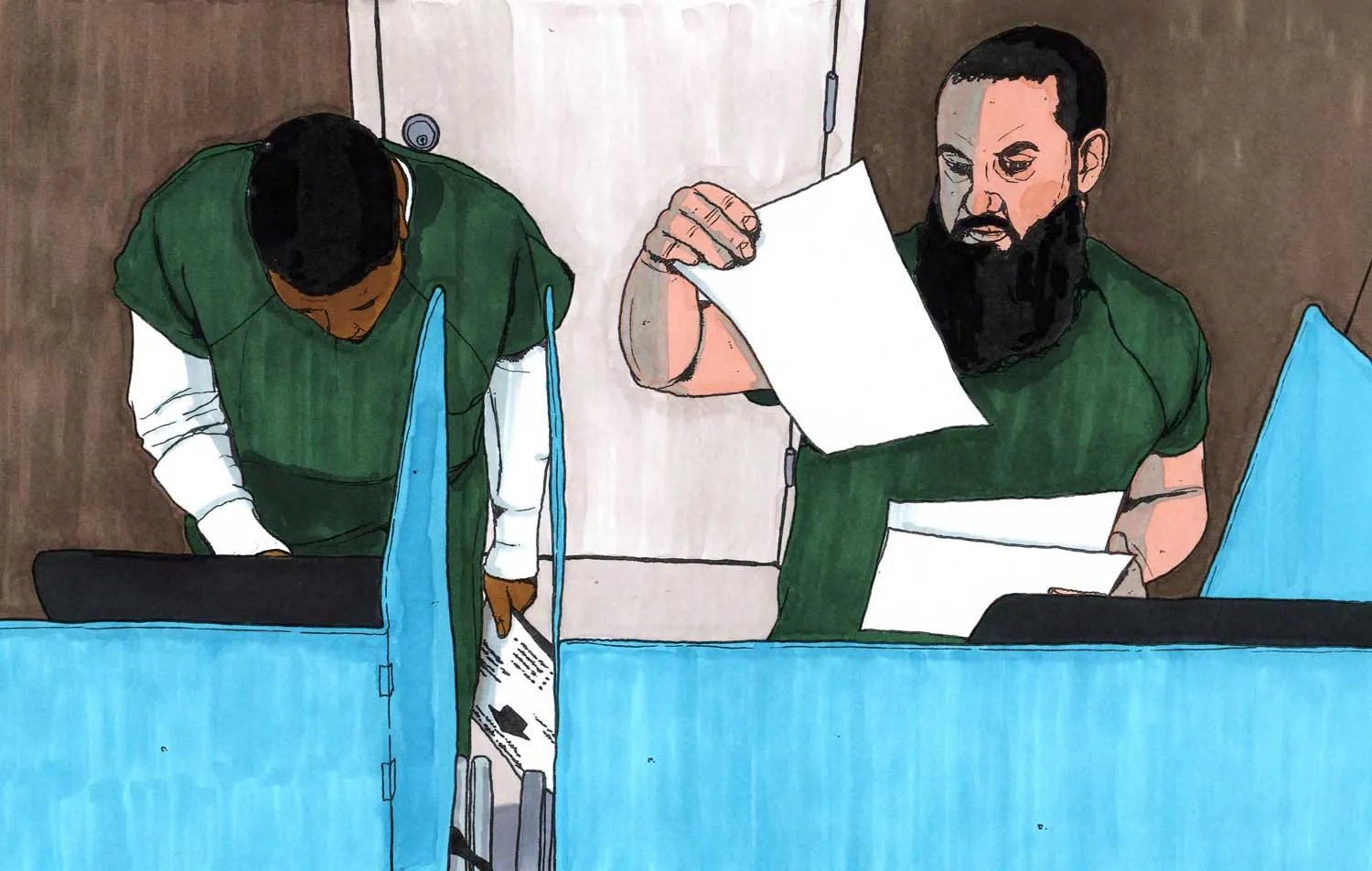
The Liberal Queensland government has announced plans to significantly limit the right to vote for people in prison.

Currently, people in prison serving a sentence of fewer than three years in the state can vote in state and local government elections, as well as federal elections.  This plan would restrict voting rights to only those serving a sentence of one year or less for state elections.

In a media release announcing the changes, the Queensland government said this would “restore fairness to electoral laws” and was about “putting victims first”.

The state Parliament is currently holding an inquiry into the legislation that would enact the restrictions.

In a submission to the inquiry, Project:herSELF, an organisation that works with women who have experienced incarceration, raised “significant concerns” with the reforms.

“Rather than restoring fairness, measures that narrow participation risk entrenching inequality and silencing the voices of people most affected by government policy, “ the submission said.

“We urge the committee to consider the real world impact of these reforms on people who are already underrepresented in our democratic system. Safeguarding democracy means safeguarding participation – especially for those whose voices are often unheard.”

The Australia Institute also pushed back on the changes in a submission to the state government.

“Prisoners are more exposed to the operation of the state government than almost anyone else in Queensland,” the submission said.

“In addition, those with less than four years left on their sentences will be re-joining the community during the term of the parliament. They should not have their voting rights further restricted.”

A spokesperson for Queensland Attorney-General and Minister for Justice Deb Frecklington said that the changes bring Queensland into line with arrangements in other states.

“Consistent with the Crisafulli Government’s commitment to put victims first, the changes recognise that people serving sentences for serious offences should not have a role in choosing lawmakers while they are in custody,” the spokesperson told About Time.

If passed by Parliament, this would place Queensland alongside New South Wales and Western Australia as the most restrictive jurisdictions when it comes to the right of people in prison to vote.

In Tasmania and the Northern Territory, those serving sentences of fewer than three years are eligible to vote in state and local elections, while this cap is set at five years in Victoria.

In South Australia and the ACT, there is no limitation at all.

The restrictions come in the same year that a record number of people in prison around the country voted in the May federal election, with over 9700 people in prison casting a vote, compared with just 274 in 2022.

In Queensland, Australian Electoral Commission data shows that just under 2000 people incarcerated in Queensland voted in the 2025 federal election, nearly 20 percent of the state’s prison population. 

This was thanks in part to, for the first time, mobile polling booths being placed in 82 of Australia’s 110 prisons, making voting more accessible.

The Liberal Queensland government has announced plans to significantly limit the right to vote for people in prison.

Currently, people in prison serving a sentence of fewer than three years in the state can vote in state and local government elections, as well as federal elections.  This plan would restrict voting rights to only those serving a sentence of one year or less for state elections.

In a media release announcing the changes, the Queensland government said this would “restore fairness to electoral laws” and was about “putting victims first”.

The state Parliament is currently holding an inquiry into the legislation that would enact the restrictions.

In a submission to the inquiry, Project:herSELF, an organisation that works with women who have experienced incarceration, raised “significant concerns” with the reforms.

“Rather than restoring fairness, measures that narrow participation risk entrenching inequality and silencing the voices of people most affected by government policy, “ the submission said.

“We urge the committee to consider the real world impact of these reforms on people who are already underrepresented in our democratic system. Safeguarding democracy means safeguarding participation – especially for those whose voices are often unheard.”

The Australia Institute also pushed back on the changes in a submission to the state government.

“Prisoners are more exposed to the operation of the state government than almost anyone else in Queensland,” the submission said.

“In addition, those with less than four years left on their sentences will be re-joining the community during the term of the parliament. They should not have their voting rights further restricted.”

A spokesperson for Queensland Attorney-General and Minister for Justice Deb Frecklington said that the changes bring Queensland into line with arrangements in other states.

“Consistent with the Crisafulli Government’s commitment to put victims first, the changes recognise that people serving sentences for serious offences should not have a role in choosing lawmakers while they are in custody,” the spokesperson told About Time.

If passed by Parliament, this would place Queensland alongside New South Wales and Western Australia as the most restrictive jurisdictions when it comes to the right of people in prison to vote.

In Tasmania and the Northern Territory, those serving sentences of fewer than three years are eligible to vote in state and local elections, while this cap is set at five years in Victoria.

In South Australia and the ACT, there is no limitation at all.

The restrictions come in the same year that a record number of people in prison around the country voted in the May federal election, with over 9700 people in prison casting a vote, compared with just 274 in 2022.

In Queensland, Australian Electoral Commission data shows that just under 2000 people incarcerated in Queensland voted in the 2025 federal election, nearly 20 percent of the state’s prison population. 

This was thanks in part to, for the first time, mobile polling booths being placed in 82 of Australia’s 110 prisons, making voting more accessible.

Court Chaos as Hearings Missed Due to Overcrowding

By Denham Sadler

Cells at the courts are so full that people can’t be taken there from prison to attend their hearings.

News and Investigations

NEWS

4 MIN READ

‘She Is Me’: Stories By Us, For Us

By Stacey Stokes and Tahlia Isaac

Project: herself is an organisation I set up to advocate and support women to have self-determined lives. We do that through a couple of things – including storytelling advocacy and frontline service delivery.

News and Investigations

ISSUE NO. 20

4 MIN READ

Around the Country – February 2026

By About Time

Including a death in custody at Acacia prison in WA, Victoria spending the most on youth detention, remand numbers skyrocketing in NSW and more.

News and Investigations

ISSUE NO. 20

10 MIN READ

Our Voices at the United Nations: A Joint Fight for Human Rights

By Sisters Inside, National Network of Incarcerated and Formerly Incarcerated Women and Girls, Scarlet Alliance and Asian Migrant Sex Worker Advisory Group

In July 2025, four organisations came together to make sure the truth about prisons, policing and criminalisation in Australia was heard on the world stage.

News and Investigations

ISSUE NO. 20

2 MIN READ

Welcome to About Time

About Time is the national newspaper for Australian prisons and detention facilities

Your browser window currently does not have enough height, or is zoomed in too far to view our website content correctly. Once the window reaches the minimum required height or zoom percentage, the content will display automatically.

Alternatively, you can learn more via the links below.

Donations via GiveNow

Email

Instagram

LinkedIn