
Port Phillip Prison will close at the end of next year as part of a growing move away from privately run prisons in Australia.
The Victorian government announced last month that the maximum security Port Phillip Prison in the state’s south-west, run by UK-based company G4S, and the minimum security Dhurringile Prison, in the state’s north, will shut.
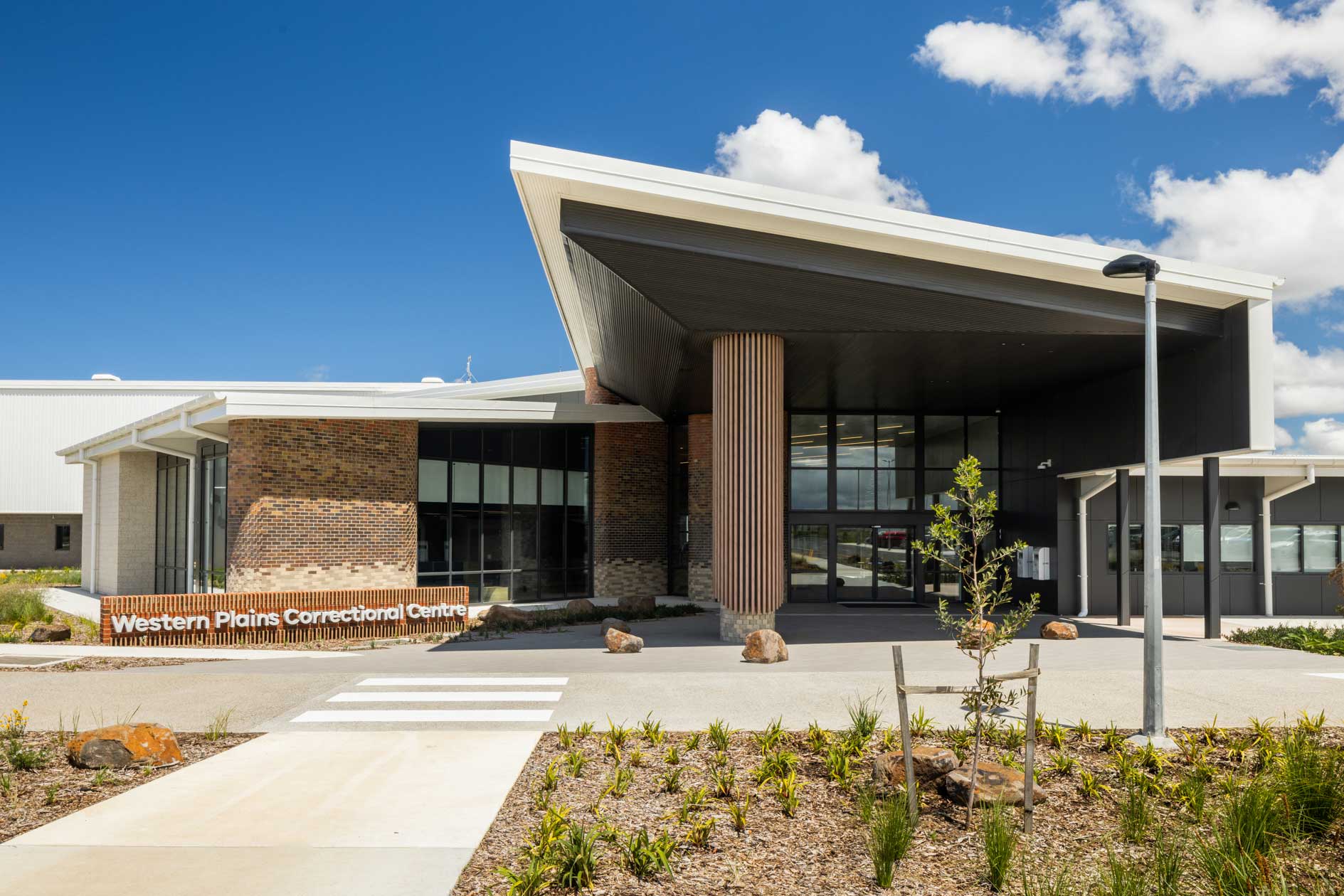
The new Western Plains Correctional Centre, built over recent years by the state government at a cost of more than $1 billion, will open next year to accommodate many people currently incarcerated at Port Phillip.
The announced closure of Port Phillip came days before the findings of a coronial inquest into the death of First Nations man Joshua Kerr at the prison in late 2021.
The Coroner found that Kerr’s death was preventable, and that his access to the medical treatment he needed was blocked by a “disproportionate focus on security concerns which obscured and hindered a clear and decisive assessment and management of his medical needs”.
The Coroner also found that a lack of communication between correctional and medical staff had been an ongoing issue at Port Phillip.
Days before these findings, the Victorian government confirmed the prison would be closed by the end of next year.
“We are delivering better facilities for people in custody, a safer working environment for our staff and a safer community for Victorians,” Corrections Minister Enver Erdogan said.
VACRO senior policy and advocacy advisor Abigail Lewis said the organisation would have chosen Port Phillip as the first prison to close in the state.
“It’s got a really terrible reputation among people incarcerated there and people who work there,” Lewis told About Time. “The infrastructure is ageing and from a reintegration perspective it’s a particularly difficult prison to reintegrate from. It’s a highly traumatic experience being incarcerated at Port Phillip.”
Four people have died in custody at Port Phillip Prison in the past year, according to Corrections Victoria.
The Victorian Aboriginal Legal Service (VALS) also referenced long-running concerns over conditions at Port Phillip.
“We have represented clients who have been cruelly detained in conditions of solitary confinement and have suffered abuse and neglect at Port Phillip Prison,” VALS principal managing lawyer Sarah Schwartz said.
“We hope this closure is a signal of the end of cruel and needless human rights abuses in Victoria’s prisons. Victoria needs to rid itself of global private prison conglomerates, who prioritise profits over care.”
The closure of Port Phillip has been possible because of a significant reduction in the number of people incarcerated in Victoria. At the end of May 2024, there were 5,970 people in prison, down from 6,456 people at the same time last year, and 6,633 in May 2022.
It’s the second announced closure of a major private prison in Australia in the past six months, with the tide now turning against the practice of outsourcing the operations of correctional facilities to private companies, typically multinationals based overseas.
This has been welcomed by Lewis, with the closing of private prisons one of VACRO’s main priorities.
“That’s because private prisons can operate as black boxes,” she said. “They don’t have the same accountability, transparency and information-sharing measures and the public and Parliament can’t hold them to the same standards as we can with prisons run by Corrections Victoria.
“We’re certainly going to continue to push for de-privatisation of the prison system, but it’s good to see Port Phillip is closing and G4S is out of the prison system.
“But a prison is a prison and they’re inherently punitive and extremely harmful but for transparency, information and accountability, it’s certainly preferable for prisons to be run by the government.”
At the end of last year, the New South Wales government announced it would be bringing the Junee Correctional Centre, run by US firm GEO Group, back into public hands, with the state also confirming a preference of ending all its contracts with private prison providers.
Queensland has recently brought its two privately run prisons into public hands, while Western Australia did the same for all but one of its own private facilities in early 2020.
Across Australia, about 20 per cent of all people in prison are incarcerated in privately run facilities (compared to 8 per cent in the US).
It’s far higher in Victoria, where about 40 per cent of people in prison are housed in privately run centres. The closure of Port Phillip will bring this down significantly to about 25 per cent, but still higher than the national percentage.
By the start of 2026 there will still be six private prisons in Australia, with two remaining in Victoria – Fulham and Ravenhall, the Clarence Correctional Centre in New South Wales, Mount Gambier Prison in South Australia, Parklea in NSW and Acacia Prison in Western Australia.
The closure of Port Phillip has been possible because of a significant reduction in the number of people incarcerated in Victoria. At the end of May 2024, there were 5,970 people in prison, down from 6,456 people at the same time last year, and 6,633 in May 2022.
It’s the second announced closure of a major private prison in Australia in the past six months, with the tide now turning against the practice of outsourcing the operations of correctional facilities to private companies, typically multinationals based overseas.
This has been welcomed by Lewis, with the closing of private prisons one of VACRO’s main priorities.
“That’s because private prisons can operate as black boxes,” she said. “They don’t have the same accountability, transparency and information-sharing measures and the public and Parliament can’t hold them to the same standards as we can with prisons run by Corrections Victoria.
“We’re certainly going to continue to push for de-privatisation of the prison system, but it’s good to see Port Phillip is closing and G4S is out of the prison system.
“But a prison is a prison and they’re inherently punitive and extremely harmful but for transparency, information and accountability, it’s certainly preferable for prisons to be run by the government.”
At the end of last year, the New South Wales government announced it would be bringing the Junee Correctional Centre, run by US firm GEO Group, back into public hands, with the state also confirming a preference of ending all its contracts with private prison providers.
Queensland has recently brought its two privately run prisons into public hands, while Western Australia did the same for all but one of its own private facilities in early 2020.
Across Australia, about 20 per cent of all people in prison are incarcerated in privately run facilities (compared to 8 per cent in the US).
It’s far higher in Victoria, where about 40 per cent of people in prison are housed in privately run centres. The closure of Port Phillip will bring this down significantly to about 25 per cent, but still higher than the national percentage.
By the start of 2026 there will still be six private prisons in Australia, with two remaining in Victoria – Fulham and Ravenhall, the Clarence Correctional Centre in New South Wales, Mount Gambier Prison in South Australia, Parklea in NSW and Acacia Prison in Western Australia.


