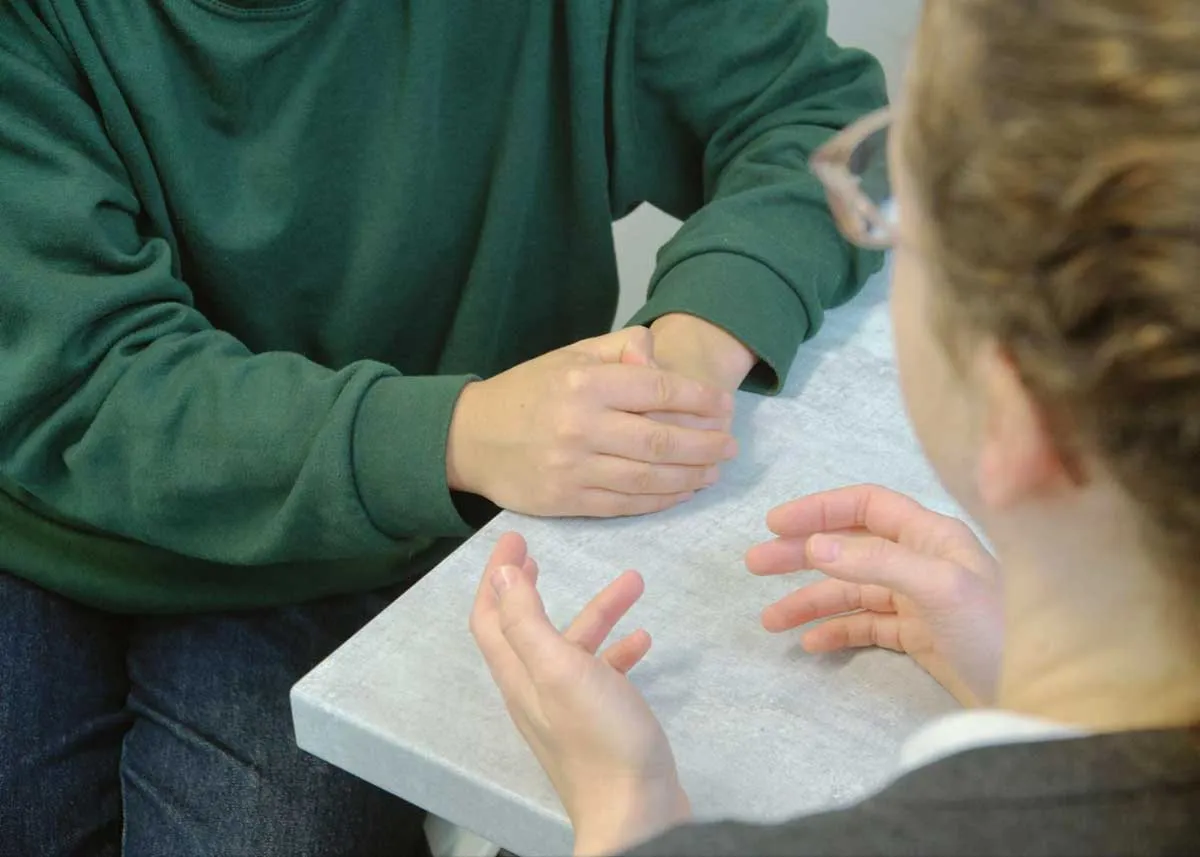
I’ve been thinking a lot about what it means to grow old, especially for those behind bars. It’s a reality we often overlook, but the prison population is aging, and with that comes a growing need for something we all deserve: compassionate care at the end of life. This isn’t just about medical treatment; it’s about basic human dignity. Let’s explore the challenges and how we can do better.
The quiet crisis
Imagine growing old in a prison cell. The walls close in, not just physically but emotionally. You’re surrounded by concrete and steel, far from family and familiar comforts. Now imagine facing a serious illness on top of that. It’s a stark picture, isn’t it? But it’s the reality for a growing number of incarcerated people. We’re seeing more older prisoners because of longer sentences, stricter laws and simply because our overall population is aging. These individuals often have complex health needs: heart disease, bad arthritis, cancer, emphysema, dementia – all the things that become more common as we get older. Providing good end-of-life care isn’t just a medical necessity; it’s a moral one. It’s about recognising the humanity in everyone, regardless of their past. We all deserve compassion, especially when we’re most vulnerable.
Walls within walls
The challenges of providing decent end-of-life care in prisons are immense. It’s like building walls within walls.
The Mindset
Prison culture often prioritises security above all else. While people need to be kept safe, healthcare can sometimes take a backseat. Staff might be uncomfortable with death and dying, or they might mistakenly believe incarcerated people are faking illness to manipulate the system. This can create a barrier to getting them the care they need. And, let’s be honest, some incarcerated people have a deep distrust of authority, including medical staff, which makes building a trusting relationship crucial but difficult. And guards are there to “guard”, not to act like nurses.
The System
Prisons often struggle with limited resources. There are often not enough doctors and nurses, nor any specialised staff trained in palliative care. Getting access to specialists, pain medication or even a comfortable bed can be a bureaucratic nightmare. The physical environment itself can be a challenge – think bunk beds, narrow hallways and a lack of accessible facilities for those with mobility issues.
The Human Element
The social and emotional needs of people dying in prison are often overlooked. Many have strained or broken ties with family, making visits and support difficult. Imagine facing your final days alone, surrounded by strangers. It’s heartbreaking.
And then there are the ethical dilemmas. How do you respect an incarcerated person’s wishes about their end-of-life care in a system built on control? How do you navigate compassionate release programs, which can be complicated and difficult to access? We can’t forget the cultural piece either. Incarcerated Aboriginal and Torres Strait Islander people, for example, may have unique cultural beliefs about death and dying that need to be respected and integrated into their care.
Building bridges
But here’s the thing: we can do better. We must do better. Here are some ways to build bridges over these walls.
Education is Key:
Comprehensive education for prison staff on palliative care, communication and cultural sensitivity is essential. We need to equip prison staff with the skills and knowledge to recognise when an incarcerated person needs referral to nursing and medical care. I suspect that most prison officers don’t want to provide hands-on care. It’s not their job. But, perhaps, we can identify and support those staff members who have a passion for this work – they can be champions for change and good
role models.
Invest in Care
We need to advocate for more funding and staffing for prison healthcare systems. Dedicated palliative care teams, with specialized training, are crucial, as are linkages to local hospitals and general practitioners.
Rethink the Rules
Security protocols need to be reviewed to ensure they don’t unnecessarily interfere with quality care. Clear policies and procedures for end-of-life care, medication access, advance directives and compassionate release programs are essential. Regular reviews of deaths in custody, with input from both prison and health staff, can help identify areas for improvement.
Tracking Progress
We need to track data on incarcerated people receiving palliative care. This helps us understand the quality of care being provided and where the gaps are. Of course, we need to do this while respecting privacy.
Working Together
Partnerships are vital. Collaborating with outside palliative care providers, community organisations and Aboriginal and Torres Strait Islander communities can bring in much-needed expertise and resources. Online learning and professional networks can also support prison staff in identifying incarcerated people with unmet healthcare needs.
Speaking Up: We need to talk openly about the ethical implications of denying compassionate end-of-life care to people in prison. We need to advocate for policy changes that prioritise dignity and compassion for everyone, regardless of their circumstances or their past criminal behaviours.
A final thought
Providing compassionate end-of-life care in prisons isn’t just about ticking boxes or following procedures; it’s about recognising the shared humanity that connects us all. It’s about offering comfort, dignity and respect to those who are facing their final chapter, even when they’re behind bars. It’s about acknowledging that everyone deserves a peaceful and dignified death, no matter what they’ve done.
It’s a challenging task, but it’s one that’s worth fighting for. Because how we treat the most vulnerable among us says something about who we are
as a society.
The System
Prisons often struggle with limited resources. There are often not enough doctors and nurses, nor any specialised staff trained in palliative care. Getting access to specialists, pain medication or even a comfortable bed can be a bureaucratic nightmare. The physical environment itself can be a challenge – think bunk beds, narrow hallways and a lack of accessible facilities for those with mobility issues.
The Human Element
The social and emotional needs of people dying in prison are often overlooked. Many have strained or broken ties with family, making visits and support difficult. Imagine facing your final days alone, surrounded by strangers. It’s heartbreaking.
And then there are the ethical dilemmas. How do you respect an incarcerated person’s wishes about their end-of-life care in a system built on control? How do you navigate compassionate release programs, which can be complicated and difficult to access? We can’t forget the cultural piece either. Incarcerated Aboriginal and Torres Strait Islander people, for example, may have unique cultural beliefs about death and dying that need to be respected and integrated into their care.
Building bridges
But here’s the thing: we can do better. We must do better. Here are some ways to build bridges over these walls.
Education is Key:
Comprehensive education for prison staff on palliative care, communication and cultural sensitivity is essential. We need to equip prison staff with the skills and knowledge to recognise when an incarcerated person needs referral to nursing and medical care. I suspect that most prison officers don’t want to provide hands-on care. It’s not their job. But, perhaps, we can identify and support those staff members who have a passion for this work – they can be champions for change and good
role models.
Invest in Care
We need to advocate for more funding and staffing for prison healthcare systems. Dedicated palliative care teams, with specialized training, are crucial, as are linkages to local hospitals and general practitioners.
Rethink the Rules
Security protocols need to be reviewed to ensure they don’t unnecessarily interfere with quality care. Clear policies and procedures for end-of-life care, medication access, advance directives and compassionate release programs are essential. Regular reviews of deaths in custody, with input from both prison and health staff, can help identify areas for improvement.
Tracking Progress
We need to track data on incarcerated people receiving palliative care. This helps us understand the quality of care being provided and where the gaps are. Of course, we need to do this while respecting privacy.
Working Together
Partnerships are vital. Collaborating with outside palliative care providers, community organisations and Aboriginal and Torres Strait Islander communities can bring in much-needed expertise and resources. Online learning and professional networks can also support prison staff in identifying incarcerated people with unmet healthcare needs.
Speaking Up: We need to talk openly about the ethical implications of denying compassionate end-of-life care to people in prison. We need to advocate for policy changes that prioritise dignity and compassion for everyone, regardless of their circumstances or their past criminal behaviours.
A final thought
Providing compassionate end-of-life care in prisons isn’t just about ticking boxes or following procedures; it’s about recognising the shared humanity that connects us all. It’s about offering comfort, dignity and respect to those who are facing their final chapter, even when they’re behind bars. It’s about acknowledging that everyone deserves a peaceful and dignified death, no matter what they’ve done.
It’s a challenging task, but it’s one that’s worth fighting for. Because how we treat the most vulnerable among us says something about who we are
as a society.


