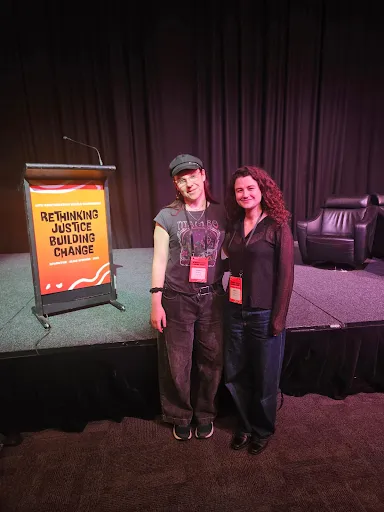
In June, people from across the country gathered in Mparntwe (Alice Springs) for the 18th Reintegration Puzzle Conference — an annual event for those working in justice reform and those with lived experience of prison and reintegration.
The conference brought together First Nations leaders, community workers, researchers, service providers — and most importantly — people who have done time in prison.
The conference was held in the shadow of the recent death in custody of Kumanjari White, a 24-year old Yuendumu man who passed away after being restrained by police in an Alice Springs supermarket. It was also held in the context of tough on crime policies, including lowering the age of criminal responsibility in the NT, restricting bail laws in Victoria, and "Adult Crime, Adult Time" policies in Queensland.
While it is true that "we are up against it", these tragic and preventable situations also provided a rage and urgency that encouraged a more serious conversation. It was also a reminder that to challenge counterproductive tough on crime policies, people with shared values need to work together to push the alternatives and collectively change hearts and minds.
About Time Was There - and We're Reporting Back
About Time attended the conference and sat in on various sessions and panels. We went to make sure that people on the inside don’t miss out on the conversations. The conference covered everything from post-release housing options and culturally-led rehabilitation programs to improving risk assessments and the role of peer workers with lived experience.
Over the coming editions, About Time will be sharing what we heard directly with people in prison. This includes printing summaries of talks and stories, interviews with speakers and analysis of key ideas. We know that if we are serious about reintegration, people inside have to be an active part of the conversation - not just talked about, but also hear and contribute to the conversation.
'Healing the Spirit': Centring Aboriginal Voices and Communities
A key theme of the conference was the need to shift away from punishment and control and towards self-determination and solidarity. This includes pushing back against the demonisation of young people in politics and in the media, and standing up against the manufactured crime crises across various jurisdictions.
Crucially however, it called for a renewed reckoning with the rate of incarceration of Aboriginal and Torres Strait Islander people — especially children. The program included a wealth of Aboriginal leaders, including a panel of state and territory Commissioners for Children and Young people, on how governments are failing children and what to do about it.
Catherine Liddle, CEO of SNAICC, also spoke powerfully about the harms of criminalising children and the urgent need to invest in culturally safe, community-led supports instead. The talk ended in a standing ovation and tears from the audience.


