About Time is the national newspaper for Australian prisons and detention facilities
Your browser window currently does not have enough height, or is zoomed in too far to view our website content correctly. Once the window reaches the minimum required height or zoom percentage, the content will display automatically.
Alternatively, you can learn more via the links below.
The Prison Phoenix Trust is a UK based charity providing prisoners with yoga and meditation classes, individual mentoring, peer-support and specialist educational resources accessible to a wide range of learning abilities.
Trouble sleeping is incredibly common, both in prison and on the outside, and can be frustrating and miserable. Luckily, there are steps you can take to help your self drop off. One of the things that people most often say after starting yoga and meditation is that their sleep has improved. Try this routine just before you go to sleep. You may be able to do most of it on your bed. Keep your attention on your breath as you move through these postures and movements. Let us know if they help!
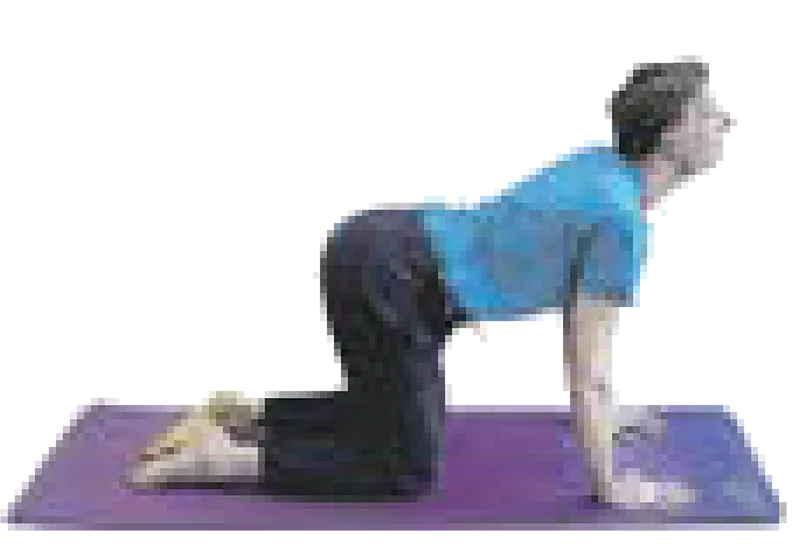
Happy cat
Breathe in.
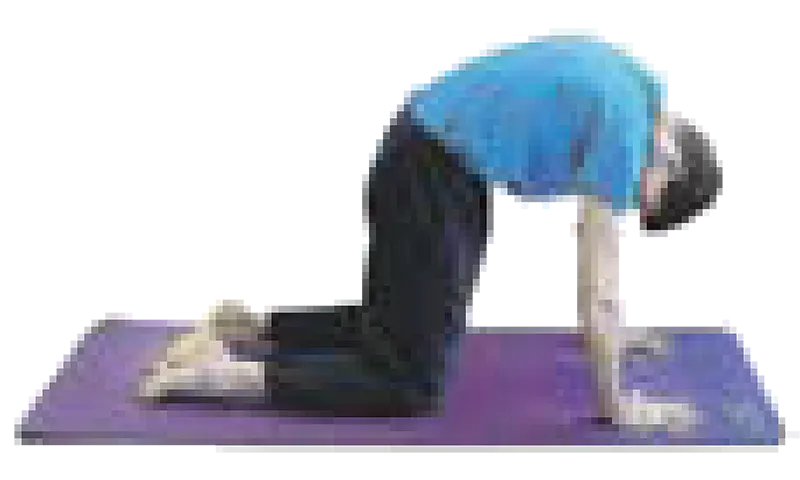
Angry cat
Breathe out. Move between these two postures in time with your breath. Repeat 10 times.
Rest pose
Stay for 5 breaths, or longer if you like.
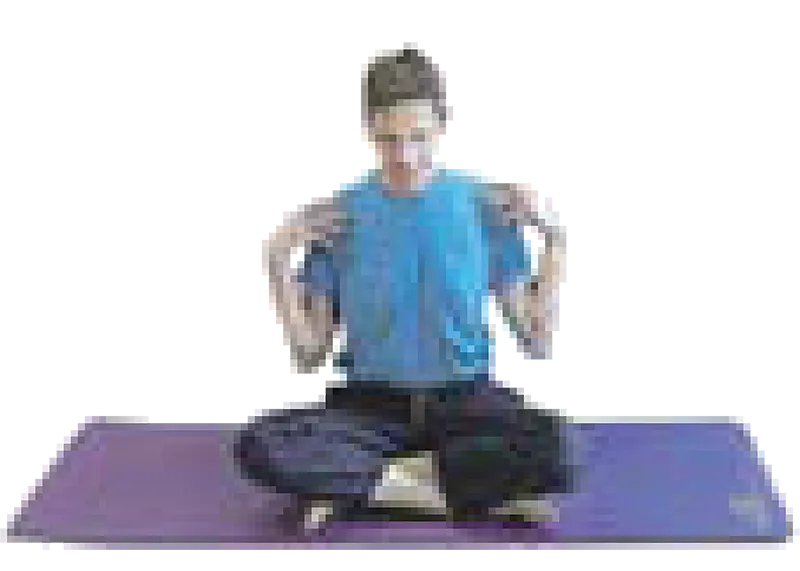
Shoulder circles
Breathe in as you move your elbows forward and up, and out as you move them down and back. Moving slowly and smoothly, do this 10 times. Repeat in the other direction.
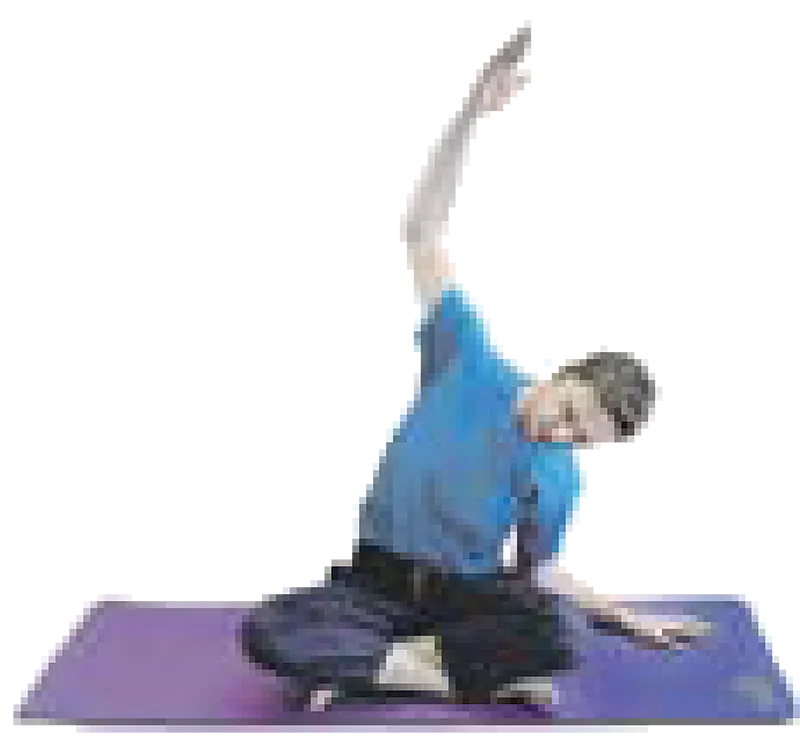
Cross-legged side bends
5 breaths each side. Feel the stretch along your side.
Cross-legged forward bend
Lean forward over your crossed legs as far as is comfortable. Stay for 5 slow breaths. Cross your legs the other way and repeat.
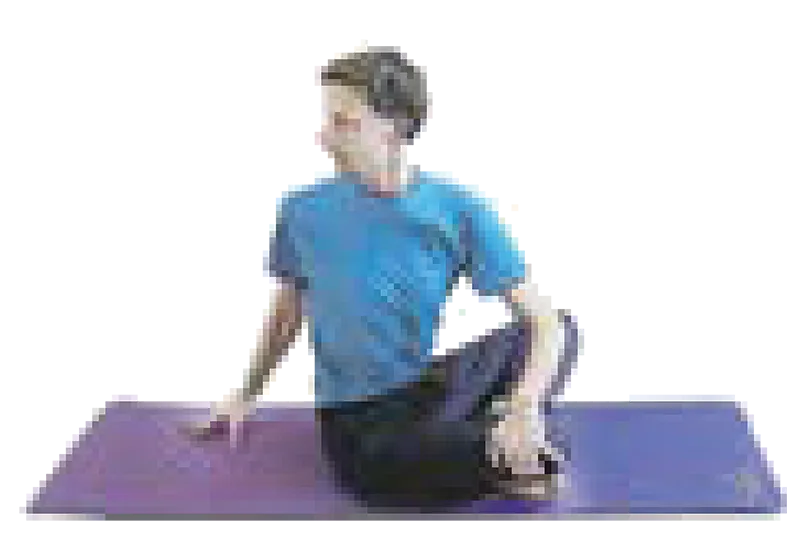
Cross-legged twist
5 breaths each side.
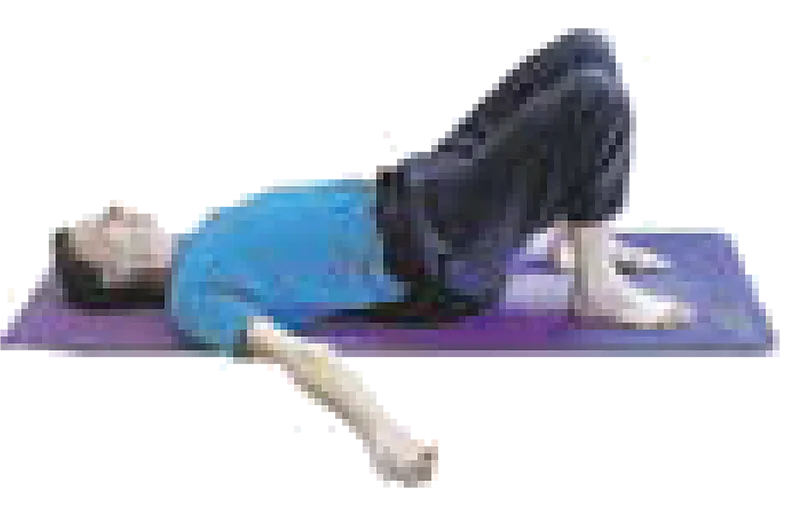
Supported bridge
Lie like this with a pillow or some rolled-up blankets or jumpers under your hips. Relax for 10 slow breaths.
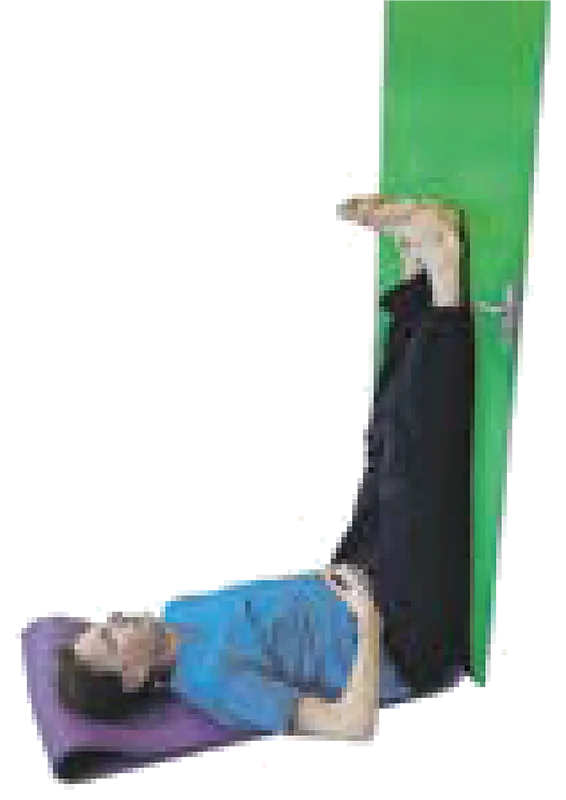
Legs up the wall
Find a wall you can lie in front of. Get as close to the wall as possible, then put your legs up it, lying back. Stay in this for 30 breaths or longer if you like.
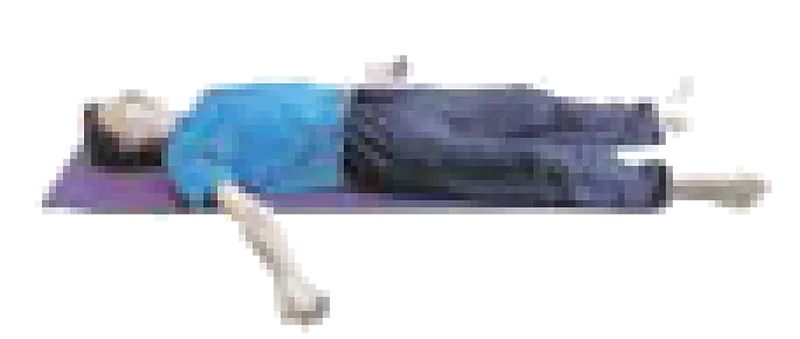
... and now for sleep!
Lie on your bed like this, or with your hands on your belly, and bring attention to your breathing. Count your breaths as they flow in and out of you. When you get to 10 breaths, start again from 1. If you get distracted or lose count, bring your attention back to the breath and start again from 1. Do this for 5 minutes or until you fall asleep.
This breath counting is an effective way of helping you relax and fall asleep, rather than being kept awake by repetitive or worrying thoughts. Even if this doesn’t work, remember that you are still resting and nourish-ing your body and your mind, even though you are awake.
Tips
Modify or miss out postures that may cause injury or pain.
Notice your natural steady breath.
Try to move with it as you flow with the poses.
Between movement come back to the feeling of your body.
See if you can be curious about your experience without judging it good or bad.
Stress is an unavoidable part of life, but within a prison environment it is often increased by uncertainty, loss of freedom, separation from loved ones, conflict, boredom, and concerns about the future.
There comes a moment in every person’s life when they are forced to face themselves. Not the version they show to others, but the deeper, more honest truth underneath.
ISSUE NO. 25
•
3 MIN READ
+
Get All the Latest News From About Time in Your Inbox
Be the first to read each edition online and receive two newsletters each month filled with news stories, experiences, creativity and the voices of people in prison around the country.
X
X
You've successfully registered!
Something went wrong when we tried to register your details. Please try again.