Why Do I Feel Lonely When I’m Surrounded by People?
Understanding the reasons for loneliness, with a bonus on how to journal effectively

Ethan Cassidy


Your browser window currently does not have enough height, or is zoomed in too far to view our website content correctly. Once the window reaches the minimum required height or zoom percentage, the content will display automatically.
Alternatively, you can learn more via the links below.
Loneliness is a pervasive, all-encompassing state comprised of many unpleasant and distressing feelings. It is distinct from being alone, or from being socially isolated. Loneliness is often linked with feelings of shame and depression, stemming from a deep sense of dissatisfaction with our current state of being.
The factors that underpin a state of loneliness are our values, interests and levels of felt connection. This is where loneliness differs from social isolation. Loneliness can be defined as a feeling of distress resulting from a lack of meaningful connection to others, coupled with a desire for more satisfying relationships.
The core point here is that loneliness is defined by both the absence of and desire for meaningful connections. This type of connection typically involves the ability to confide in others, to feel a sense of belonging and to feel supported by those we love. When we lack these connections in life, we can find ourselves feeling as though we don’t matter, as though there is nothing worthwhile in our lives.
It is possible to feel loneliness even in a place as crowded as prison. If the people around you don’t make you feel seen, it can lead to feelings of disconnection and isolation. A core feature of what makes us human is our desire to belong. We are inherently pack animals, meant to exist alongside others that “get” us. The sense of belonging that comes with feeling seen, warts and all, is a powerful sensation. It can pull us away from distressing thoughts and can protect us from feeling lost in this world.
When we are surrounded by other people that share our values, ideals and goals, we feel that we can connect with them. We feel supported and loved and most importantly, we feel like we belong. I often work with people that are desperate to find this sense of belonging. It can lead to risky connections with seemingly like-minded people, that ultimately develop into problematic relationships.
Sometimes, we sacrifice our values in order to feel like we belong. Maybe we don’t stand up for something that we believe in, or we go along with what everyone else wants to do instead of speaking up about what we want. We might still have friends, but we are not likely to feel that those friends truly see us for who we are.
Imagine keeping a secret from someone – it makes you second guess everything you say to them, makes you hide away parts of yourself. This fundamentally limits your ability to connect with the other person. Now imagine that the secret you are keeping is something integral to who you are as a person. There is no way that you can fully be present and connected with another if this was the case. When this happens in our social networks, we are limited in the amount of satisfaction we can feel in a relationship, and this can lead to feelings of loneliness.
Loneliness is not necessarily an emotion in and of itself, rather, it is a collection of unpleasant emotional experiences that relate to the same core issue – a lack of belonging. Some of the emotions that underpin loneliness are sadness, shame, anxiety and frustration. In order to address feelings of loneliness, we must first understand the emotions that it triggers for us as individuals. You may not realise that loneliness is the core theme of these collective emotional states, it may seem that they are unrelated until you closely examine them.
Journalling is a powerful tool in understanding what it is that is triggering unpleasant emotions. Try to use these while reflecting on the broader issues you are experiencing in your life, rather than focusing on a specific issue or relationship. You may start the journalling process thinking about a particular person that has upset you, or about a situation that has caused distress. Once you have outlined what the situation is and what it made you feel, try to reflect on the broader patterns that you can identify within that issue that are reflected in other areas of your life.
Here is an example of a journal entry that illustrates this process:
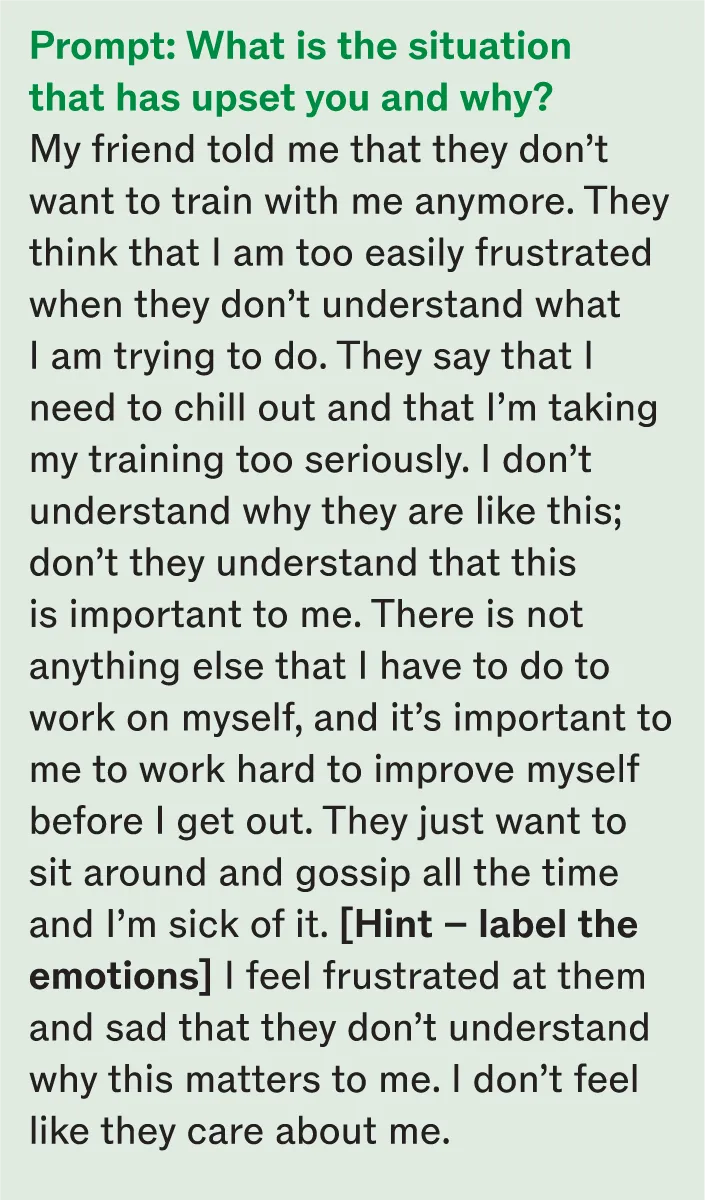
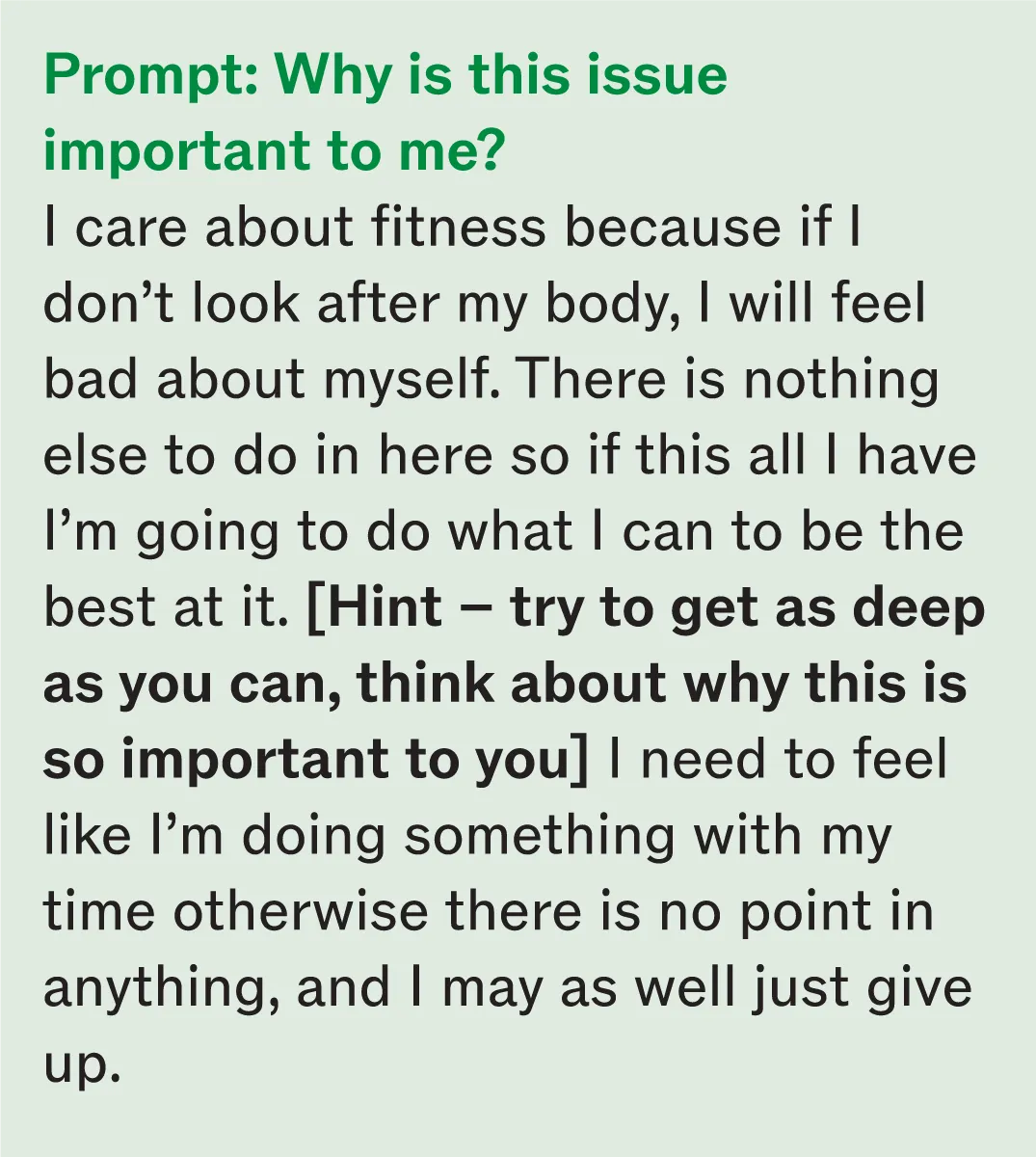

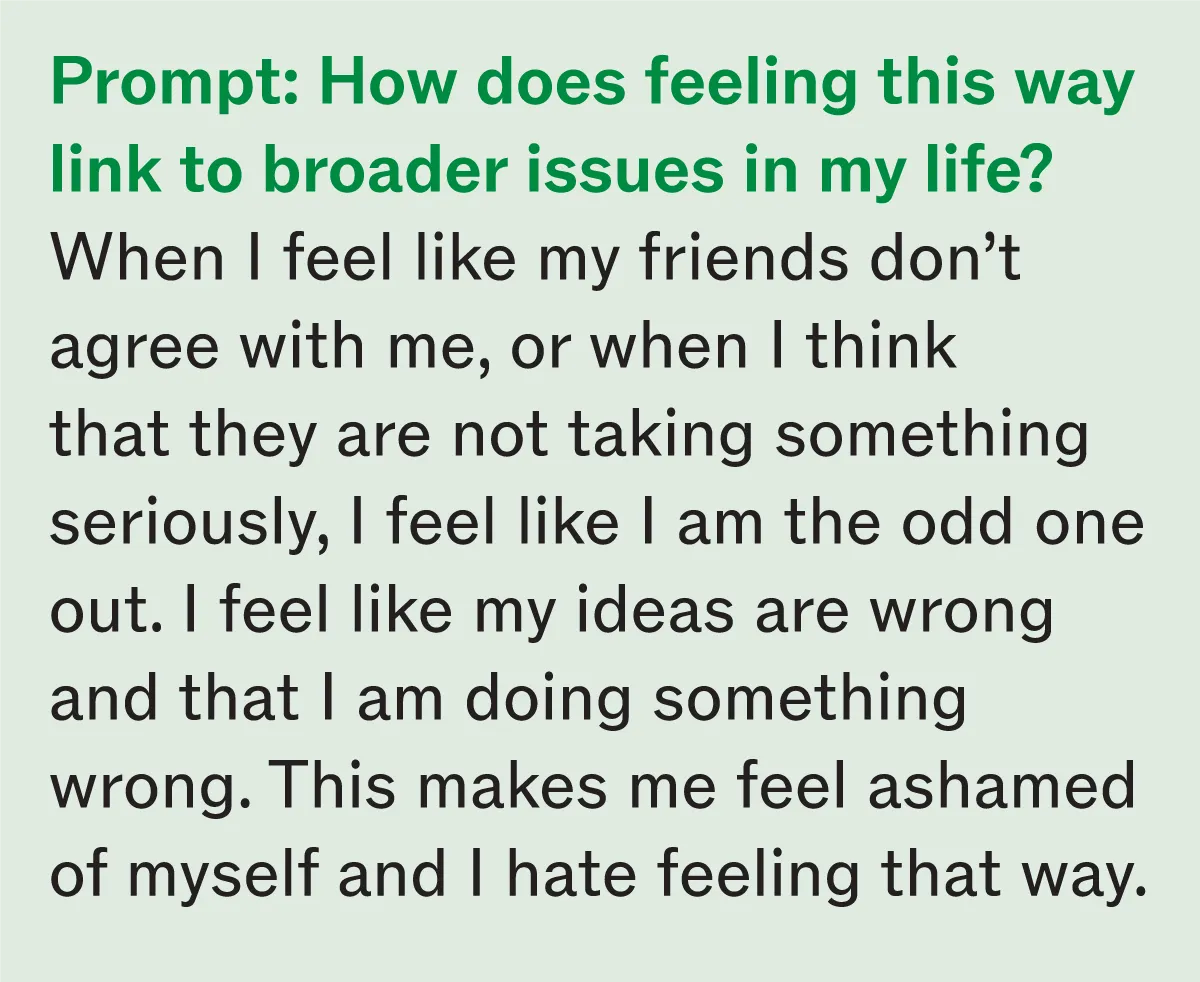
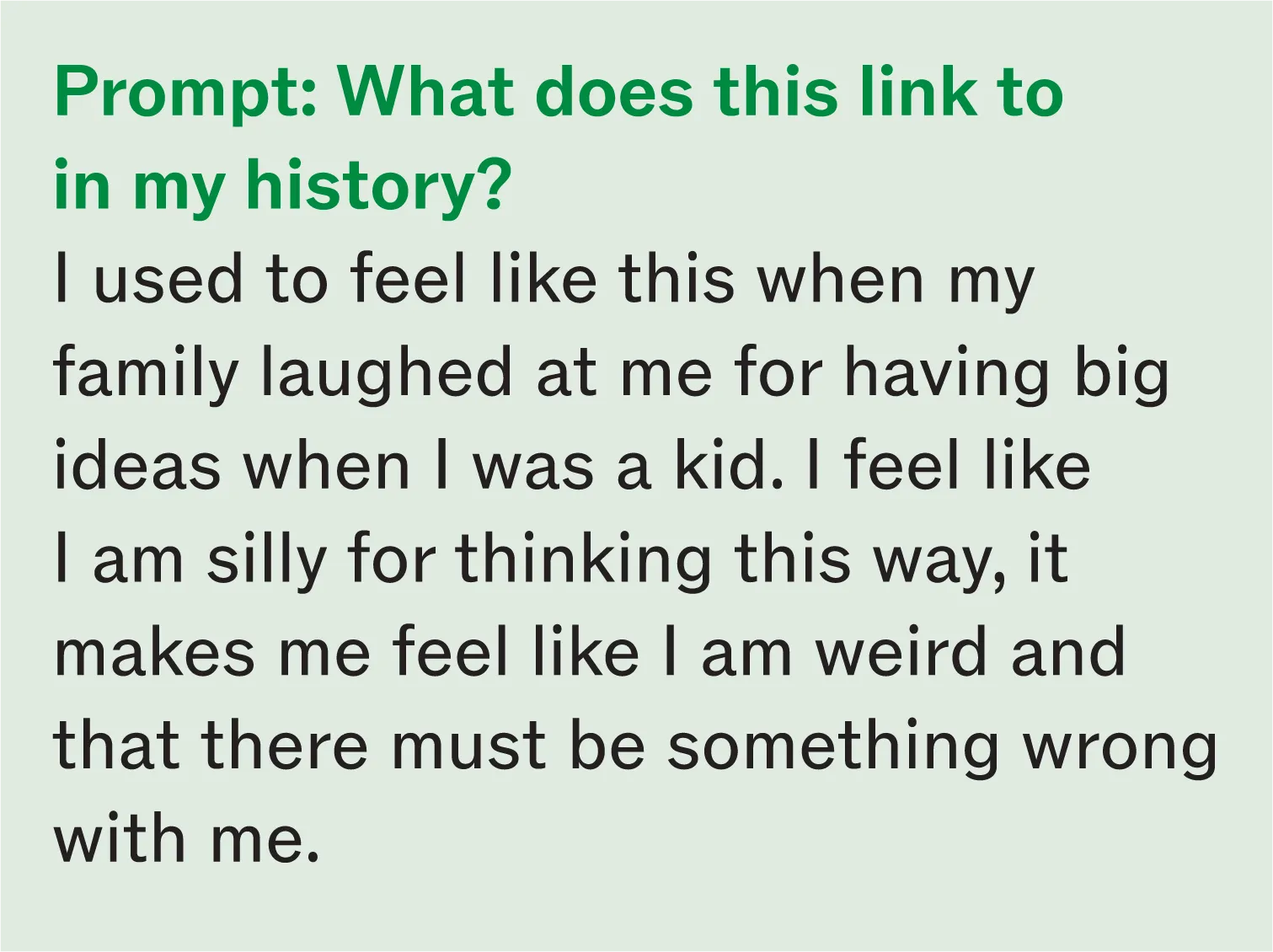
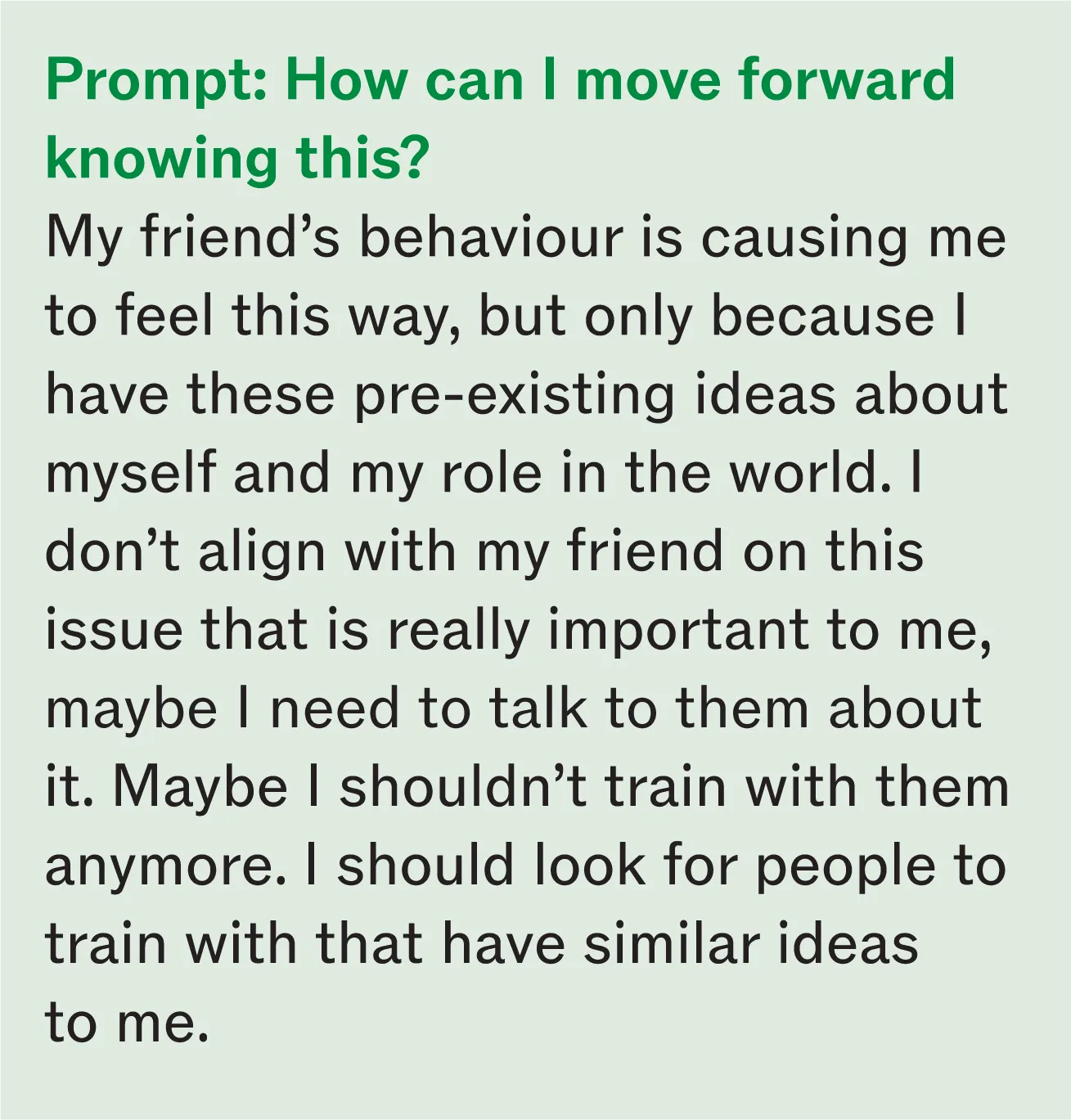
Once you have done this process of journalling, it is clear that you have a fundamental values misalignment that is probably making you feel loneliness because you don’t feel seen by the people that matter to you. This doesn’t mean that you should ditch that friend, but it does mean that you need to address the issue with them. It can also highlight the area of need in your life where it might be helpful to find new friends that align more with your values.
Determined to make positive changes in life? It can start with digestion!
Stress is an unavoidable part of life, but within a prison environment it is often increased by uncertainty, loss of freedom, separation from loved ones, conflict, boredom, and concerns about the future.
Complete the entire circuit above, then repeat it a second time to hit the full rep count. Good luck!
There comes a moment in every person’s life when they are forced to face themselves. Not the version they show to others, but the deeper, more honest truth underneath.