Slow Down to Grow...
The benefits of slow tempo exercise
From Inside Time


Your browser window currently does not have enough height, or is zoomed in too far to view our website content correctly. Once the window reaches the minimum required height or zoom percentage, the content will display automatically.
Alternatively, you can learn more via the links below.
Building muscle isn’t just about lifting the heaviest weights. In fact, incorporating slow-tempo exercises into your routine can offer surprising benefits for muscle growth. Here’s how:
Slowing down your reps, particularly during the lowering (eccentric) phase, keeps your muscles under tension for a longer duration. This increased 'time under tension' is a key factor in stimulating muscle growth.
Focusing on slow, controlled movements forces you to connect more deeply with the target muscle. This heightened awareness allows for better form and ensures you’re working the intended muscle group effectively.
Fast, jerky movements can put stress on your joints. Slowing down your reps allows for better control, minimizing the risk of injury and allowing you to train more consistently.
Aim for a controlled 3 – 4 seconds for the lifting (concentric) phase and 4 – 6 seconds for the lowering (eccentric) phase of each rep.
You might need to use a lighter weight compared to your usual routine to maintain proper form during slow reps.
While slow training offers advantages, don’t completely eliminate faster tempos from your program. Varying your rep speed keeps your workouts challenging and can target different aspects of muscle development.
Slow and steady wins the race! By incorporating slow tempo exercises into your routine, you can increase muscle tension, improve your mind-muscle connection, and reduce your risk of injury, all of which contribute to building bigger and stronger muscles.
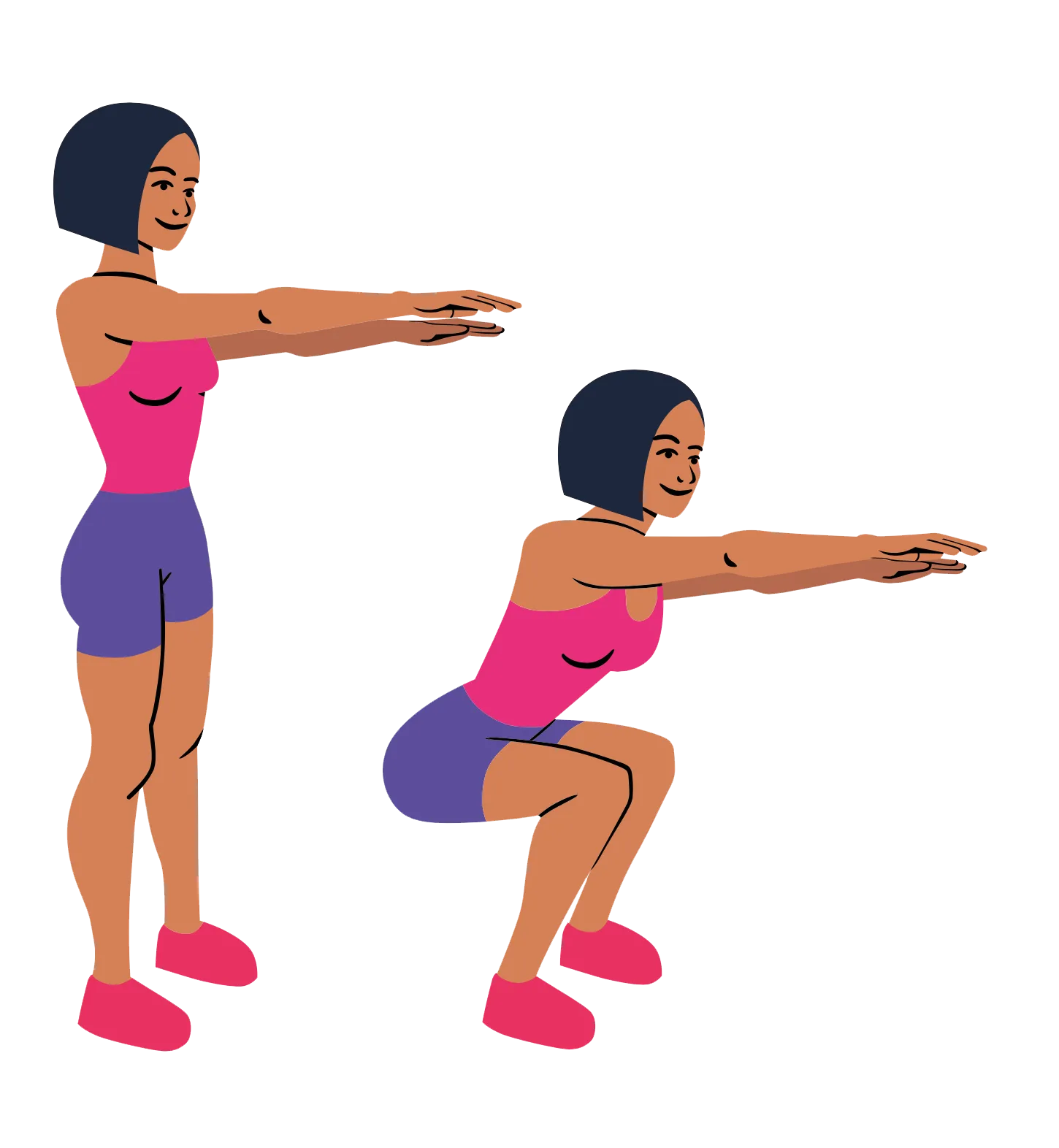
Take the feet wide so that when you perform your squat, your knees push over your big toe.
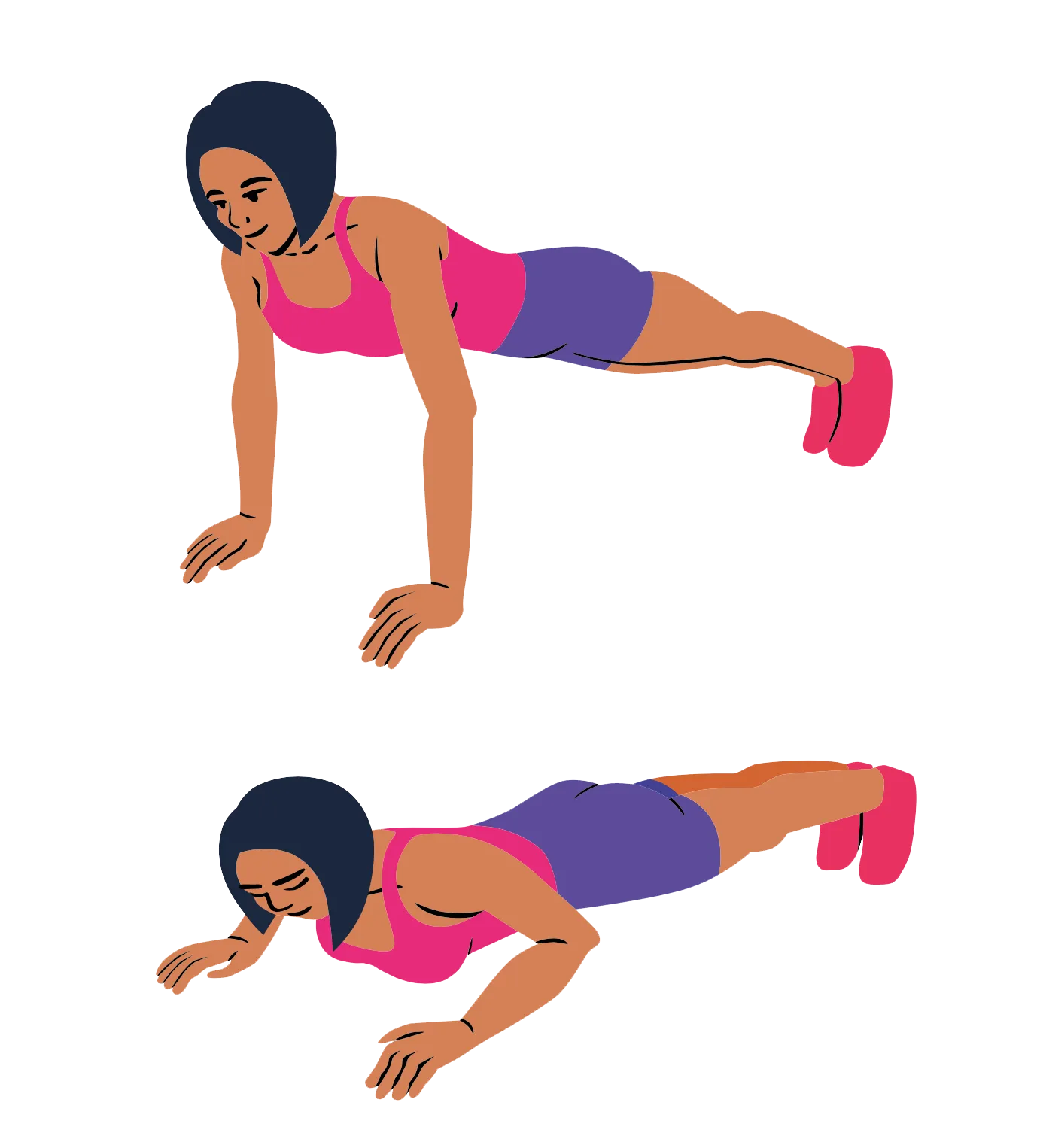
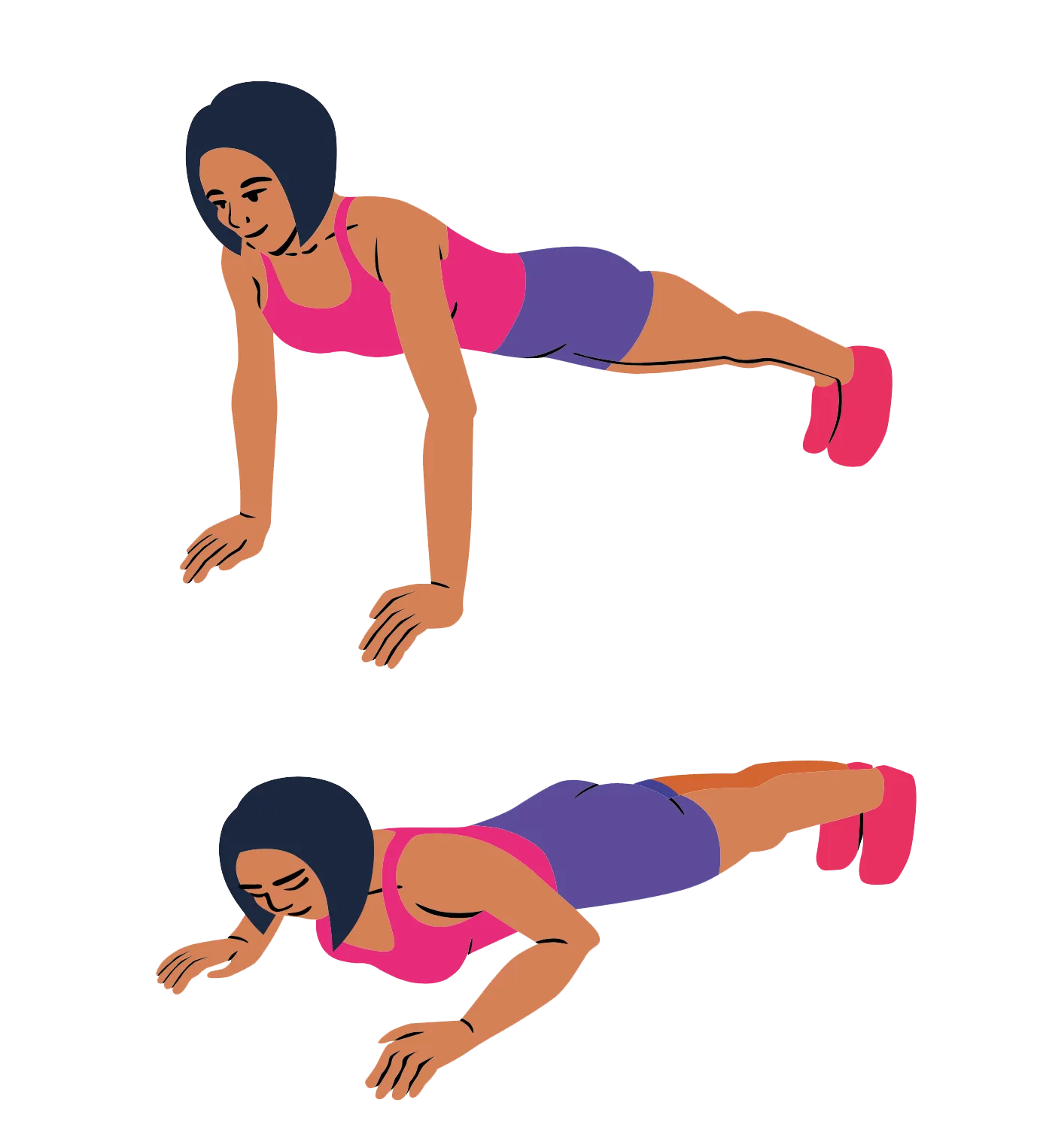
On the toes if you can, drop your knees down, keep your toes on the floor. Bring your chest down to your elbow crease.
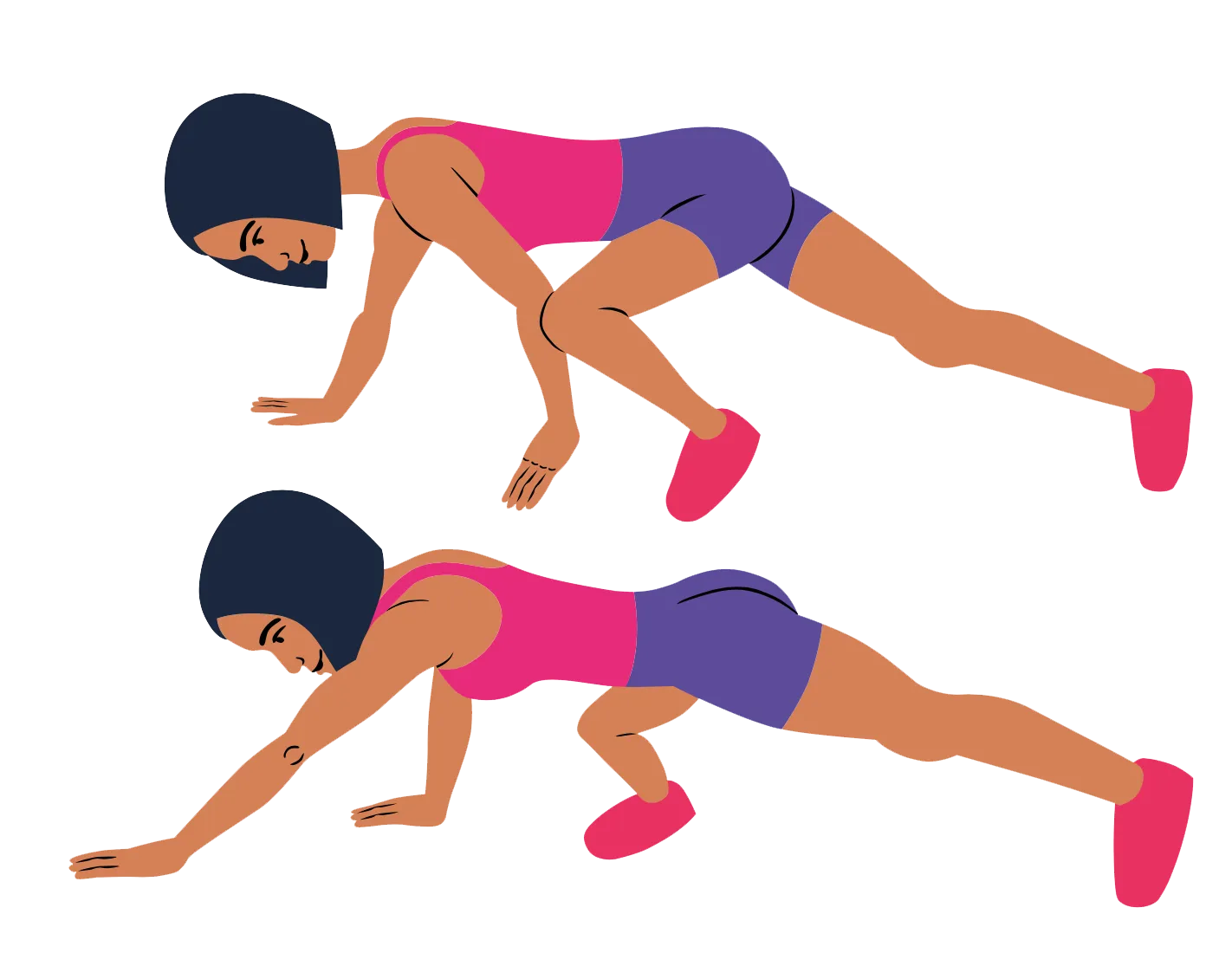
Starting on your hands and knees, rise up onto the toes, tighten the core, and slowly reach forward with the right arm and right knee, followed by the left side.
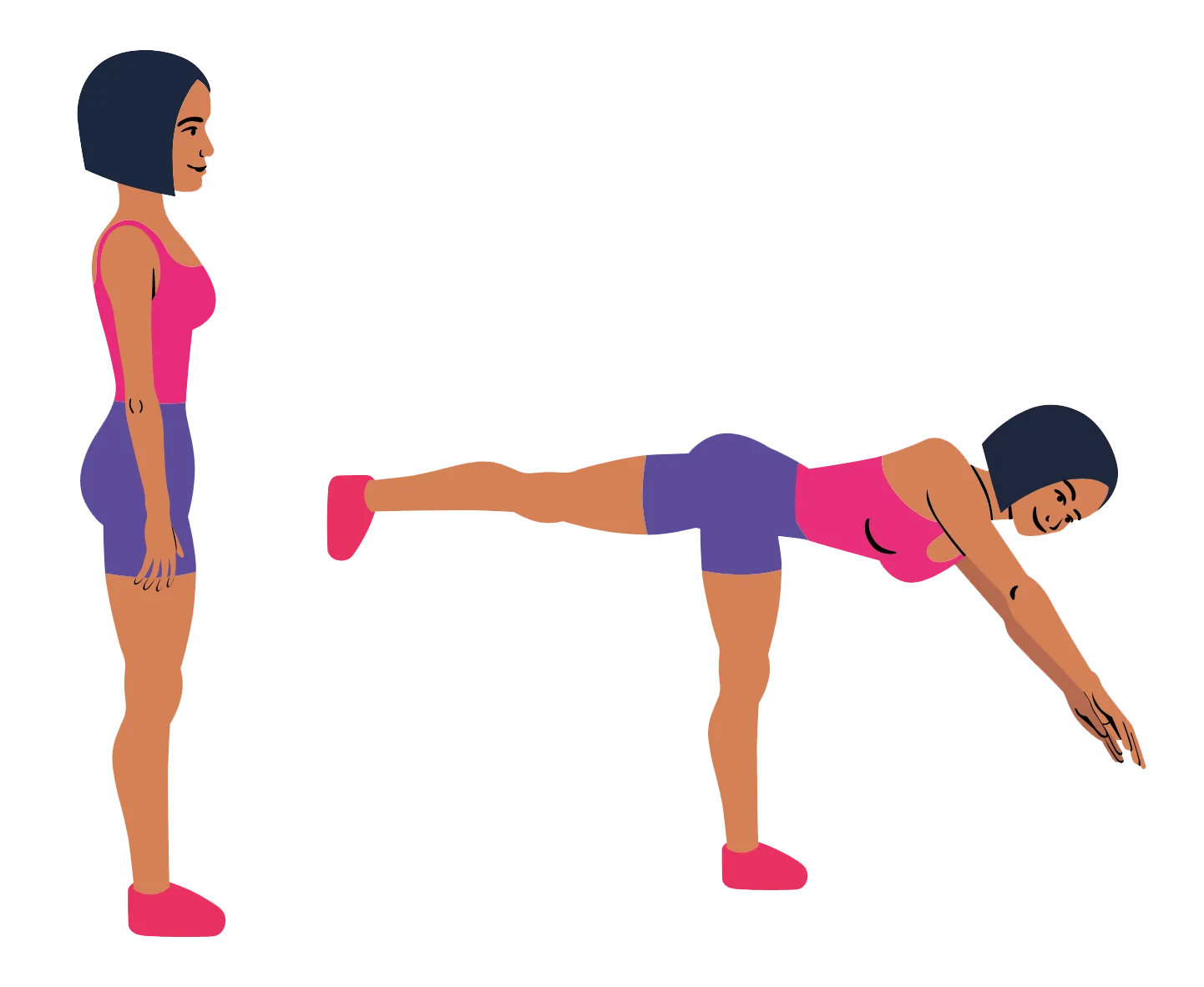
Standing tall, keep a slight bend in the plant leg and hinge forward from the hip while keeping the chest tall and thumbs pointing up. Hinge to 90 degrees and allow the hamstrings to stretch while keeping the head neutral. Repeat on the opposite side for the desired number of repetitions.
Content from Inside Time.
Building muscle isn’t just about lifting the heaviest weights. In fact, incorporating slow-tempo exercises into your routine can offer surprising benefits for muscle growth. Here’s how:
Slowing down your reps, particularly during the lowering (eccentric) phase, keeps your muscles under tension for a longer duration. This increased 'time under tension' is a key factor in stimulating muscle growth.
Focusing on slow, controlled movements forces you to connect more deeply with the target muscle. This heightened awareness allows for better form and ensures you’re working the intended muscle group effectively.
Fast, jerky movements can put stress on your joints. Slowing down your reps allows for better control, minimizing the risk of injury and allowing you to train more consistently.
Aim for a controlled 3 – 4 seconds for the lifting (concentric) phase and 4 – 6 seconds for the lowering (eccentric) phase of each rep.
You might need to use a lighter weight compared to your usual routine to maintain proper form during slow reps.
While slow training offers advantages, don’t completely eliminate faster tempos from your program. Varying your rep speed keeps your workouts challenging and can target different aspects of muscle development.
Slow and steady wins the race! By incorporating slow tempo exercises into your routine, you can increase muscle tension, improve your mind-muscle connection, and reduce your risk of injury, all of which contribute to building bigger and stronger muscles.
Take the feet wide so that when you perform your squat, your knees push over your big toe.
On the toes if you can, drop your knees down, keep your toes on the floor. Bring your chest down to your elbow crease.
Starting on your hands and knees, rise up onto the toes, tighten the core, and slowly reach forward with the right arm and right knee, followed by the left side.
Standing tall, keep a slight bend in the plant leg and hinge forward from the hip while keeping the chest tall and thumbs pointing up. Hinge to 90 degrees and allow the hamstrings to stretch while keeping the head neutral. Repeat on the opposite side for the desired number of repetitions.
Content from Inside Time.
Determined to make positive changes in life? It can start with digestion!
Stress is an unavoidable part of life, but within a prison environment it is often increased by uncertainty, loss of freedom, separation from loved ones, conflict, boredom, and concerns about the future.
Complete the entire circuit above, then repeat it a second time to hit the full rep count. Good luck!
There comes a moment in every person’s life when they are forced to face themselves. Not the version they show to others, but the deeper, more honest truth underneath.