A judge in Victoria has ruled that a lack of stable housing in the community shouldn’t be used as a reason to deny someone bail, particularly when it involves a First Nations person.
A 25-year-old First Nations man was denied bail in mid-July last year after it was found that he posed an unacceptable risk of offending in the community.
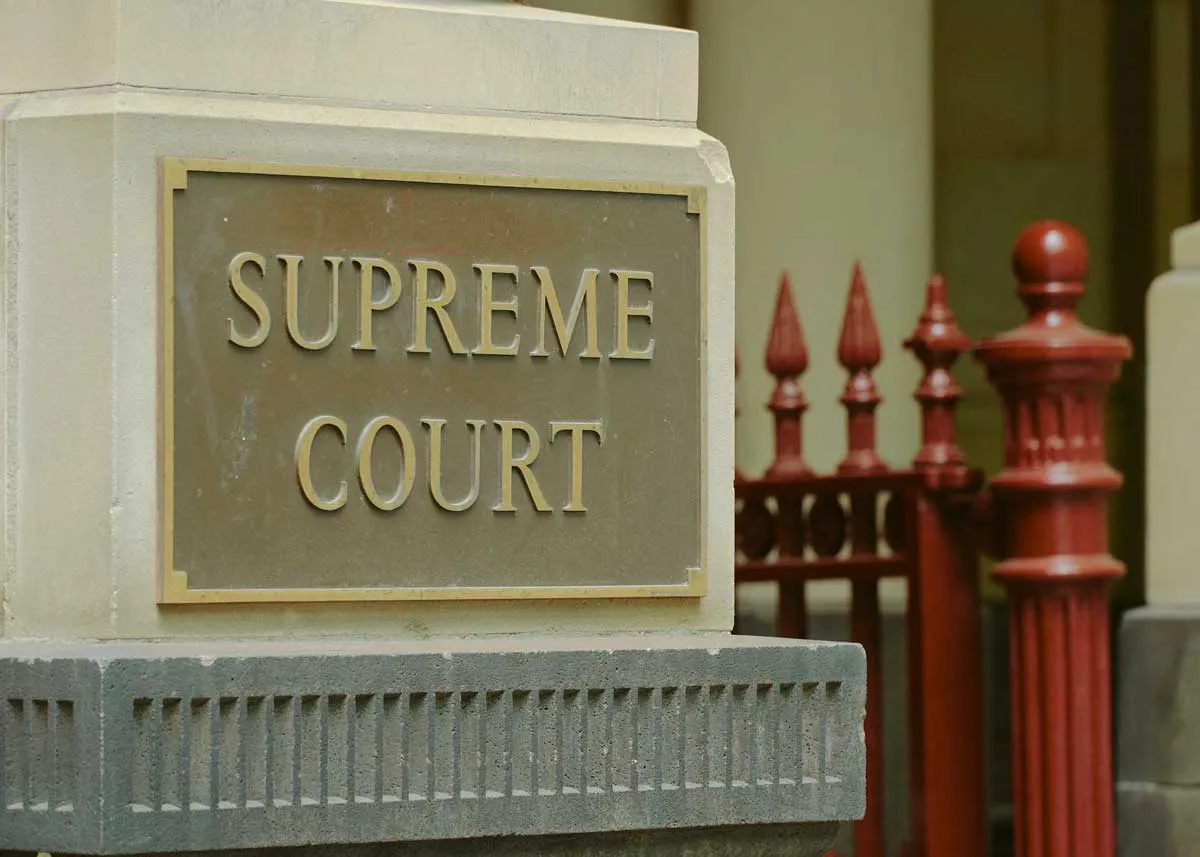
At an appeal at the Supreme Court, Justice Rita Incerti heard that the man had experienced homelessness and unstable housing for most of his adult life.
While a lack of housing is one of the most common reasons that someone is denied bail, the judge said that decision-makers must be “incredibly careful” not to treat people “punitively” because they are experiencing homelessness.
“It would be setting the applicant up to fail…if bail was refused, and thus his access to these protective factors was denied, simply because of the shortage of accommodation available to him,” Justice Incerti found.
“That comes dangerously close to punishing the applicant simply for being homeless.”
The judge ruled that the man did not pose an unacceptable risk of offending and that he should be released on bail.
The same case also highlighted the importance of considering someone’s Aboriginality when making a bail decision.
This should be more than just a “box-ticking exercise”, Justice Incerti found.
“It requires a decision-maker to look beyond the personal circumstances of the applicant and to the entrenched disadvantages of a class of people of which the applicant in this case is a part.”
The case affirms that homelessness should not be a factor on its own leading to someone being denied bail, and that if they are a First Nations person, this must be given proper consideration in this process too.
The judge ruled that the man did not pose an unacceptable risk of offending and that he should be released on bail.
The same case also highlighted the importance of considering someone’s Aboriginality when making a bail decision.
This should be more than just a “box-ticking exercise”, Justice Incerti found.
“It requires a decision-maker to look beyond the personal circumstances of the applicant and to the entrenched disadvantages of a class of people of which the applicant in this case is a part.”
The case affirms that homelessness should not be a factor on its own leading to someone being denied bail, and that if they are a First Nations person, this must be given proper consideration in this process too.


