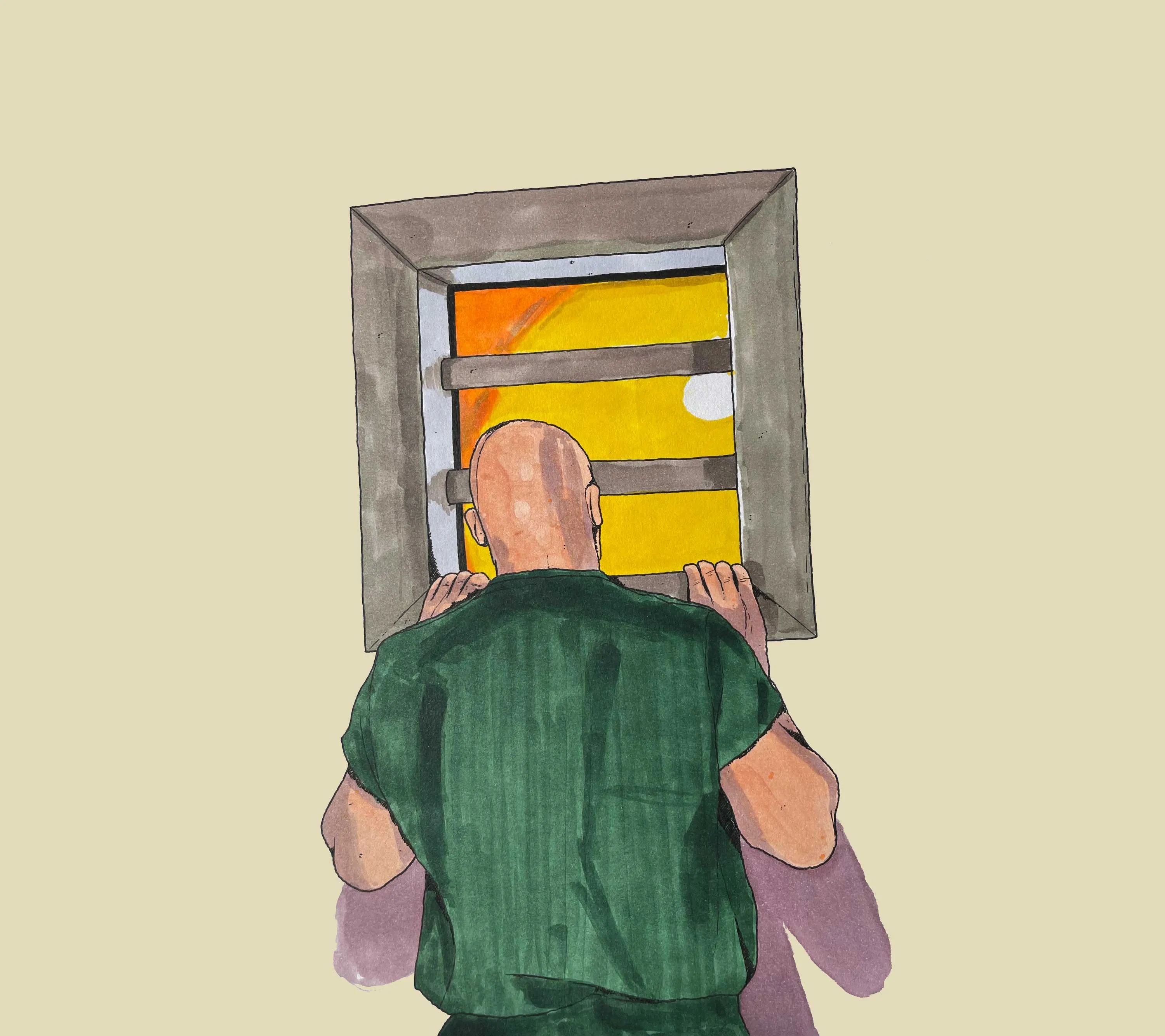
Queensland prison authorities will no longer be required to consider and act in a way that is compatible with human rights when making decisions that affect people in prison, under legislation the state government has introduced to Parliament.
The new legislation – Protecting Queenslanders from Dangerous Prisoners and Strengthening Victims’ Rights Amendment Act 2026 – provides that prison authorities are expressly excluded from the operation of section 58 of the state's Human Rights Act, which requires all public entities to take actions and make decisions in a way that is compatible with human rights.
This means that prison authorities' key decisions including the making of safety orders, maximum security orders and discipline processes no longer need to be made in a way that is compatible with human rights.
The Queensland government has admitted that this legislation is incompatible with its own Human Rights Act, and thus has also exempted the operation of the Human Rights Act from applying to the new Act.
According to the state government, the exemption is required to reduce the administrative burden placed on prison staff.
“Officers should not be required to undertake additional human rights assessments in the interests of an individual prisoner before taking otherwise lawful action necessary to perform these functions,” the Queensland government said.
“The government does not consider that requiring officers to undertake an additional assessment of an individual prisoner’s human rights before making these operational decisions reflects community expectations about how Queensland’s corrective services system should operate.
“The safety and security of corrective services facilities, officers and the broader community must come first.”
Unlike Queensland, he other Australian jurisdictions with human rights charters – Victoria and the ACT – have not excluded the operation of their charters from applying to prison authorities' decisions.
The move has drawn criticism from a range of human rights and legal groups.
Queensland Human Rights Commissioner Debbie Platz said the reforms will mean that people in prison can no longer make a complaint that their human rights have been breached, and will be blocked from raising this argument in court.
“The Commission’s experience highlights the value of providing accessible pathways for people in corrective services facilities to raise concerns about limits on their human rights and discrimination,” Platz told About Time.
“This may support both the rights of individuals and broader objectives of rehabilitation and community safety.”
In a submission to government, the Human Rights Law Centre said the reform was a “significant escalation in Queensland’s human rights crisis, reflective of a political culture of disdain for Australia’s binding international human rights obligations”.
“Human rights belong to everyone,” it said.
“Yet the bill would create a class of people for whom the ordinary Human Rights Act protections that constrain the exercise of state power would no longer apply. In substance, it treats this class of people as undeserving of the bare minimum protections afforded by human rights law. This is deeply problematic.”
The Queensland Law Society said that section 58 of the Human Rights Act is “one of the few practical levers available to remedy the consequences of actions and decisions that are not compatible with a prisoner’s human rights”.
The Society said that the reform would impact people on remand not convicted of a crime, those serving short sentences, women, young adults and people with a mental illness.
It would mean that human rights would no longer need to be considered in decisions involving the use of force, solitary confinement, access to medical care, the conditions within prisons and disciplinary action.


