ISSUE NO. 22
May 2026
Donate Here

Letters

Lessons from Bees

By
Muhamed

Muhamed writes from a prison in VIC.

Prison teaches people to hold back.

To keep to themselves.

To give as little as possible.

To protect what little energy or hope they have left.

When everything feels limited – time, freedom, trust – it makes sense to think that giving more will leave you with less.

But the bee lives by a different rule.

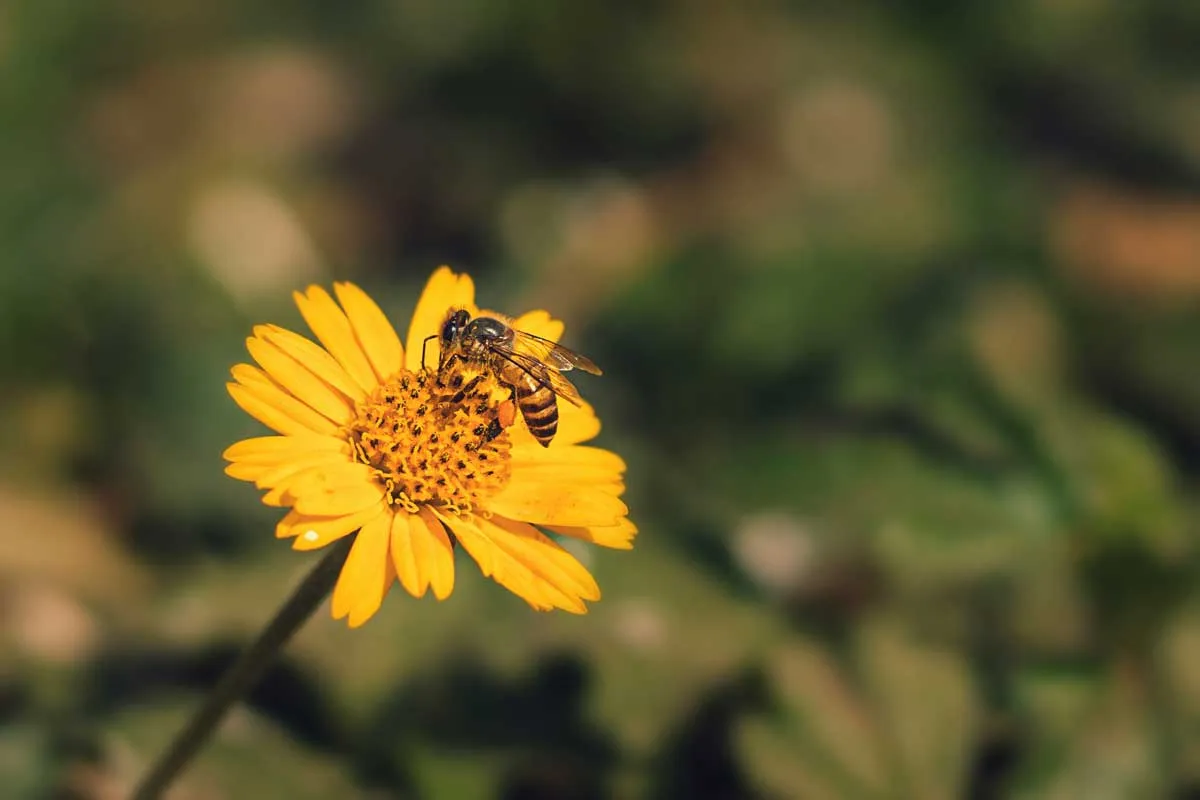
A bee gives – all the time. It works, gathers, builds and cares for the hive. And, instead of running out, the hive grows stronger. The more the bee puts in, the more there is for everyone. The bee always gives more than it receives.

The bee’s life is like a well that refills itself.

Prison doesn’t feel like a place where this should be true. It feels like a place where helping others costs you. Where kindness can be risky. Where keeping your head down feels safer.

And sometimes that’s true.

But many people slowly learn something important: giving in the right ways doesn’t drain you. It steadies you.

Helping someone understand a task.

Keeping shared spaces calm, safe and clean.

Doing your job properly, even when no one is watching.

Listening instead of reacting.

These small actions don’t fix everything. But they change the day. They reduce tension. They give you a sense a purpose.

The more you build good, positive routines, the stronger you feel.

The more responsibility you take, the more trust you earn.

The more you contribute, the more you feel like you matter.

That’s the well filling up.

The bee doesn’t keep score. It doesn’t ask what it gets in return. It just does what keeps the hive going. And, by doing that, it becomes part of something bigger than itself.

In prison, feeling connected can make the difference between coping and breaking down. Giving – in small, careful ways – helps build that connection.

This lesson matters even more when you think about life after prison.

People who only take don’t get far for long. Trust disappears quickly. Opportunities close.

Relationships erode. Life becomes unstable.

But people who give steadily – their time, effort, reliability – slowly build lives that hold together.

Work becomes meaningful. Relations grow. Doors open.

The bee’s well never runs dry, because it is connected to others. It always gives more than it receives.

Prison can teach this in a hard but powerful way. It strips life down and asks: “What do you do when you have very little to give?”

Those who learn to give anyway often leave with more than they expected.

Because, the more they draw from that well, the more it fills.

And that kind of strength lasts well beyond the walls.

Prison teaches people to hold back.

To keep to themselves.

To give as little as possible.

To protect what little energy or hope they have left.

When everything feels limited – time, freedom, trust – it makes sense to think that giving more will leave you with less.

But the bee lives by a different rule.

A bee gives – all the time. It works, gathers, builds and cares for the hive. And, instead of running out, the hive grows stronger. The more the bee puts in, the more there is for everyone. The bee always gives more than it receives.

The bee’s life is like a well that refills itself.

Prison doesn’t feel like a place where this should be true. It feels like a place where helping others costs you. Where kindness can be risky. Where keeping your head down feels safer.

And sometimes that’s true.

But many people slowly learn something important: giving in the right ways doesn’t drain you. It steadies you.

Helping someone understand a task.

Keeping shared spaces calm, safe and clean.

Doing your job properly, even when no one is watching.

Listening instead of reacting.

These small actions don’t fix everything. But they change the day. They reduce tension. They give you a sense a purpose.

The more you build good, positive routines, the stronger you feel.

The more responsibility you take, the more trust you earn.

The more you contribute, the more you feel like you matter.

That’s the well filling up.

The bee doesn’t keep score. It doesn’t ask what it gets in return. It just does what keeps the hive going. And, by doing that, it becomes part of something bigger than itself.

In prison, feeling connected can make the difference between coping and breaking down. Giving – in small, careful ways – helps build that connection.

This lesson matters even more when you think about life after prison.

People who only take don’t get far for long. Trust disappears quickly. Opportunities close.

Relationships erode. Life becomes unstable.

But people who give steadily – their time, effort, reliability – slowly build lives that hold together.

Work becomes meaningful. Relations grow. Doors open.

The bee’s well never runs dry, because it is connected to others. It always gives more than it receives.

Prison can teach this in a hard but powerful way. It strips life down and asks: “What do you do when you have very little to give?”

Those who learn to give anyway often leave with more than they expected.

Because, the more they draw from that well, the more it fills.

And that kind of strength lasts well beyond the walls.

Albany Prisoners on Lockdowns

By Prisoners at Albany Prison, WA

We are not sure who to write to or who we can talk to about theses matters. We are hoping someone reads our letter and can point us in the right direction to have our voices heard.

Letters

ISSUE NO. 22

1 MIN READ

Rights for Foreign Prisoners

By Luiing

If foreign prisoners have been sentenced under same law as Australians, then it’s extremely important that they have right to be treat equally in their imprisonment – on humanitarian grounds.

Letters

ISSUE NO. 22

2 MIN READ

Not Cool: Heat and Overcrowding in TMCC

By Dane

The following is in response to the article by Denham Sadler titled “Sweltering Behind Bars: Stifling Heat in Australian prisons”.

Letters

ISSUE NO. 22

2 MIN READ

Handling Family Issues From Prison

By Amos

Family issues trouble you the most while you are in the custody. Maybe you have a spouse or children. Or you may have close relationship with some members of the family. Some of us might have children in different states or overseas.

Letters

ISSUE NO. 22

2 MIN READ

Welcome to About Time

About Time is the national newspaper for Australian prisons and detention facilities

Your browser window currently does not have enough height, or is zoomed in too far to view our website content correctly. Once the window reaches the minimum required height or zoom percentage, the content will display automatically.

Alternatively, you can learn more via the links below.

Donations via GiveNow

Email

Instagram

LinkedIn