Welcome to About Time

About Time is the national newspaper for Australian prisons and detention facilities

Your browser window currently does not have enough height, or is zoomed in too far to view our website content correctly. Once the window reaches the minimum required height or zoom percentage, the content will display automatically.

Alternatively, you can learn more via the links below.

Donations via GiveNow

Email

Instagram

LinkedIn

ISSUE NO. 10
May 2025
Donate Here

Legal Corner

Legal Q&A – Varying Intervention Orders
Willy Pleasance

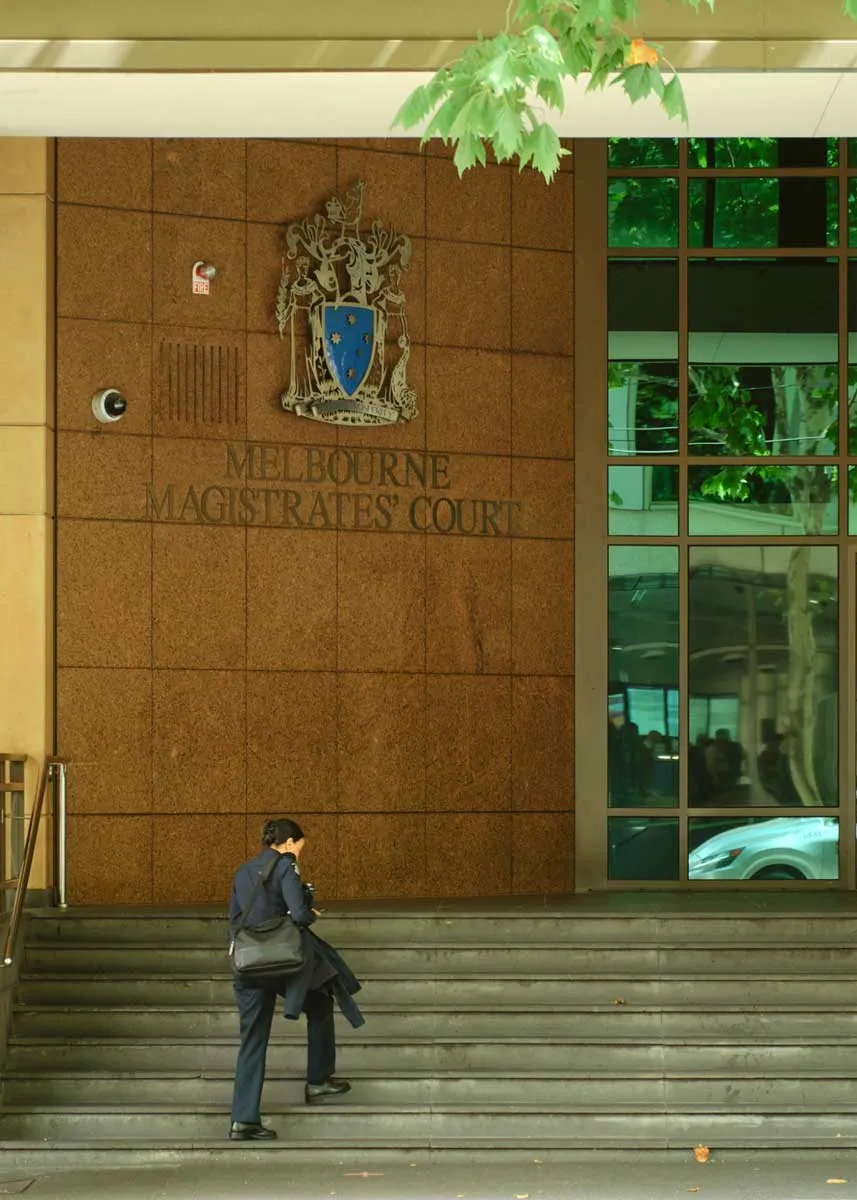
Thank you for your letter, Dylan. As the letter came to us from a prison in Victoria, here is some information from Magistrates’ Court of Victoria that may help you. Please note though, laws in relation to Personal Safety Intervention Orders and Family Violence Intervention Orders (also sometimes called restraining orders, or apprehended violence orders) vary greatly between States. For this reason, it is really important that you seek legal advice from a lawyer in your jurisdiction.

Applying to vary a family violence intervention order (FVIO) in Victoria

If your situation has changed, you can apply to change a family violence intervention order. The magistrate will assess how it will affect the protected persons and decide.

Changing an order is when you want:

  • to change the conditions of the order (called varying, or a variation)
  • the order to last longer (called extending, or an extension)
  • to cancel the order (called revoking, or a revocation).

If you are the applicant or affected person

If you are the applicant or affected person, you may want to change the order if you:

  • need more protection; or
  • find the conditions in the order difficult to manage; or
  • want to have contact with the respondent.

To vary, fill in an application to extend, vary or revoke a family violence intervention order form. Print it and bring it to the court where the order was made. You can also do it at the court.

The court registrar will give a date for the court hearing. The application will be served on the other person. If the police took out the order, they will receive the documents too.

At the hearing, you need to show there has been a change in circumstances.

If you are the respondent

If you are the respondent, you may want to change the order if you:

  • find the conditions in the order difficult to manage; or
  • your circumstances have changed; or
  • want to have contact with the applicant.

The court must first grant permission to apply for a change. This is called an application for leave. If you are in custody and need to appear before the Court to make an application to vary an order, you will need to let the Registry know that they need to arrange a custody audio-visual link for you to appear. If there is no link for you, and the application is heard in your absence, there is a real risk that your application to vary will be struck out.

There will be a court hearing where the magistrate will decide if you can apply. You must demonstrate that new facts and circumstances have arisen since the order was made which justify the changes you seek.

If you are allowed to apply, the application will be served on the other person. If the police took out the order, they will receive the documents too.

Thank you for your letter, Dylan. As the letter came to us from a prison in Victoria, here is some information from Magistrates’ Court of Victoria that may help you. Please note though, laws in relation to Personal Safety Intervention Orders and Family Violence Intervention Orders (also sometimes called restraining orders, or apprehended violence orders) vary greatly between States. For this reason, it is really important that you seek legal advice from a lawyer in your jurisdiction.

Applying to vary a family violence intervention order (FVIO) in Victoria

If your situation has changed, you can apply to change a family violence intervention order. The magistrate will assess how it will affect the protected persons and decide.

Changing an order is when you want:

  • to change the conditions of the order (called varying, or a variation)
  • the order to last longer (called extending, or an extension)
  • to cancel the order (called revoking, or a revocation).

If you are the applicant or affected person

If you are the applicant or affected person, you may want to change the order if you:

  • need more protection; or
  • find the conditions in the order difficult to manage; or
  • want to have contact with the respondent.

To vary, fill in an application to extend, vary or revoke a family violence intervention order form. Print it and bring it to the court where the order was made. You can also do it at the court.

The court registrar will give a date for the court hearing. The application will be served on the other person. If the police took out the order, they will receive the documents too.

At the hearing, you need to show there has been a change in circumstances.

If you are the respondent

If you are the respondent, you may want to change the order if you:

  • find the conditions in the order difficult to manage; or
  • your circumstances have changed; or
  • want to have contact with the applicant.

The court must first grant permission to apply for a change. This is called an application for leave. If you are in custody and need to appear before the Court to make an application to vary an order, you will need to let the Registry know that they need to arrange a custody audio-visual link for you to appear. If there is no link for you, and the application is heard in your absence, there is a real risk that your application to vary will be struck out.

There will be a court hearing where the magistrate will decide if you can apply. You must demonstrate that new facts and circumstances have arisen since the order was made which justify the changes you seek.

If you are allowed to apply, the application will be served on the other person. If the police took out the order, they will receive the documents too.

Legal Q&A

Do you have a general legal query that you want answered?
Is  there an area of law that you think people inside should know more about? Submit your question in the provided form, and we might publish an answer in the paper.

Submit Your Question

Added by About Time:

If you need help with varying an IVO, you should contact your lawyer, or seek referral to an IVO lawyer through your State’s law bodies, which are:

  1. Law Institute of Victoria – Find Your Lawyer Service: (03) 9670 9550
  2. Law Society of New South Wales – Solicitor Referral Service: (02) 9926 0333
  3. Queensland Law Society – Find a Solicitor Referral Service: 1300 367 757
  4. Northern Territory – Legal Directory: (08) 8981 5104
  5. ACT Law Society – Find a Lawyer: (02) 6274 0300
  6. Law Society of Western Australia – Find a Lawyer: (08) 9324 8600
  7. The Law Society of South Australia – See a Lawyer Referral Service: (08) 8229 0200

Added by About Time:

If you need help with varying an IVO, you should contact your lawyer, or seek referral to an IVO lawyer through your State’s law bodies, which are:

  1. Law Institute of Victoria – Find Your Lawyer Service: (03) 9670 9550
  2. Law Society of New South Wales – Solicitor Referral Service: (02) 9926 0333
  3. Queensland Law Society – Find a Solicitor Referral Service: 1300 367 757
  4. Northern Territory – Legal Directory: (08) 8981 5104
  5. ACT Law Society – Find a Lawyer: (02) 6274 0300
  6. Law Society of Western Australia – Find a Lawyer: (08) 9324 8600
  7. The Law Society of South Australia – See a Lawyer Referral Service: (08) 8229 0200

What Happens to Your Debts While You’re Inside?

What Happens to Your Debts While You’re Inside?

What Happens to Your Debts While You’re Inside?

By Prisoner Legal Service Queensland

Generally, debts can be put into two categories. First, there are private debts (e.g. from a bank, a landlord, a car dealer, or ‘Afterpay’). Second, there are debts owed to the State (e.g. unpaid fines).

Legal Corner

ISSUE NO. 20

2 MIN READ

Freedom of Information (Part Two): Review Options

Freedom of Information (Part Two): Review Options

Freedom of Information (Part Two): Review Options

By Daniel Vansetten
By Daniel Vansetten

This is the second part of a two-part series on Freedom of Information (or Right to Information) laws. This part discusses ‘review processes’ – that is, what can be done if you are unhappy with the FOI decision, particularly if you were refused information and you think this was incorrect.

Legal Corner

ISSUE NO. 5

10 MIN READ

DNA Testing in Queensland Under Review

DNA Testing in Queensland Under Review

DNA Testing in Queensland Under Review

By Prisoners Legal Service

In Queensland, there have been concerns raised about the way DNA evidence is processed and examined in forensic laboratories.

Legal Corner

ISSUE NO. 14

2 MIN READ

Freedom of Information (Part One of Two)

Freedom of Information (Part One of Two)

Freedom of Information (Part One of Two)

By Daniel Vansetten
By Daniel Vansetten

This is the first of a two-part series on Freedom of Information (FOI), (also called Right to Information). In this part, we explain why FOI is important and how to lodge an application for information.

Legal Corner

ISSUE NO. 4

9 MIN READ

What Happens to Your Debts While You’re Inside?

By Prisoner Legal Service Queensland

Generally, debts can be put into two categories. First, there are private debts (e.g. from a bank, a landlord, a car dealer, or ‘Afterpay’). Second, there are debts owed to the State (e.g. unpaid fines).

Legal Corner

ISSUE NO. 20

2 MIN READ

Confusing Decision Made About You? Maybe FOI Can Help

By Dan Vansetten

The concern for those who are subjected to government decisions is that they often do not get to see the integrity of the information which was considered by the decision-maker and don’t get to check if it’s correct.

Legal Corner

ISSUE NO. 20

3 MIN READ

Practical Self-Advocacy Tips: Part 1 – Using Prison Policies

By Daniel Vansetten

One of the most important aspects of self-advocacy in prison is to understand the rights of prisoners and the limitations of power of prison authorities.

Legal Corner

ISSUE NO. 19

2 MIN READ

Be Prepared: New Restrictions on Mobile Phones in Immigration Detention

By Josephine Langbien

New laws mean that immigration detention officers can now confiscate things like mobile phones, iPads and laptops, which were previously allowed in detention centres. If you’re facing time in immigration detention at the end of your sentence, this article gives some practical tips to prepare for the new rules before you go.

Legal Corner

ISSUE NO. 19

3 MIN READ