Welcome to About Time

About Time is the national newspaper for Australian prisons and detention facilities

Your browser window currently does not have enough height, or is zoomed in too far to view our website content correctly. Once the window reaches the minimum required height or zoom percentage, the content will display automatically.

Alternatively, you can learn more via the links below.

Donations via GiveNow

Email

Instagram

LinkedIn

ISSUE NO. 10
May 2025
Donate Here

Legal Corner

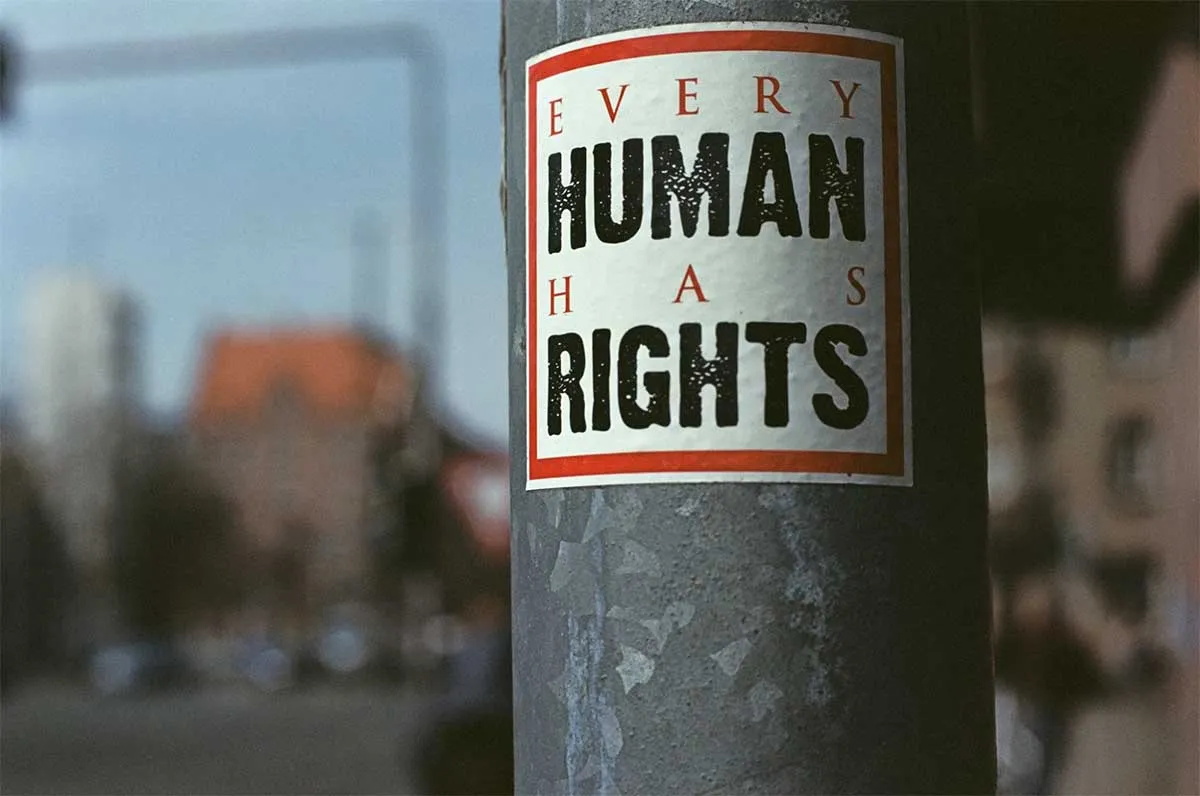
Human Rights in Prison

All people behind bars should be treated with dignity. State and territory laws and regulations generally have some requirements about prison conditions and how prison authorities should treat people in prison.
By
Human Rights Law Centre

The Human Rights Law Centre is a community legal centre focused on driving systemic change, including ensuring that people in prison are treated in dignity. The Human Rights Law Centre does not generally provide direct legal help to members because it only takes on a small number of cases each year developed in collaboration with partner organisations.

Marcus Spiske

All people behind bars should be treated with dignity. State and territory laws and regulations generally have some requirements about prison conditions and how prison authorities should treat people in prison. In addition, three Australian jurisdictions have specific human rights laws:

  • Victoria – Charter of Human Rights and Responsibilities Act 2001
  • ACT – Human Rights Act 2004
  • Queensland – Human Rights Act 2019

An earlier edition of About Time looked at common human rights issues experienced by people in prison, focusing on Queensland. This article builds on that by looking at how the above laws work and provides some examples.

How do the human rights laws work?

The laws require public authorities, including government departments, public servants, the police, corrections officers and organisations that do the job of public authorities, to:

  • properly consider human rights when making laws, developing policies, delivering services and making decisions; and
  • act compatibly with human rights.

The laws do allow for human rights to be limited, but generally, these limits need to be reasonable. Whoever is limiting the rights needs to show that these limits are justifiable.

If public authorities in the ACT, Victoria and Queensland do not properly consider, or act compatibly with, human rights, the laws allow for court action in certain cases.

Human rights in action – three examples of challenging prison conditions

In Owen-D'Arcy v Chief Executive, Queensland Corrective Services [2021] QSC 273, Mr Owen-D’Arcy challenged orders detaining him in solitary confinement in the Maximum Security Unit with no association with other people in prison. The Queensland Supreme Court found that Mr Owen-D’Arcy’s right to humane treatment when deprived of liberty was engaged because he was subject to hardship and constraint greater than what other people in prison experience by virtue of incarceration and that the limitation on this right could not be justified by the decision maker, who merely stated that they believed that there were no reasonable alternative arrangements to manage the risk.

In Thompson v Minogue [2021] VSCA 358, while the Victorian Court of Appeal overturned an earlier decision by finding that the direction that Dr Minogue be randomly selected for a urine test was reasonable and proportionate, the Court confirmed that the directions for Dr Minogue to be strip searched beforehand were not. It was found that the strip search requirements were excessive, going beyond what was reasonably necessary to achieve the purpose of the urine tests – being to deter people in prison from drug and alcohol use. It was held that the strip searches were incompatible with the rights to privacy and dignity due to the extremely invasive and demeaning way they were conducted, no evidence of alternative methods, the unlikelihood of people interfering with random tests and a lack of independent evidence to show the effectiveness of the program.

In Davidson v Director-General, Justice and Community Safety Directorate [2022] ACTSC 83, Mr Davidson challenged whether access to a small courtyard next to his cell (which had a mesh ceiling, no direct sunlight, no air circulation and not enough space to exercise) complied with the minimum entitlements set out in ACT laws requiring people in prison to be provided access to open air and exercise for at least one hour per day. The ACT Supreme Court held that access to the courtyard breached Mr Davidson’s right to humane treatment when deprived of liberty, with the Judge noting that there was no evidence that the decision maker had thought about Mr Davidson’s right to humane treatment, let alone given it proper consideration.

There have been other cases, but these key examples show how human rights laws have been successfully used to challenge prison conditions.

All people behind bars should be treated with dignity. State and territory laws and regulations generally have some requirements about prison conditions and how prison authorities should treat people in prison. In addition, three Australian jurisdictions have specific human rights laws:

  • Victoria – Charter of Human Rights and Responsibilities Act 2001
  • ACT – Human Rights Act 2004
  • Queensland – Human Rights Act 2019

An earlier edition of About Time looked at common human rights issues experienced by people in prison, focusing on Queensland. This article builds on that by looking at how the above laws work and provides some examples.

How do the human rights laws work?

The laws require public authorities, including government departments, public servants, the police, corrections officers and organisations that do the job of public authorities, to:

  • properly consider human rights when making laws, developing policies, delivering services and making decisions; and
  • act compatibly with human rights.

The laws do allow for human rights to be limited, but generally, these limits need to be reasonable. Whoever is limiting the rights needs to show that these limits are justifiable.

If public authorities in the ACT, Victoria and Queensland do not properly consider, or act compatibly with, human rights, the laws allow for court action in certain cases.

Human rights in action – three examples of challenging prison conditions

In Owen-D'Arcy v Chief Executive, Queensland Corrective Services [2021] QSC 273, Mr Owen-D’Arcy challenged orders detaining him in solitary confinement in the Maximum Security Unit with no association with other people in prison. The Queensland Supreme Court found that Mr Owen-D’Arcy’s right to humane treatment when deprived of liberty was engaged because he was subject to hardship and constraint greater than what other people in prison experience by virtue of incarceration and that the limitation on this right could not be justified by the decision maker, who merely stated that they believed that there were no reasonable alternative arrangements to manage the risk.

In Thompson v Minogue [2021] VSCA 358, while the Victorian Court of Appeal overturned an earlier decision by finding that the direction that Dr Minogue be randomly selected for a urine test was reasonable and proportionate, the Court confirmed that the directions for Dr Minogue to be strip searched beforehand were not. It was found that the strip search requirements were excessive, going beyond what was reasonably necessary to achieve the purpose of the urine tests – being to deter people in prison from drug and alcohol use. It was held that the strip searches were incompatible with the rights to privacy and dignity due to the extremely invasive and demeaning way they were conducted, no evidence of alternative methods, the unlikelihood of people interfering with random tests and a lack of independent evidence to show the effectiveness of the program.

In Davidson v Director-General, Justice and Community Safety Directorate [2022] ACTSC 83, Mr Davidson challenged whether access to a small courtyard next to his cell (which had a mesh ceiling, no direct sunlight, no air circulation and not enough space to exercise) complied with the minimum entitlements set out in ACT laws requiring people in prison to be provided access to open air and exercise for at least one hour per day. The ACT Supreme Court held that access to the courtyard breached Mr Davidson’s right to humane treatment when deprived of liberty, with the Judge noting that there was no evidence that the decision maker had thought about Mr Davidson’s right to humane treatment, let alone given it proper consideration.

There have been other cases, but these key examples show how human rights laws have been successfully used to challenge prison conditions.

Legal Q&A

Do you have a general legal query that you want answered?
Is  there an area of law that you think people inside should know more about? Submit your question in the provided form, and we might publish an answer in the paper.

Submit Your Question

Key issues with the laws

  1. In Victoria and Queensland, you cannot take direct legal action for a breach of your human rights. You can only raise the breaches if you have another legal action. For example, in Owen-D’Arcy, the human rights breaches were piggybacked onto a judicial review application. In the ACT, you can take direct action.
  2. You cannot currently get compensation for a breach of your human rights.
  3. Courts cannot invalidate laws
    that breach human rights – they can only invalidate decisions.
  4. Parliament can override human rights laws in exceptional circumstances, but there is not much accountability for claiming this. For example, the Queensland Parliament has decided that human rights laws do not apply in three separate instances, each time relating to youth justice reform.
  5. Public authorities can be exempt from human rights laws, such as the parole board in Victoria. In Queensland and the ACT, human rights laws are relevant to parole.

Conclusion

The legal information provided in this article is not a substitute for legal advice. If you wish to take any action, please consult a lawyer in the jurisdiction where you are incarcerated. There is, however, limited access to legal advice and representation for people in prison who want to shed light on, and demand accountability for, human rights abuses that they have been subjected to in prison. While some dedicated legal services for people in prison exist, governments should resource such services so that they are available to all people in prison.

Key issues with the laws

  1. In Victoria and Queensland, you cannot take direct legal action for a breach of your human rights. You can only raise the breaches if you have another legal action. For example, in Owen-D’Arcy, the human rights breaches were piggybacked onto a judicial review application. In the ACT, you can take direct action.
  2. You cannot currently get compensation for a breach of your human rights.
  3. Courts cannot invalidate laws
    that breach human rights – they can only invalidate decisions.
  4. Parliament can override human rights laws in exceptional circumstances, but there is not much accountability for claiming this. For example, the Queensland Parliament has decided that human rights laws do not apply in three separate instances, each time relating to youth justice reform.
  5. Public authorities can be exempt from human rights laws, such as the parole board in Victoria. In Queensland and the ACT, human rights laws are relevant to parole.

Conclusion

The legal information provided in this article is not a substitute for legal advice. If you wish to take any action, please consult a lawyer in the jurisdiction where you are incarcerated. There is, however, limited access to legal advice and representation for people in prison who want to shed light on, and demand accountability for, human rights abuses that they have been subjected to in prison. While some dedicated legal services for people in prison exist, governments should resource such services so that they are available to all people in prison.

The Federal Election: Voting and More

The Federal Election: Voting and More

The Federal Election: Voting and More

By About Time
By About Time

The federal election is coming up. It happens about every three years. It’s for electing the government for the whole country – the federal government.

Legal Corner

ISSUE NO. 8

9 MIN READ

Practical Self-Advocacy Tips: Part 1 – Using Prison Policies

Practical Self-Advocacy Tips: Part 1 – Using Prison Policies

Practical Self-Advocacy Tips: Part 1 – Using Prison Policies

By Daniel Vansetten
By Daniel Vansetten

One of the most important aspects of self-advocacy in prison is to understand the rights of prisoners and the limitations of power of prison authorities.

Legal Corner

ISSUE NO. 19

2 MIN READ

Struggling With Debt? Financial Counselling Might Help!

Struggling With Debt? Financial Counselling Might Help!

Struggling With Debt? Financial Counselling Might Help!

By About Time
By About Time

Financial counsellors are skilled professionals who provide advice and support to people struggling with bills and debt.

Legal Corner

ISSUE NO. 6

3 MIN READ

Parole Conditions in Queensland

Parole Conditions in Queensland

Parole Conditions in Queensland

By Prisoners' Legal Service

All parole orders must have conditions setting out what you are required to do and what you must not do while on parole.  

Legal Corner

ISSUE NO. 10

3 MIN READ

Inspectors’ Report!

By About Time

Inspectors and ombudsmen regularly go to prisons and publish reports on what they find and what they think needs to be improved. They also complete reports on issues such as access to healthcare or the use of segregation.

Legal Corner

ISSUE NO. 23

4 MIN READ

The Parole Patchwork: An Overview of Australia’s Parole Laws

By Human Rights Law Centre lawyer Monique Hurley, with assistance from Connor Shaw

In recent years, regressive reform of parole laws in many places has made it increasingly difficult for people in prison to access parole.

Legal Corner

ISSUE NO. 23

4 MIN READ

Open Air in Prison: Your Rights Explained

By Human Rights Law Centre and Prisoners’ Legal Service

With people in prisons across the country being subjected to an “epidemic of prison lockdowns”, it is important to note that bare minimum safeguards exist in law, in most jurisdictions, that purport to guarantee at least some time ‘in the open air’ each day for people behind bars.

Legal Corner

ISSUE NO. 22

5 MIN READ

Law and Healthcare: Why Can’t I Get My Usual Prescriptions From Prison?

By Prisoners' Legal Service Queensland

There is a lot of talk about human rights in prison – with things like ‘the Mandela Rules’, ‘the principle of equivalence’, and access to health care without discrimination.

Legal Corner

ISSUE NO. 21

2 MIN READ

Help Us Keep Publishing About Time

Without About Time, I don’t know where I would be – Mark, from a prison in Victoria

We need your help so that we can print and distribute the paper to every person in every prison for at least the next year. We value whatever you can spare, no matter how big or small.

Australia’s prison population is growing, and our many prisons are spread far and wide.

We need your help so that we can print and distribute the paper to every person in every prison for at least the next year. We need your help to cover postage for anyone who sends us a letter from the inside.

We value whatever you can spare, no matter how big or small.