The Parole Patchwork: An Overview of Australia’s Parole Laws
What makes you eligible for parole in each state and territory

Ethan Cassidy


Your browser window currently does not have enough height, or is zoomed in too far to view our website content correctly. Once the window reaches the minimum required height or zoom percentage, the content will display automatically.
Alternatively, you can learn more via the links below.
Parole allows a person to serve part of their prison sentence in the community. The idea is that parole provides people with a structured, supported and supervised transition from prison back into the community. In recent years, regressive reform of parole laws in many places has made it increasingly difficult for people in prison to access parole.
Each state and territory has an independent parole authority that makes decisions about whether to grant, deny, defer or cancel a person’s parole pursuant to the relevant governing law. Some jurisdictions have automatic parole where a person does not need to apply for their first parole hearing. In contrast, others do not have automatic parole and people in prison must make an application to be considered for release on parole.
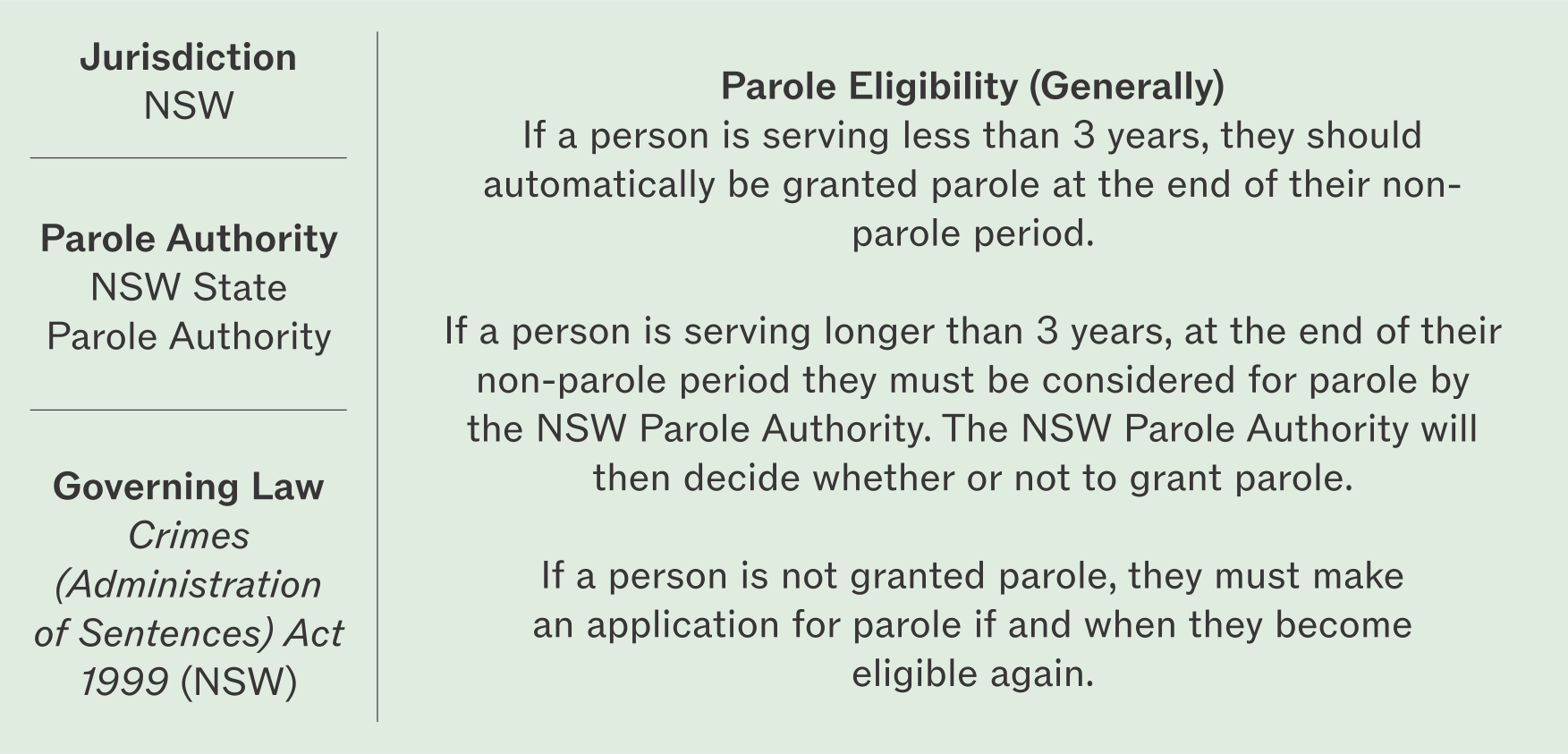
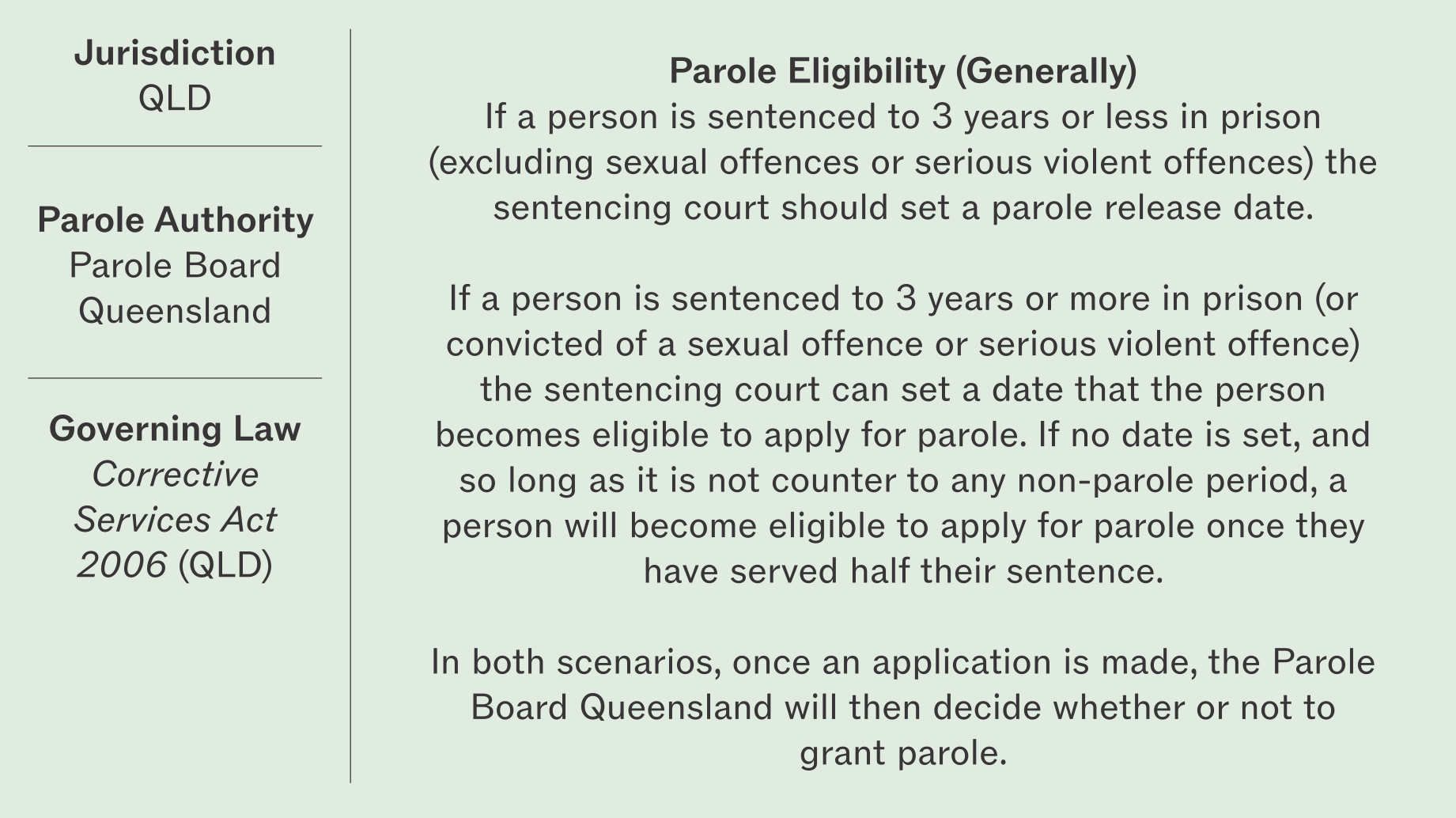
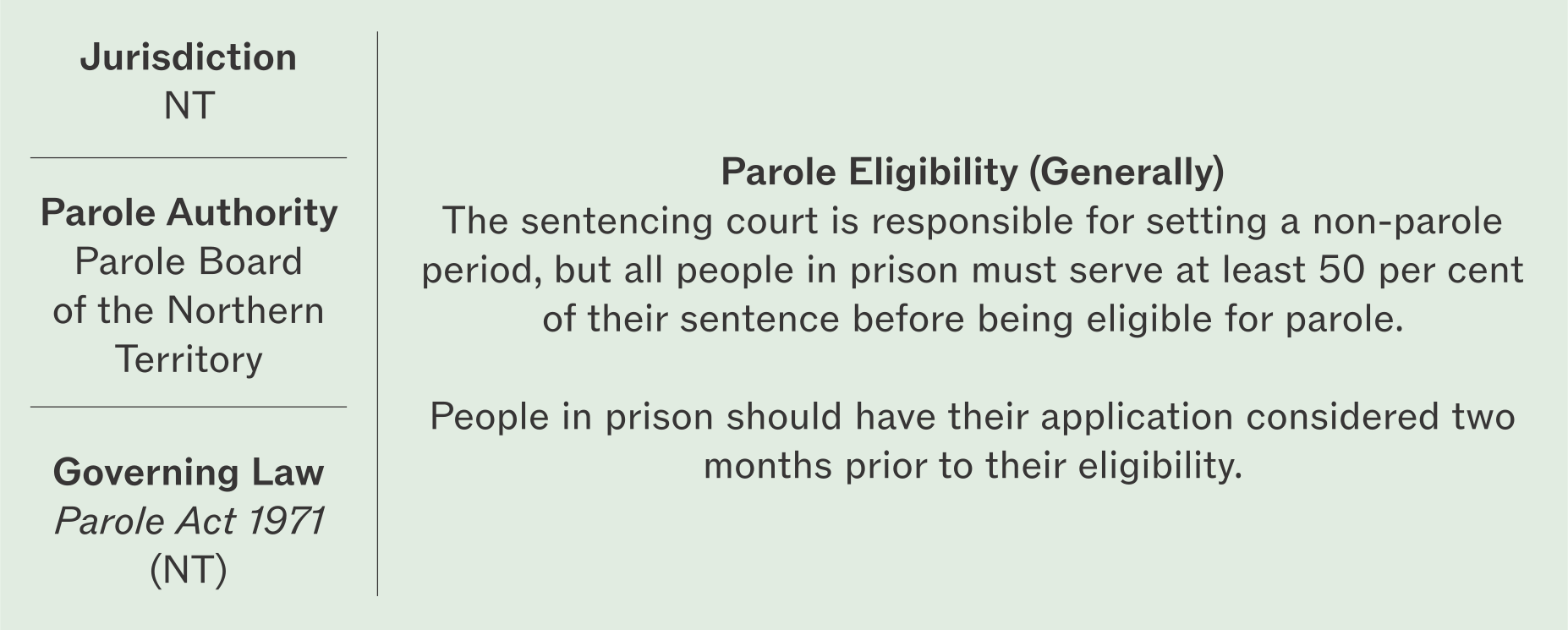
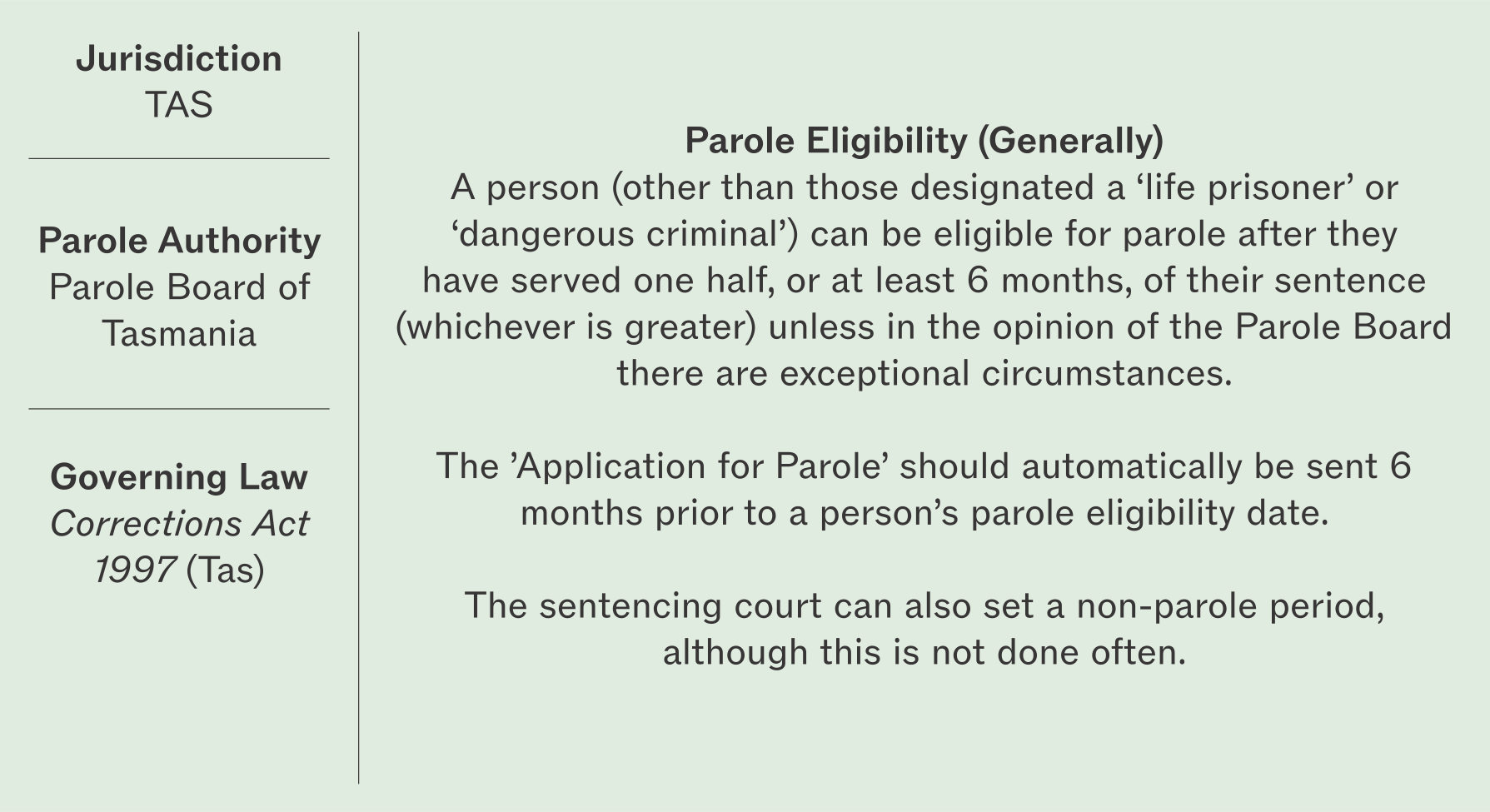
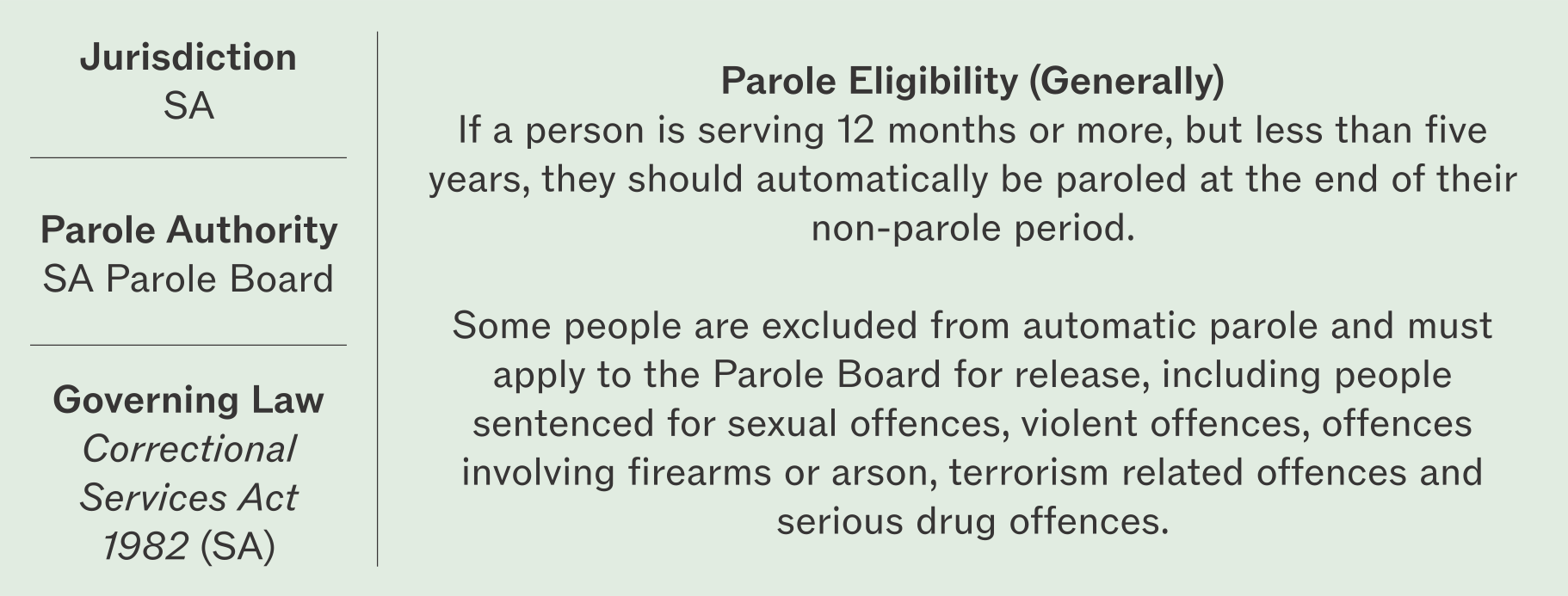
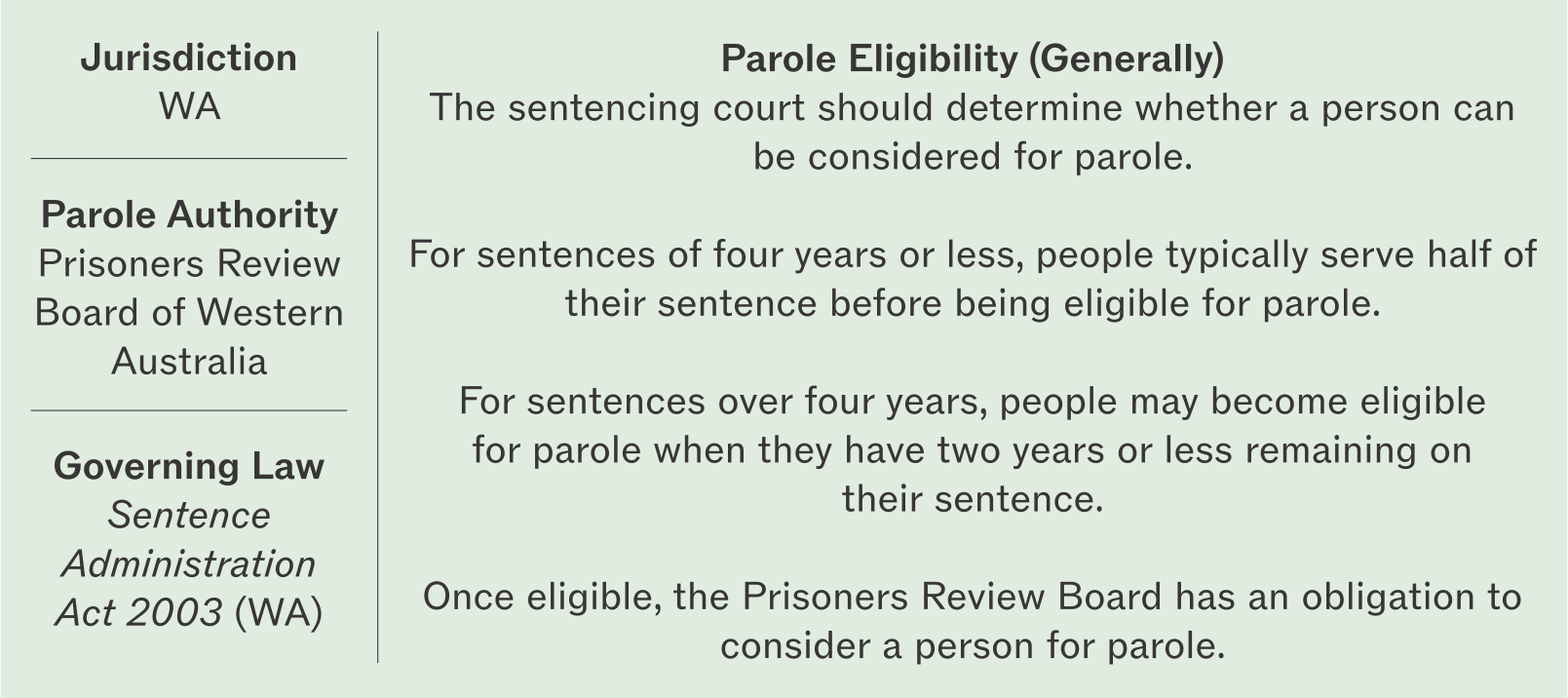
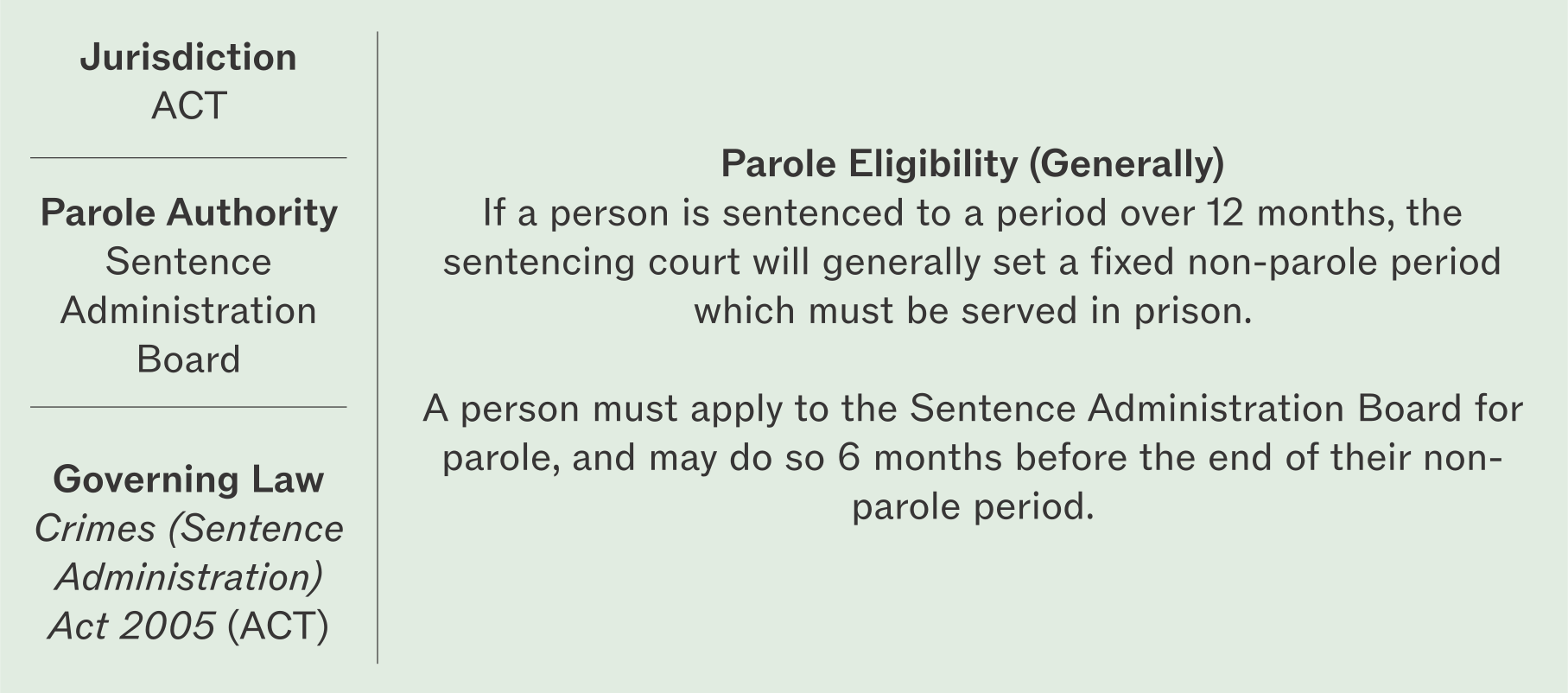
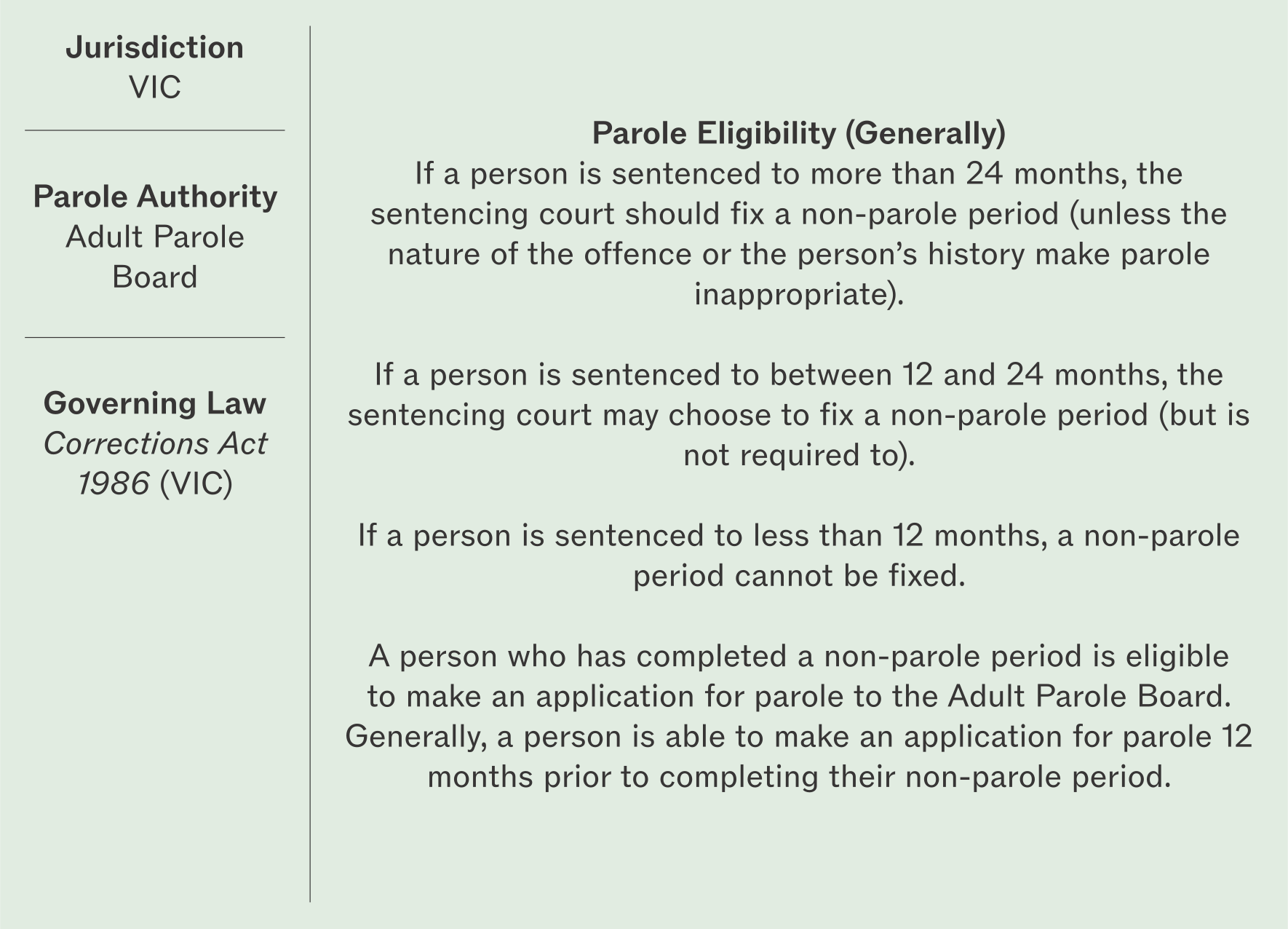
Parole laws in each jurisdiction differ, are not always straightforward and can be challenging to navigate. A high-level summary of parole eligibility can be viewed across the green boxes on the following page.
In most jurisdictions, “no body no parole laws” exist and generally provide that the parole authority must not release a person sentenced to life on parole unless they are satisfied that the person has satisfactorily cooperated in the investigation of the offence. Other exclusions and restrictions exist, including some in relation to specific people in prison.
At the federal level, the Albanese government is in the process of establishing the Commonwealth Parole Board that will replace the Attorney-General as the decision-maker on parole matters for people serving federal sentences. This is likely to commence operations in late 2026, subject to the relevant laws being passed.
In making their decisions, parole authorities are sometimes mandated to consider certain matters, but can generally consider all relevant information, with a significant focus on ‘safety and protection of the community’.
Parole authorities will generally consider:
The mismanagement of parole applications is not uncommon and can have fatal consequences. In 2021, proud Yamatji, Noongar, Wongi and Pitjantjatjara woman Heather Calgaret died in custody at the Dame Phyllis Frost women’s prison in Victoria. This followed significant delays in Ms Calgaret being able to access the treatment programs she was required to complete for her parole application, which was ultimately refused because her proposed accommodation was deemed “unsuitable”.
In Victoria, two of the most frequently used reasons for parole being denied in 2024-25 reported by the Adult Parole Board were the absence of suitable accommodation (69 per cent) and the failure to complete assessment/programs (34 per cent).
Review rights differ between jurisdictions. While on parole, a person is subject to parole conditions and is under supervision. Common conditions include abstaining from alcohol, drug testing, curfews, residential restrictions and electronic monitoring. Parole can be cancelled at any time by the parole authority if a person does not comply with their parole conditions or if they are convicted of a new criminal offence.
Parole allows a person to serve part of their prison sentence in the community. The idea is that parole provides people with a structured, supported and supervised transition from prison back into the community. In recent years, regressive reform of parole laws in many places has made it increasingly difficult for people in prison to access parole.
Each state and territory has an independent parole authority that makes decisions about whether to grant, deny, defer or cancel a person’s parole pursuant to the relevant governing law. Some jurisdictions have automatic parole where a person does not need to apply for their first parole hearing. In contrast, others do not have automatic parole and people in prison must make an application to be considered for release on parole.
Parole laws in each jurisdiction differ, are not always straightforward and can be challenging to navigate. A high-level summary of parole eligibility can be viewed across the green boxes on the following page.
In most jurisdictions, “no body no parole laws” exist and generally provide that the parole authority must not release a person sentenced to life on parole unless they are satisfied that the person has satisfactorily cooperated in the investigation of the offence. Other exclusions and restrictions exist, including some in relation to specific people in prison.
At the federal level, the Albanese government is in the process of establishing the Commonwealth Parole Board that will replace the Attorney-General as the decision-maker on parole matters for people serving federal sentences. This is likely to commence operations in late 2026, subject to the relevant laws being passed.
In making their decisions, parole authorities are sometimes mandated to consider certain matters, but can generally consider all relevant information, with a significant focus on ‘safety and protection of the community’.
Parole authorities will generally consider:
The mismanagement of parole applications is not uncommon and can have fatal consequences. In 2021, proud Yamatji, Noongar, Wongi and Pitjantjatjara woman Heather Calgaret died in custody at the Dame Phyllis Frost women’s prison in Victoria. This followed significant delays in Ms Calgaret being able to access the treatment programs she was required to complete for her parole application, which was ultimately refused because her proposed accommodation was deemed “unsuitable”.
In Victoria, two of the most frequently used reasons for parole being denied in 2024-25 reported by the Adult Parole Board were the absence of suitable accommodation (69 per cent) and the failure to complete assessment/programs (34 per cent).
Review rights differ between jurisdictions. While on parole, a person is subject to parole conditions and is under supervision. Common conditions include abstaining from alcohol, drug testing, curfews, residential restrictions and electronic monitoring. Parole can be cancelled at any time by the parole authority if a person does not comply with their parole conditions or if they are convicted of a new criminal offence.
I was reading a section of ‘Australia’s National Prison Newspaper’ where it gave some information about bail but I couldn’t find any information about people trying to vary intervention orders (I.V.O).
Strip searching is a security practice purportedly used by prison authorities to prevent drugs and other contraband from entering prisons.
Wrongdoing thrives in the darkness. Too often, it is only because of brave people who speak out that the public learns what is happening in the shadows.
What is the legal sentence period after which an inmate must reapply for the DSP?
The law, like other professions, has its own language. It helps keep all the lawyers huddled around some special stuff and keep the rest of us outside.
On 1 April 2026, the Australian Parliament passed new laws which will change the way Commonwealth parole works.
People in prison can apply to transfer from a prison in one state or territory to another, generally for welfare reasons to be closer to family, community supports, or rehabilitation opportunities.
Inspectors and ombudsmen regularly go to prisons and publish reports on what they find and what they think needs to be improved. They also complete reports on issues such as access to healthcare or the use of segregation.