Australia's National
Prison Newspaper

Welcome to About Time

About Time is the national newspaper for Australian prisons and detention facilities

Your browser window currently does not have enough height, or is zoomed in too far to view our website content correctly. Once the window reaches the minimum required height or zoom percentage, the content will display automatically.

Alternatively, you can learn more via the links below.

Donations via GiveNow

Email

Instagram

LinkedIn

Australia's National
Prison Newspaper

ISSUE NO. 20

March 2026

Donate Here

Culture

Parkrun Behind Bars: How a Weekly 5km Is Building Community in Australian Prisons

The free walk-run program is expanding again!
Denham Sadler is the Chief Reporter at About Time.

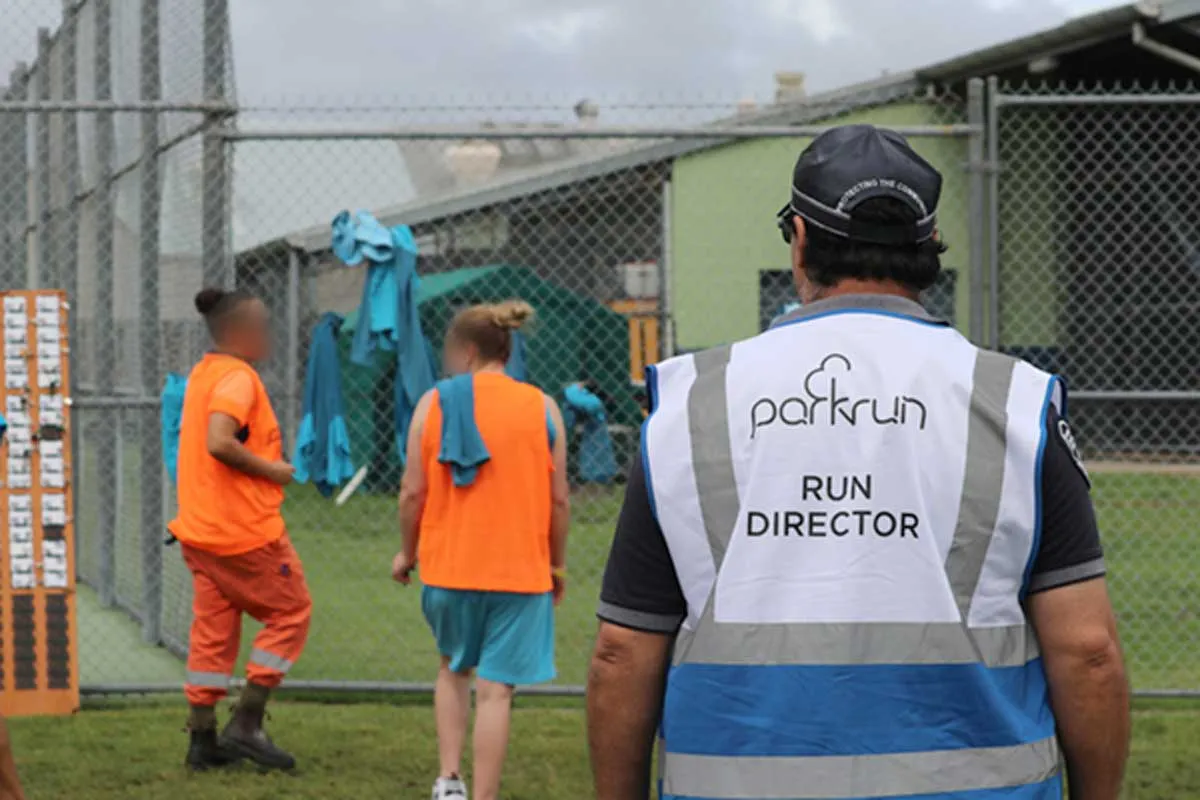
Every Saturday morning in four prisons around the country, a 5km fun run takes place.

These events are not competitive, aren’t races, and are open to runners, walkers and volunteers.

Parkruns are a staple in the community – with free weekly events taking place in 23 countries across five continents.

The first parkrun in a prison was held in England in 2018. The event made its way to Australian prisons in 2019, hosted at Dhurringle Prison in Victoria. Organised by parkrun, a UK-based organisation, these free community events now take place in 2000 locations in 23 countries across five continents.

It soon expanded to 13 prisons and had more than 100 weekly participants, but the pandemic led to the cancellation of many of them.

Parkruns are now held in three men’s prisons in South Australia and at Brisbane Women’s Correctional Centre in Queensland.

There are plans to expand parkruns into more prisons around the country, and the organisation is encouraging those looking to bring the event to their prison to get in touch.

About Time spoke to parkrun Asia-Pacific Head of Health & Wellbeing Glen Turner about how it all works and what the benefits of it are.

About Time: How does it all work?

Glen Turner: Parkruns are free weekly 5km events designed to foster social connection that are open to walkers, runners and volunteers of all ages and abilities.

Prison parkruns are no different – they are designed to look and feel the same as parkruns outside the wire, so that when you leave custody you are familiar with the parkrun model and can use it as part of community reintegration.

Importantly, people in prison take ownership of parkrun and facilitate the event for fellow inmates and officers, which empowers them to take on all of the volunteer roles required to operate the event. This includes managing the overall event, coordinating the volunteers, public speaking, timekeeping, handing out finish tokens, processing results and marshalling on the course.

Some events have people who write a weekly event report which is published and printed out for others to read.

Parkrun is not competitive and focuses on motivating regular attendance rather than performance. After 25 weeks you join the ‘25’ club and can purchase a purple parkrun 25 shirt. Further milestones are achieved after 50, 100, 250, 500 and 1000 parkruns and the motivation of these milestone clubs is a major incentive for people in prison.

Some prisons do allow people to purchase the shirts and wear them, as a way of recognising their achievements and motivating others to get involved. When you are released from prison you take the number of parkruns with you, and continue to rack them up on the outside.

What are some of the benefits of participating in the program?

Parkrun engages those who don’t participate in other physical activity opportunities, such as the gym program, so it improves the overall physical and mental health of the group.

You don’t have to run, or even walk. Volunteering is an option to anyone and has wide reaching benefits including mental health and skills development.

It gives a weekly walk, run or volunteer opportunity to look forward to and prepare for, and they often tell us it impacts how they behave during the week in terms of eating better, being more mindful of hydration and exercising so they can try to go faster.

The parkrun in Mobilong Prison in South Australia was started by the prison GP when they were preparing to ban smoking in the prison, and this event is still going strong.

It also assists with transition out of prison. Understanding how parkrun works and how they can get involved when they go to a new community is beneficial, and it also provides a ready-made circle of positive people to interact with upon release.

How have you seen the program benefit people in prison?

People who have volunteered with us in prison say it has really increased their confidence. One person who got involved as the event report writer is now preparing to graduate with a Journalism Diploma.

Many people also have family who do parkrun on the outside, so they can share their experiences and compare times. Some lower security prisons even allow families to come in for parkrun from time to time. We’ve also heard from people who did parkrun with their family at the first opportunity post-release.

Are you planning to hold more parkruns in prisons around the country?

Yes! Traditionally we have asked that prison parkruns take place on Saturdays. However, we have now changed this model and will be supporting prisons in Australia to hold parkrun at any time of the week, providing it is on the same day each week.

We know the success of parkrun is largely built on routine, so having the same day of the week as a weekly habit is really important for getting buy-in from the prison group and ensuring continuity and consistency.

We would love to hear from any prison that is interested in introducing parkrun, and it’s our role to support you every step of the way, from launching the event and into the future.

What’s your advice to someone who might be considering taking part in a parkun?

My best advice is that parkrun isn’t about running, and you don’t have to run! Parkrun is designed to be fun and social – it’s a great place to have a chat whilst walking or running outside.

If volunteering is more your thing, the parkrun model allows a large number of volunteer opportunities to up skill yourself and develop your confidence.

Parkrun Australia can be contacted via email at:

support@parkrun.com

Every Saturday morning in four prisons around the country, a 5km fun run takes place.

These events are not competitive, aren’t races, and are open to runners, walkers and volunteers.

Parkruns are a staple in the community – with free weekly events taking place in 23 countries across five continents.

The first parkrun in a prison was held in England in 2018. The event made its way to Australian prisons in 2019, hosted at Dhurringle Prison in Victoria. Organised by parkrun, a UK-based organisation, these free community events now take place in 2000 locations in 23 countries across five continents.

It soon expanded to 13 prisons and had more than 100 weekly participants, but the pandemic led to the cancellation of many of them.

Parkruns are now held in three men’s prisons in South Australia and at Brisbane Women’s Correctional Centre in Queensland.

There are plans to expand parkruns into more prisons around the country, and the organisation is encouraging those looking to bring the event to their prison to get in touch.

About Time spoke to parkrun Asia-Pacific Head of Health & Wellbeing Glen Turner about how it all works and what the benefits of it are.

About Time: How does it all work?

Glen Turner: Parkruns are free weekly 5km events designed to foster social connection that are open to walkers, runners and volunteers of all ages and abilities.

Prison parkruns are no different – they are designed to look and feel the same as parkruns outside the wire, so that when you leave custody you are familiar with the parkrun model and can use it as part of community reintegration.

Importantly, people in prison take ownership of parkrun and facilitate the event for fellow inmates and officers, which empowers them to take on all of the volunteer roles required to operate the event. This includes managing the overall event, coordinating the volunteers, public speaking, timekeeping, handing out finish tokens, processing results and marshalling on the course.

Some events have people who write a weekly event report which is published and printed out for others to read.

Parkrun is not competitive and focuses on motivating regular attendance rather than performance. After 25 weeks you join the ‘25’ club and can purchase a purple parkrun 25 shirt. Further milestones are achieved after 50, 100, 250, 500 and 1000 parkruns and the motivation of these milestone clubs is a major incentive for people in prison.

Some prisons do allow people to purchase the shirts and wear them, as a way of recognising their achievements and motivating others to get involved. When you are released from prison you take the number of parkruns with you, and continue to rack them up on the outside.

What are some of the benefits of participating in the program?

Parkrun engages those who don’t participate in other physical activity opportunities, such as the gym program, so it improves the overall physical and mental health of the group.

You don’t have to run, or even walk. Volunteering is an option to anyone and has wide reaching benefits including mental health and skills development.

It gives a weekly walk, run or volunteer opportunity to look forward to and prepare for, and they often tell us it impacts how they behave during the week in terms of eating better, being more mindful of hydration and exercising so they can try to go faster.

The parkrun in Mobilong Prison in South Australia was started by the prison GP when they were preparing to ban smoking in the prison, and this event is still going strong.

It also assists with transition out of prison. Understanding how parkrun works and how they can get involved when they go to a new community is beneficial, and it also provides a ready-made circle of positive people to interact with upon release.

How have you seen the program benefit people in prison?

People who have volunteered with us in prison say it has really increased their confidence. One person who got involved as the event report writer is now preparing to graduate with a Journalism Diploma.

Many people also have family who do parkrun on the outside, so they can share their experiences and compare times. Some lower security prisons even allow families to come in for parkrun from time to time. We’ve also heard from people who did parkrun with their family at the first opportunity post-release.

Are you planning to hold more parkruns in prisons around the country?

Yes! Traditionally we have asked that prison parkruns take place on Saturdays. However, we have now changed this model and will be supporting prisons in Australia to hold parkrun at any time of the week, providing it is on the same day each week.

We know the success of parkrun is largely built on routine, so having the same day of the week as a weekly habit is really important for getting buy-in from the prison group and ensuring continuity and consistency.

We would love to hear from any prison that is interested in introducing parkrun, and it’s our role to support you every step of the way, from launching the event and into the future.

What’s your advice to someone who might be considering taking part in a parkun?

My best advice is that parkrun isn’t about running, and you don’t have to run! Parkrun is designed to be fun and social – it’s a great place to have a chat whilst walking or running outside.

If volunteering is more your thing, the parkrun model allows a large number of volunteer opportunities to up skill yourself and develop your confidence.

Parkrun Australia can be contacted via email at:

support@parkrun.com

Paper Chained International Art Exhibition

Paper Chained International Art Exhibition

Paper Chained International Art Exhibition

By Damien Linnane
By Damien Linnane

In Sydney in May 2024, Damien Linnane (editor of the prison magazine Paper Chained) held an exhibition of art by people in prison around the world. Linnane managed to obtain over 100 artworks from currently and formerly incarcerated people in eight different countries.

Culture

ISSUE NO. 1

3 MIN READ

Review of Songs Inside

Review of Songs Inside

Review of Songs Inside

By About Time
By About Time

Songs Inside received the Audience Award at the Adelaide Film Festival and Documentary Australia Award at the Sydney Film Festival. It’s touring around the country.

Culture

ISSUE NO. 13

2 MIN READ

Games in Prison: An Interview with Bull Press

Games in Prison: An Interview with Bull Press

Games in Prison: An Interview with Bull Press

By Edith McLellan
By Edith McLellan

We’re Bull Press. We make games – conversational tabletop games – for a prison environment. Most of us have spent time in prison, and we’re based in the USA.

Culture

ISSUE NO. 16

3 MIN READ

Leave a Comment

Thank you! Your submission has been received!
Oops! Something went wrong while submitting the form.
0 Comments
Author Name
Comment Time

Lorem ipsum dolor sit amet, consectetur adipiscing elit. Suspendisse varius enim in eros elementum tristique. Duis cursus, mi quis viverra ornare, eros dolor interdum nulla, ut commodo diam libero vitae erat. Aenean faucibus nibh et justo cursus id rutrum lorem imperdiet. Nunc ut sem vitae risus tristique posuere. uis cursus, mi quis viverra ornare, eros dolor interdum nulla, ut commodo diam libero vitae erat. Aenean faucibus nibh et justo cursus id rutrum lorem imperdiet. Nunc ut sem vitae risus tristique posuere.

The Potential of Video Games in Prison

By Stacey Stokes

Video games can be helpful for people both inside and leaving prison. They’re not only entertaining, but they can help people deal with the trauma of prison and re-entry in the community.

Culture

ISSUE NO. 19

2 MIN READ

Sports Round Up

By Goal Mouth

An overview of recent sporting events, including AFLW, motor racing, soccer and cricket.

Culture

ISSUE NO. 18

3 MIN READ

Straight Outta Risdon – Bars Behind Bars

By Sara

It takes real courage to grab the mic and share your story, especially in front of fellow inmates and complete strangers. Bars Behind Bars is more than a music program at Risdon Prison; it’s a creative outlet that’s uncovering raw talent and powerful voices.

Culture

ISSUE NO. 18

3 MIN READ

Your Armchair Guide to Summer Sport

By Goal Mouth

An overview of recent sporting events, including horse racing, motor racing, AFLW and cricket.

Culture

ISSUE NO. 17

3 MIN READ

Get the full paper in print each month.

6-Month Subscription:

Physical copy of About Time delivered to your home or organisation each month for six months. Paid upfront.

Subscribe for $70

12-Month Subscription:

Physical copy of About Time delivered to your home or organisation each month for twelve months. Paid upfront.

Subscribe for $125

Newsletter

Be the first to learn about our monthly stories, plus new initiatives and live events

You've successfully registered!
Something went wrong when we tried to register your details. Please try again.

Support Australia's First National Prison Newspaper

A place for news and education, expression and hope

Help keep the momentum going. All donations will be vital in providing an essential resource for people in prison and their loved ones.

All donations of $2 or more are tax deductible. If you would like to pay directly into our bank account to avoid the processing fee, please contact donate@abouttime.org.au. ABN 67 667 331 106.

It's
About Time.

A place for news and education, expression and hope.

Help us get About Time off the ground. All donations are tax deductible and will be vital in providing an essential resource for people in prison and their loved ones.

Donate Here

Newsletter

Be the first to learn about our monthly stories, plus new initiatives and live events

You've successfully registered!
Something went wrong when we tried to register your details. Please try again.