Welcome to About Time

About Time is the national newspaper for Australian prisons and detention facilities

Your browser window currently does not have enough height, or is zoomed in too far to view our website content correctly. Once the window reaches the minimum required height or zoom percentage, the content will display automatically.

Alternatively, you can learn more via the links below.

Donations via GiveNow

Email

Instagram

LinkedIn

ISSUE NO. 9
April 2025
Donate Here

Culture

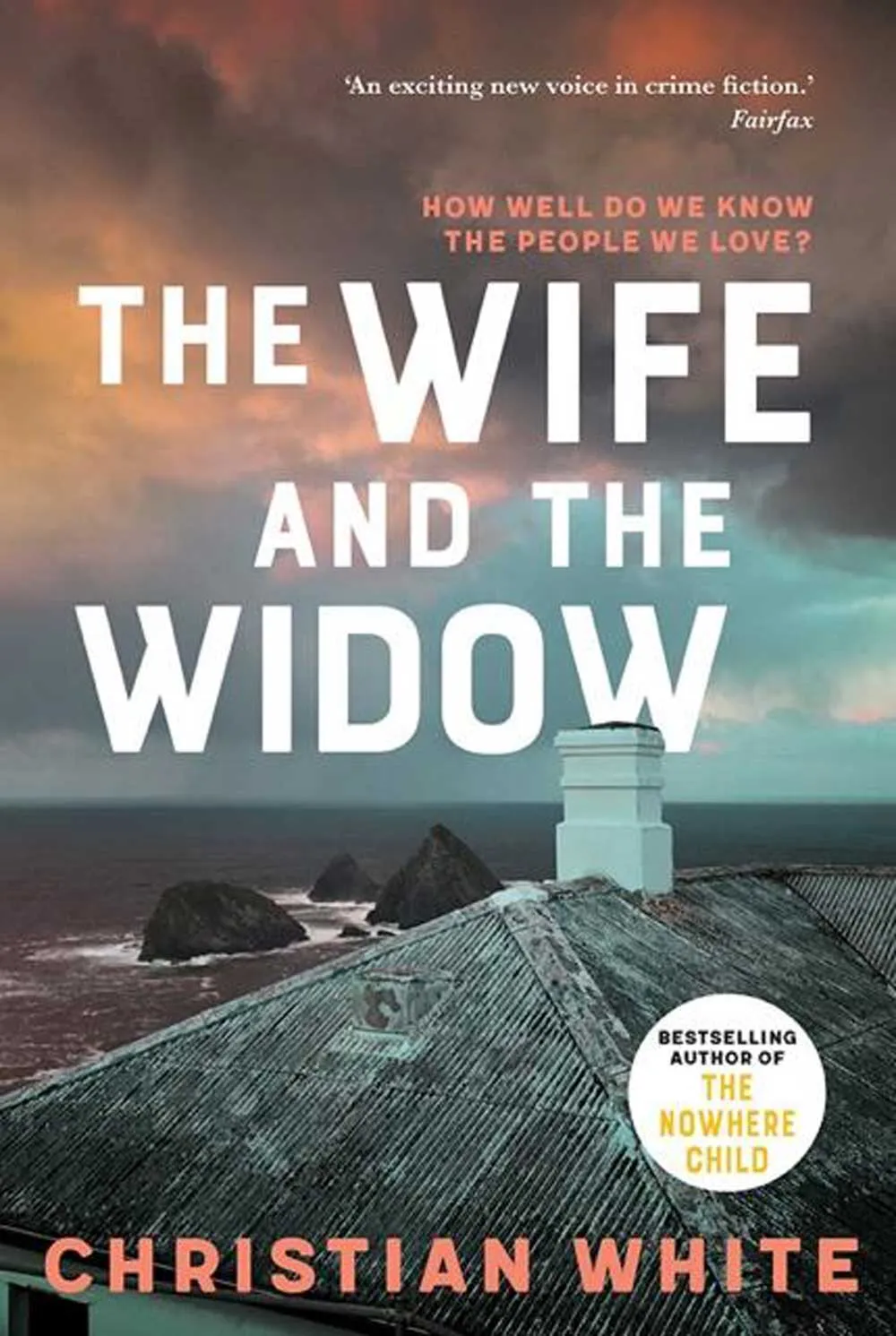
Book Club Review: The Wife and the Widow by Christian White
Affirm Press

Christian White is an Australian author and screenwriter born in the Mornington Peninsula. His second novel, The Wife and the Widow, was released in September 2019 in Australia and January 2020 in the US. It became an instant bestseller and won the 2020 Ned Kelly Award for Best Crime Fiction. Christian co-created the television series Clickbait, with Tony Ayres (The Slap), which went straight to number one on Netflix in 41 countries, including Australia, the US and the UK.

Plot Overview:

Set on a quiet island in the dead of winter, The Wife and the Widow is a gripping mystery/thriller told from two perspectives. Kate is a widow struggling with her grief, which deepens when she uncovers startling secrets about her late husband's hidden life. Meanwhile, Abby, an island local, is forced to confront the possibility that her husband may be a murderer, turning her world upside down.

As the story unfolds, both women are forced to reckon with the shocking truths about the men they loved. But on this isolated island, nothing is quite what it seems. Only by coming together can Kate and Abby uncover the full story – and the dark secrets that bind them all.

Themes:

Grief and Loss:

Both Kate and Abby must navigate the emotional turmoil of losing their husbands, though in different ways – one to death, the other to the potential revelation of a horrific crime. The novel examines how grief shapes their identities and their perceptions of the men they loved.

Deception and Betrayal:

Central to the story is the theme of hidden truths. Both women uncover shocking secrets about their husbands, forcing them to grapple with feelings of betrayal and the unsettling realization that their relationships were built
on lies.

Identity and Trust:

As the women’s understanding of their husbands unravels, they are forced to question their own identities and the trust they placed in those closest to them. The novel probes how much we truly know about the people we love.

Justice and Morality:

The story also raises questions about justice and the lengths people will go to uncover the truth. It explores moral ambiguity, as the characters must decide what is right in the face of shocking revelations and difficult choices.

Isolation:

Set on a remote island, the novel emphasizes the theme of isolation – both physical and emotional. The harsh, wintery landscape mirrors the characters’ sense of loneliness and the feeling that they are cut off from the world as they uncover disturbing truths.
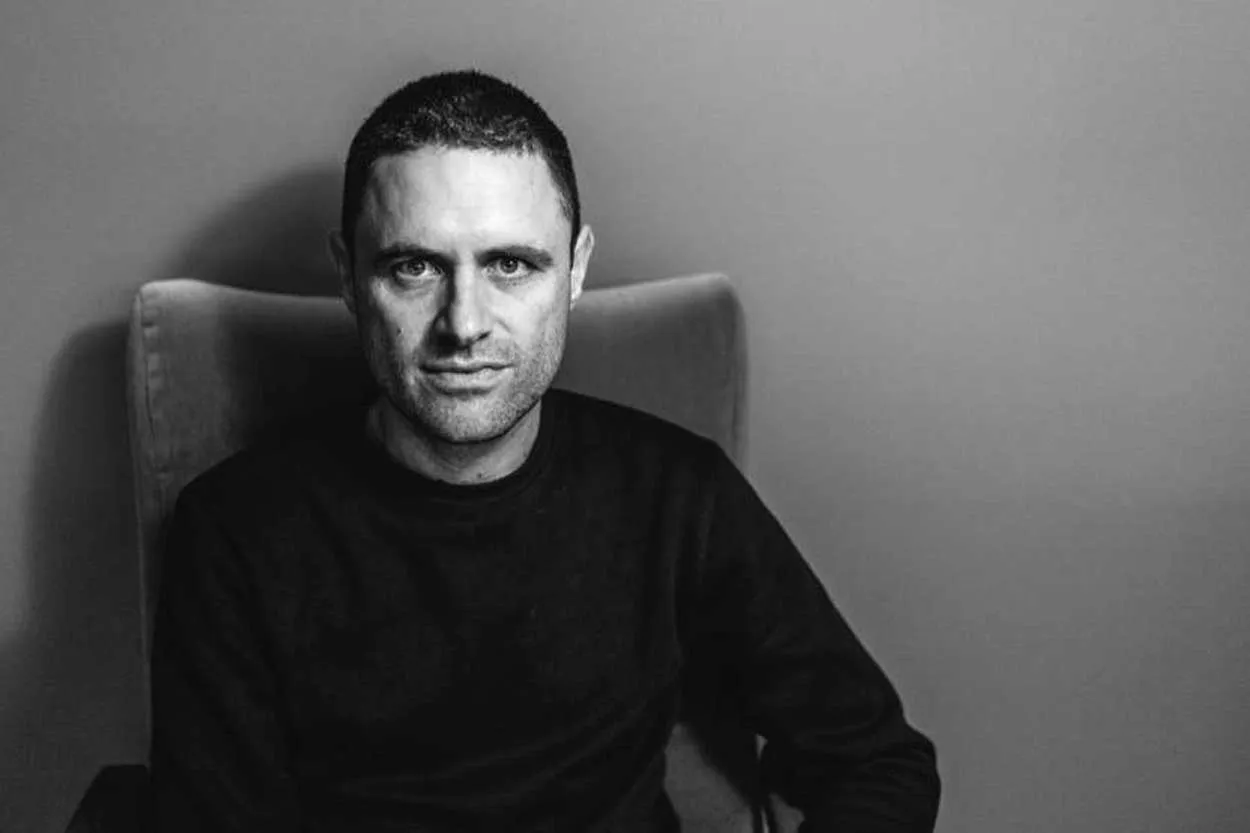
About Time’s very own interview with author, Christian White

Q1. Deception is a theme in the novel. How do you think people can come to terms with the truth when it challenges everything they thought they knew about their lives?

Coming to terms with a challenging truth can be painful, but it’s also an opportunity for growth. Facing the truth, no matter how difficult, allows us to see things clearly and make peace with the past. Honesty, with ourselves and others, is the first step
toward healing.

Q2. The novel raises complex questions about justice and morality. Do you believe there is ever a "right" way to seek justice, or is it always subjective, depending on the circumstances and who is involved?

Justice is rarely black and white. It often depends on perspective, emotions, and the situation. I believe the "right" way to seek justice should involve understanding, fairness, and empathy – trying to do what’s right for everyone involved while considering the consequences.

Q3. Isolation plays a huge role in the story, especially since much of it takes place on a remote island. In your opinion, how does isolation – whether physical or emotional – affect the way people process trauma and make decisions?

Isolation can make everything feel more intense – pain, fear, even hope – because you’re left alone with your thoughts. It can be overwhelming, but it can also provide clarity. The key is finding ways to stay connected to others, even when you feel alone, because support can make all the difference.

Q4. The novel explores the idea of how people redefine themselves after major events in their lives. How do you think people find a new sense of identity when they are forced to let go of the past?

Letting go of the past is never easy, but it’s a chance to start fresh. People find a new identity by focusing on what they value most and by being kind to themselves. It’s about accepting what’s happened and looking forward, even if the path ahead is uncertain.

Q5. What do you hope readers, particularly those who are incarcerated, take away from The Wife and the Widow? Is there a particular message or feeling you hope to convey?

I hope readers see that everyone has secrets and struggles, but no matter how lost or isolated you feel, there’s always a way forward. The novel is about resilience and finding strength in unexpected places, and I hope it offers a sense of hope and connection.

Q6. Lastly, if you could share one piece of advice with someone facing a difficult challenge, whether inside prison or out in the world, based on the themes or lessons of The Wife and the Widow, what would it be?

No matter what you’re going through, keep moving forward. The past doesn’t define you – what matters is what you do next. Be honest with yourself, take small steps, and trust that even in the darkest moments, there’s always a way to rebuild.

Christian White is an Australian author and screenwriter born in the Mornington Peninsula. His second novel, The Wife and the Widow, was released in September 2019 in Australia and January 2020 in the US. It became an instant bestseller and won the 2020 Ned Kelly Award for Best Crime Fiction. Christian co-created the television series Clickbait, with Tony Ayres (The Slap), which went straight to number one on Netflix in 41 countries, including Australia, the US and the UK.

Plot Overview:

Set on a quiet island in the dead of winter, The Wife and the Widow is a gripping mystery/thriller told from two perspectives. Kate is a widow struggling with her grief, which deepens when she uncovers startling secrets about her late husband's hidden life. Meanwhile, Abby, an island local, is forced to confront the possibility that her husband may be a murderer, turning her world upside down.

As the story unfolds, both women are forced to reckon with the shocking truths about the men they loved. But on this isolated island, nothing is quite what it seems. Only by coming together can Kate and Abby uncover the full story – and the dark secrets that bind them all.

Themes:

Grief and Loss:

Both Kate and Abby must navigate the emotional turmoil of losing their husbands, though in different ways – one to death, the other to the potential revelation of a horrific crime. The novel examines how grief shapes their identities and their perceptions of the men they loved.

Deception and Betrayal:

Central to the story is the theme of hidden truths. Both women uncover shocking secrets about their husbands, forcing them to grapple with feelings of betrayal and the unsettling realization that their relationships were built
on lies.

Identity and Trust:

As the women’s understanding of their husbands unravels, they are forced to question their own identities and the trust they placed in those closest to them. The novel probes how much we truly know about the people we love.

Justice and Morality:

The story also raises questions about justice and the lengths people will go to uncover the truth. It explores moral ambiguity, as the characters must decide what is right in the face of shocking revelations and difficult choices.

Isolation:

Set on a remote island, the novel emphasizes the theme of isolation – both physical and emotional. The harsh, wintery landscape mirrors the characters’ sense of loneliness and the feeling that they are cut off from the world as they uncover disturbing truths.

About Time’s very own interview with author, Christian White

Q1. Deception is a theme in the novel. How do you think people can come to terms with the truth when it challenges everything they thought they knew about their lives?

Coming to terms with a challenging truth can be painful, but it’s also an opportunity for growth. Facing the truth, no matter how difficult, allows us to see things clearly and make peace with the past. Honesty, with ourselves and others, is the first step
toward healing.

Q2. The novel raises complex questions about justice and morality. Do you believe there is ever a "right" way to seek justice, or is it always subjective, depending on the circumstances and who is involved?

Justice is rarely black and white. It often depends on perspective, emotions, and the situation. I believe the "right" way to seek justice should involve understanding, fairness, and empathy – trying to do what’s right for everyone involved while considering the consequences.

Q3. Isolation plays a huge role in the story, especially since much of it takes place on a remote island. In your opinion, how does isolation – whether physical or emotional – affect the way people process trauma and make decisions?

Isolation can make everything feel more intense – pain, fear, even hope – because you’re left alone with your thoughts. It can be overwhelming, but it can also provide clarity. The key is finding ways to stay connected to others, even when you feel alone, because support can make all the difference.

Q4. The novel explores the idea of how people redefine themselves after major events in their lives. How do you think people find a new sense of identity when they are forced to let go of the past?

Letting go of the past is never easy, but it’s a chance to start fresh. People find a new identity by focusing on what they value most and by being kind to themselves. It’s about accepting what’s happened and looking forward, even if the path ahead is uncertain.

Q5. What do you hope readers, particularly those who are incarcerated, take away from The Wife and the Widow? Is there a particular message or feeling you hope to convey?

I hope readers see that everyone has secrets and struggles, but no matter how lost or isolated you feel, there’s always a way forward. The novel is about resilience and finding strength in unexpected places, and I hope it offers a sense of hope and connection.

Q6. Lastly, if you could share one piece of advice with someone facing a difficult challenge, whether inside prison or out in the world, based on the themes or lessons of The Wife and the Widow, what would it be?

No matter what you’re going through, keep moving forward. The past doesn’t define you – what matters is what you do next. Be honest with yourself, take small steps, and trust that even in the darkest moments, there’s always a way to rebuild.

‘Blak In-Justice: Incarceration and Resilience’ Exhibition Opens in Melbourne

‘Blak In-Justice: Incarceration and Resilience’ Exhibition Opens in Melbourne

‘Blak In-Justice: Incarceration and Resilience’ Exhibition Opens in Melbourne

By About Time
By About Time

A new art exhibition in Melbourne calls attention to Indigenous incarceration in Australia. It’s on from April to July 2025 at Heide Museum of Modern Art in Melbourne.

Culture

ISSUE NO. 10

3 MIN READ

Straight Outta Risdon – Bars Behind Bars

Straight Outta Risdon – Bars Behind Bars

Straight Outta Risdon – Bars Behind Bars

By Sara
By Sara

It takes real courage to grab the mic and share your story, especially in front of fellow inmates and complete strangers. Bars Behind Bars is more than a music program at Risdon Prison; it’s a creative outlet that’s uncovering raw talent and powerful voices.

Culture

ISSUE NO. 18

3 MIN READ

Locked Up on Screen: The Enduring Appeal of Prison Movies

Locked Up on Screen: The Enduring Appeal of Prison Movies

Locked Up on Screen: The Enduring Appeal of Prison Movies

By Benjamin Aitken
By Benjamin Aitken

Even before going to prison, I was drawn to prison movies. Now, after my time inside, I’m even more captivated.

Culture

ISSUE NO. 11

4 MIN READ

Visions Through the Eyes of a Palestinian Prisoner

Visions Through the Eyes of a Palestinian Prisoner

Visions Through the Eyes of a Palestinian Prisoner

By Damien Linnane
By Damien Linnane

Knowing what an incredibly powerful story he had – not to mention unique artworks – after the interview I asked Mohannad if he would be interested in having art exhibited in Australia.

Culture

ISSUE NO. 17

1 MIN READ

Sauces to Transform Your Prison Meals

By Mark

Five recipes from inside.

Culture

ISSUE NO. 22

1 MIN READ

Sports Round Up!

By Goal Mouth

An overview of recent sporting events, including athletics, F1 and soccer.

Culture

ISSUE NO. 22

2 MIN READ

You Can Make Ice Cream in Prison. Here’s How.

By Geoff

All you need is eggs, cream, condensed milk and 24 hours.

Culture

ISSUE NO. 21

2 MIN READ

Sports Round Up!

By Goal Mouth

An overview of recent sporting events, including AFL, F1, football and cricket.

Culture

ISSUE NO. 21

3 MIN READ