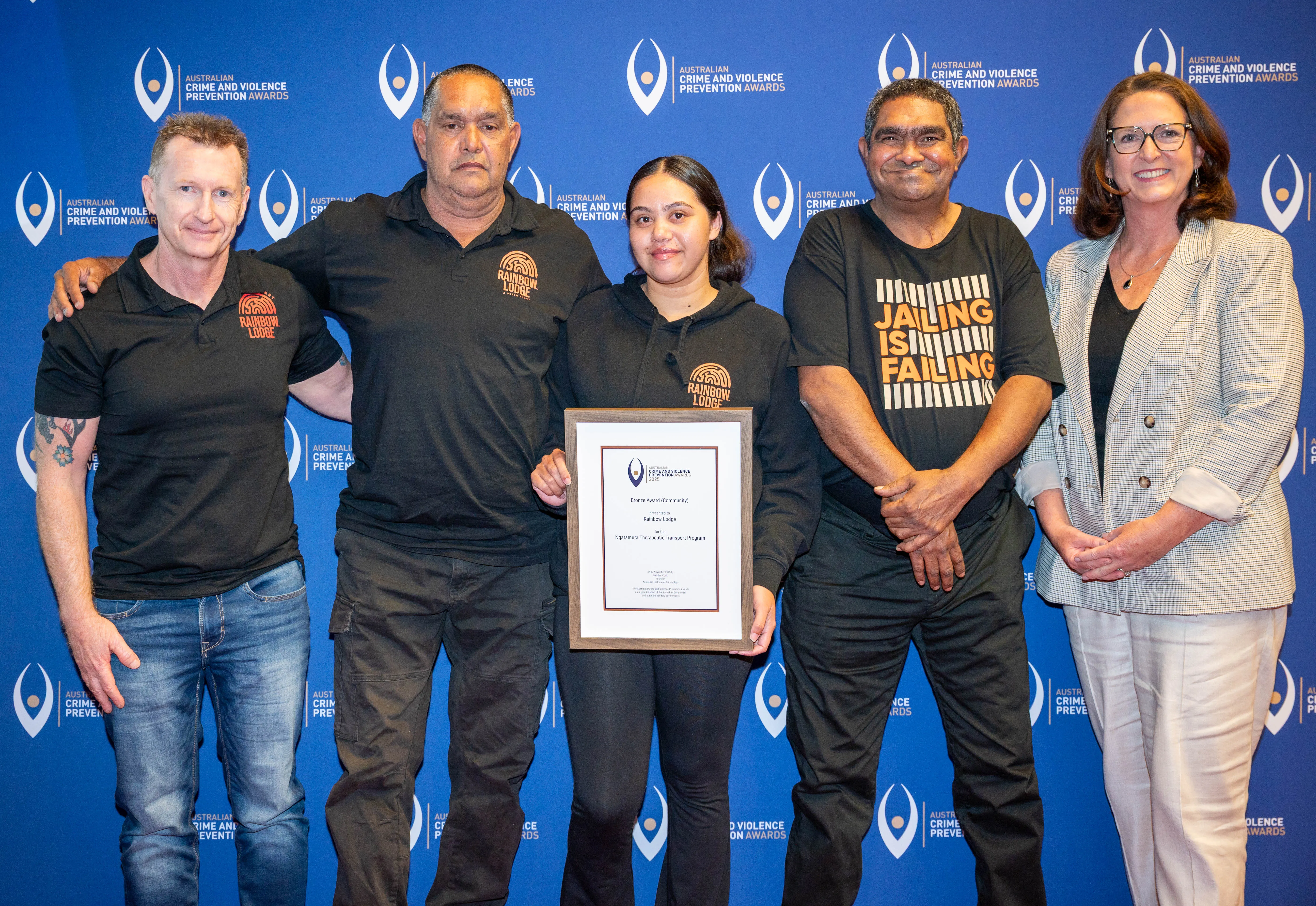
A support service transporting First Nations people from prison to treatment facilities will shut down after it ran out of funding.
Rainbow Lodge has been running the Ngaramura Transport Program in New South Wales with $200,000 in funding from NSW Aboriginal Affairs since 2024.
In the last 17 months, the organisation has transported nearly 150 First Nations people from prison to residential drug and alcohol rehabilitation centres or, in some cases, their family.
The service has transported nearly 150 people over 60,000km over the last 17 months.
The two-year funding was for the transportation of 140 people and has now been used up.
Unless the program receives further support from the government or private funders, it will no longer operate.
“Without more funding, 100 First Nations people will remain in custody every year instead of treatment, costing the community $7 million a year,” Rainbow Lodge manager Claude Robinson told About Time.
“Aboriginal women may be forced to give birth and have their children removed instead of being transported to an appropriate service.”
Courts are often reluctant to grant someone bail if they cannot show that they have proper transport to get to a treatment facility.
The Ngaramura Transport Program addresses this by offering transport across the state.
It is fully staffed by First Nations peer workers, and one in five of those who have accessed its services have been women.
Three of the women transported through the service were pregnant and were able to later give birth outside of prison.
During the journey, the peer workers engage the individual leaving prison in a process of storytelling, focused on Country and culture.
One peer worker for the service described how the journey can help someone coming out of prison.
“It was transformative to see how [they] changed in seeing the landscape and how flat it was,” they said.
“I described how it changes and showed them scar trees, so it sparked a conversation about bringing them back to Culture.
“We go on to different Mob’s Country – you talk about the borders and rivers and bring it back to a cultural conversation. They probably haven’t had that conversation in their lives.”
A support service transporting First Nations people from prison to treatment facilities will shut down after it ran out of funding.
Rainbow Lodge has been running the Ngaramura Transport Program in New South Wales with $200,000 in funding from NSW Aboriginal Affairs since 2024.
In the last 17 months, the organisation has transported nearly 150 First Nations people from prison to residential drug and alcohol rehabilitation centres or, in some cases, their family.
The service has transported nearly 150 people over 60,000km over the last 17 months.
The two-year funding was for the transportation of 140 people and has now been used up.
Unless the program receives further support from the government or private funders, it will no longer operate.
“Without more funding, 100 First Nations people will remain in custody every year instead of treatment, costing the community $7 million a year,” Rainbow Lodge manager Claude Robinson told About Time.
“Aboriginal women may be forced to give birth and have their children removed instead of being transported to an appropriate service.”
Courts are often reluctant to grant someone bail if they cannot show that they have proper transport to get to a treatment facility.
The Ngaramura Transport Program addresses this by offering transport across the state.
It is fully staffed by First Nations peer workers, and one in five of those who have accessed its services have been women.
Three of the women transported through the service were pregnant and were able to later give birth outside of prison.
During the journey, the peer workers engage the individual leaving prison in a process of storytelling, focused on Country and culture.
One peer worker for the service described how the journey can help someone coming out of prison.
“It was transformative to see how [they] changed in seeing the landscape and how flat it was,” they said.
“I described how it changes and showed them scar trees, so it sparked a conversation about bringing them back to Culture.
“We go on to different Mob’s Country – you talk about the borders and rivers and bring it back to a cultural conversation. They probably haven’t had that conversation in their lives.”
The Ngaramura program has been widely recognised for its success and importance.
It is highly valued among organisations working with people in prison and leaving custody.
“In a perfect world we would get it for every client,” one Aboriginal Legal Service NSW/ACT lawyer said.
According to a cost-benefit analysis of the program that Rainbow Lodge commissioned, for every one dollar invested, the state government receives $3.90 in benefits, mainly through reducing the time someone spends in custody.
It found that completion rates among people who have accessed the program are 60 per cent, far higher than the state average of 30 per cent.
Those who have received the transport may also receive a shorter sentence, or receive no prison time, as they have been able to complete a drug or alcohol program.
The Ngaramura program has been widely recognised for its success and importance.
It is highly valued among organisations working with people in prison and leaving custody.
“In a perfect world we would get it for every client,” one Aboriginal Legal Service NSW/ACT lawyer said.
According to a cost-benefit analysis of the program that Rainbow Lodge commissioned, for every one dollar invested, the state government receives $3.90 in benefits, mainly through reducing the time someone spends in custody.
It found that completion rates among people who have accessed the program are 60 per cent, far higher than the state average of 30 per cent.
Those who have received the transport may also receive a shorter sentence, or receive no prison time, as they have been able to complete a drug or alcohol program.


