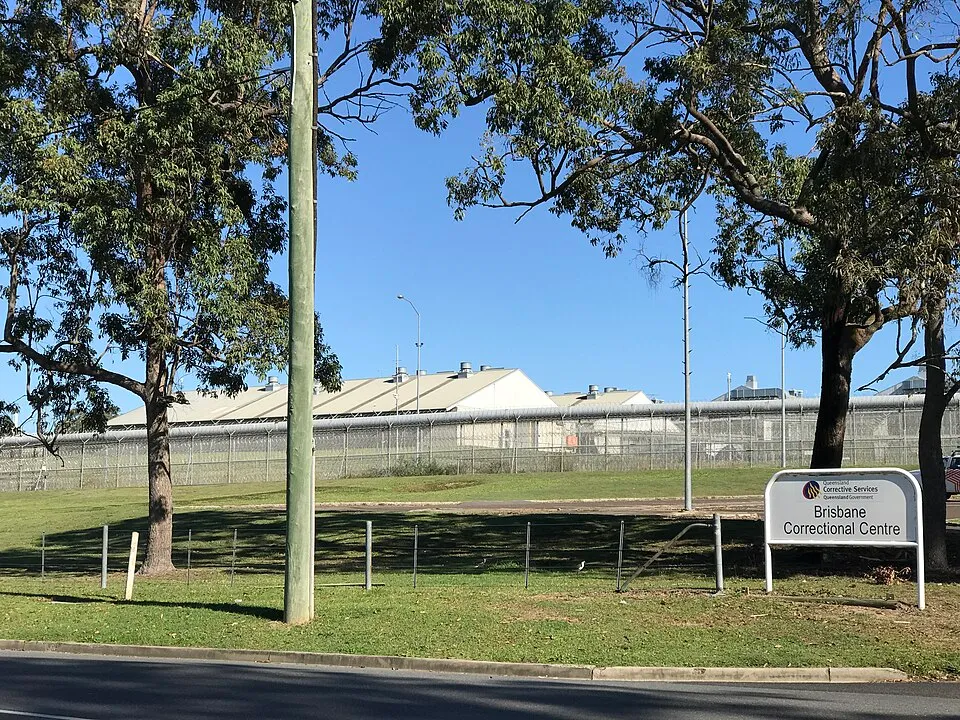
Nearly one in three people incarcerated in Queensland are eligible for parole but yet to be released, a new report has found.
An independent review of the parole process in Queensland, commissioned by the state government and released last week, found a broad range of issues contributing to the state's skyrocketing prison population.
The Queensland government has rejected outright 15 of the review’s 46 recommendations, and announced plans to expand the blocking of parole for certain inmates, which the report did not recommend.
The parole review, conducted by Peter Hastie KC, found that prisons in the state have been far over capacity in recent years, leading to people sleeping on mattresses on cell floors, bunk beds being built and a reduction in the number of hours people are let out of their cells.
“None of this is conducive to either good behaviour in prisons, rehabilitation or a good attitude after release,” the report said.
Delays and Deferrals
It found that delays in assessing parole applications and the use of deferrals was contributing to this overcrowding because people were kept prison when they didn’t need to be.
As of last year, there were 1,809 people in prison who were eligible for parole out of a total of 6,460 people in prison – 28 per cent of the prison population.
While there are a number of reasons why someone may not have been able to access parole, the report found these figures "staggering", and noted:
“This is truly remarkable in a society where personal liberty is valued.”
The report continued: “[t]he delay in releasing a prisoner into the community is also inconsistent with the view that parole provides some assistance in conditioning a prisoner back into the community, and therefore is of some value in reducing reoffending and antisocial behaviour.”
A key reason why the Parole Board denies parole is that someone does not have access to “suitable” accommodation in the community.
The Queensland parole process involves an accommodation suitability report, which consists of five yes or no questions, with no room to elaborate on any potential concerns or to explore alternative housing.
If the report finds that the accommodation is unsuitable, the board will deny parole or defer the decision. The review found that these assessments should be scrapped, and a wider report should be produced that incorporates any potential concerns around housing.
There are also long waitlists for people in prison to access the programs that are sometimes needed to be granted parole.
As of last year, there were 5,000 people on a waitlist for general programs, 776 for sexual offending-related programs and more than 6,000 for substance abuse programs.
Insisting on people having completed these programs before being released is “unrealistic” and “bound to lead to refusal”, the report said, and program requirements should be tailored to individuals.
The Queensland Government’s Response
In its response to the review, the Queensland government did not support nearly a third of the recommendations, saying it would not support those that “do not prioritise community safety and the rights of victims”.
The Queensland government rejected the review’s recommendation to allow people on remand to apply for parole, for the parole process to be started automatically, and to allow someone in prison to respond to any matter that procedural fairness requires them to have notice about.
It did support some changes, including to ensure that community safety is a “paramount consideration” in the parole process, for victims to be notified when parole is granted and for parole decisions to be published when this is in the public interest.
The Queensland government will also move to expand its restricted prisoner regime, which currently prevents those serving life sentences for certain murders from accessing parole.
Under this system, a “restricted prisoner declaration” can be made if it is “satisfied that it is in the public interest to do so”.
This will now apply to all people in Queensland prisons serving a life sentence.
This was not a recommendation from the review.
The Queensland Government’s Response
In its response to the review, the Queensland government did not support nearly a third of the recommendations, saying it would not support those that “do not prioritise community safety and the rights of victims”.
The Queensland government rejected the review’s recommendation to allow people on remand to apply for parole, for the parole process to be started automatically, and to allow someone in prison to respond to any matter that procedural fairness requires them to have notice about.
It did support some changes, including to ensure that community safety is a “paramount consideration” in the parole process, for victims to be notified when parole is granted and for parole decisions to be published when this is in the public interest.
The Queensland government will also move to expand its restricted prisoner regime, which currently prevents those serving life sentences for certain murders from accessing parole.
Under this system, a “restricted prisoner declaration” can be made if it is “satisfied that it is in the public interest to do so”.
This will now apply to all people in Queensland prisons serving a life sentence.
This was not a recommendation from the review.


