‘Keep Your Spirit Strong and Healthy’: Q&A With Hannah McGlade
Human rights lawyer and advocate Dr Hannah McGlade on deaths in custody, mass incarceration, and keeping Mob’s spirit strong inside


Your browser window currently does not have enough height, or is zoomed in too far to view our website content correctly. Once the window reaches the minimum required height or zoom percentage, the content will display automatically.
Alternatively, you can learn more via the links below.
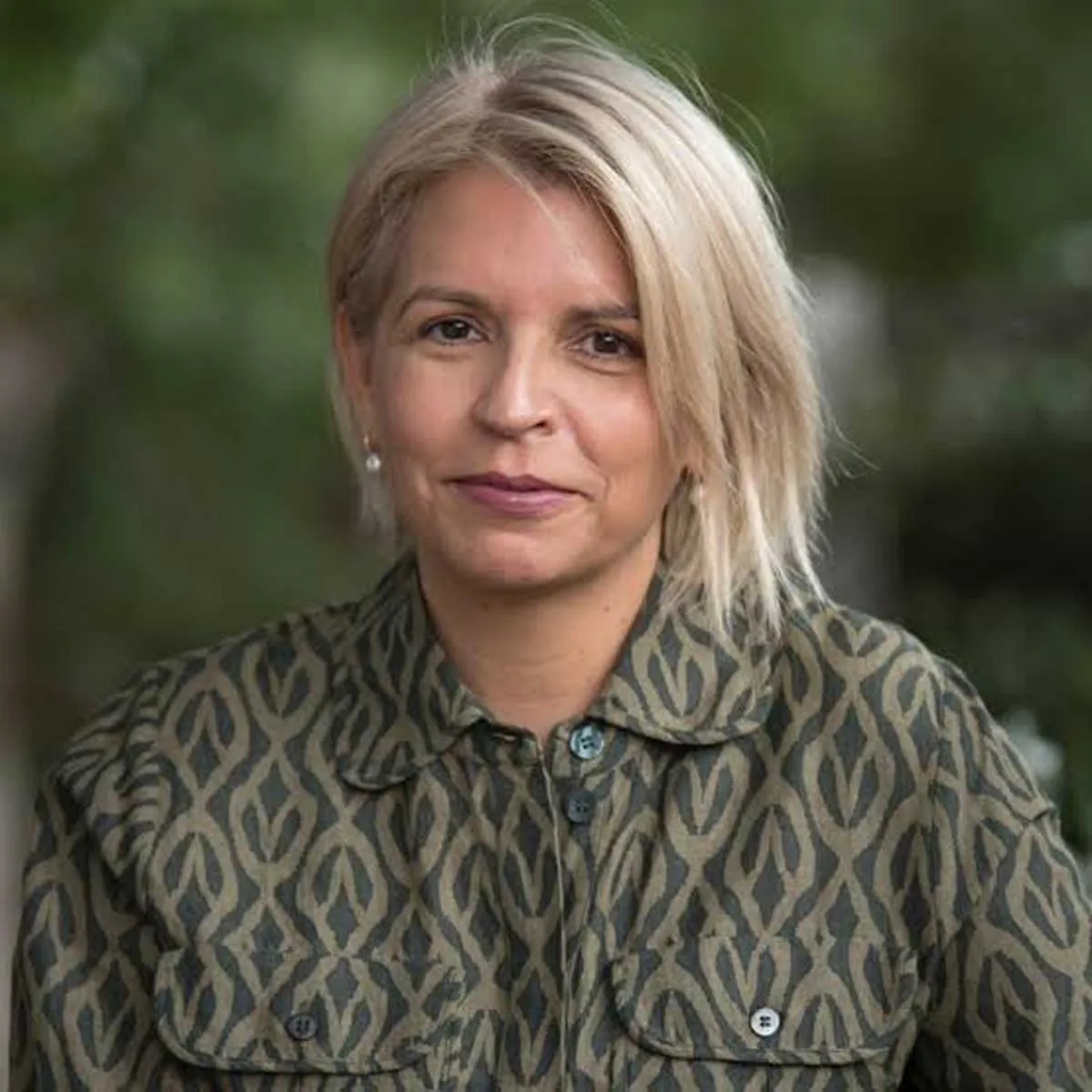
Dr Hannah McGlade is a Kurin Minang Noongar woman of the Bibulman nation, whose traditional lands are located on the south-western coast of Western Australia. She is a human rights lawyer, advocate and legal academic, focusing on First Nations human rights and the conditions for people in prison. She is currently an Associate Professor at the Curtin Law School at Curtin University in Western Australia.
In this interview with About Time, Hannah discusses what motivates her and her message to Mob in prison around the country.
I was a young person in the 1980s when the issue of Aboriginal deaths in custody was being highlighted, especially with the case of young John Pat, who died in Roebourne after a brutal bashing by off-duty police who were charged but acquitted by an all-white jury. He was only 16 years old when I was in high school and learnt of his death.
As Noongar people we took part in marches and called for a royal commission to stop Black deaths in custody.
Helen Corbett is a Noongar Yamatji woman who was a leader in this movement as well as Pat Dodson and local Noongar people who have passed away.
The mass incarceration and failure to implement the royal commission recommendations, especially that incarceration be a matter of last resort.
Indefinite detention, bail and remand issues, solitary confinement and children being criminalised are all serious
human rights issues that contribute to this national crisis which is only getting worse.
The Australian Law Reform Commission also highlighted the issues facing Aboriginal women, who have long been recognised as the fastest growing prison population in Australia. Aboriginal women are being racially profiled as perpetrators when they are using self-defence or retaliatory violence. They can also be charged and imprisoned for breach of restraining orders issued by police. Women are being separated from their children who are left endangered as a result. This has to stop.
The low age of criminal responsibility and mandatory detention laws mean we are incarcerating too many children and harming them as a result.
We need to invest into community responses instead. They are few and far between due to lack of government support.
What kind of government would prefer to incarcerate Aboriginal children than support alternatives in the community to keep them on the right path?
The children are vulnerable, with special needs, and have often been exposed to family violence, which is harmful.
Mandatory detention laws, especially for property offences, underline the very high rate of Aboriginal incarceration in WA. The High Risk Serious Offenders Act 2020 allows for indefinite detention and is largely used for Aboriginal prisoners.
The conditions in prisons, especially solitary confinement, are dangerous to peoples’ health and too often leading to suicides and deaths in custody. This is cruel and inhumane and breaching UN law.
There is a lack of re-integration support, and prisoners can be released with no supports in place, leading to re-offending and incarceration. This too often becomes a vicious cycle and is evidence of government neglect.
Aboriginal people have been strong in the face of colonisation, and we know that incarceration was one of the main tools of colonisation. This has never ended.
I believe that we need Aboriginal people who are in prison to lead a movement from the outside to fight against mass incarceration and human rights abuse.
Keep your spirit strong and healthy. If arts or music make you happy, do that. If education is in your reach, I encourage it. Always have a yarn with friends or family when you’re down.
Dr Hannah McGlade is a Kurin Minang Noongar woman of the Bibulman nation, whose traditional lands are located on the south-western coast of Western Australia. She is a human rights lawyer, advocate and legal academic, focusing on First Nations human rights and the conditions for people in prison. She is currently an Associate Professor at the Curtin Law School at Curtin University in Western Australia.
In this interview with About Time, Hannah discusses what motivates her and her message to Mob in prison around the country.
I was a young person in the 1980s when the issue of Aboriginal deaths in custody was being highlighted, especially with the case of young John Pat, who died in Roebourne after a brutal bashing by off-duty police who were charged but acquitted by an all-white jury. He was only 16 years old when I was in high school and learnt of his death.
As Noongar people we took part in marches and called for a royal commission to stop Black deaths in custody.
Helen Corbett is a Noongar Yamatji woman who was a leader in this movement as well as Pat Dodson and local Noongar people who have passed away.
The mass incarceration and failure to implement the royal commission recommendations, especially that incarceration be a matter of last resort.
Indefinite detention, bail and remand issues, solitary confinement and children being criminalised are all serious
human rights issues that contribute to this national crisis which is only getting worse.
The Australian Law Reform Commission also highlighted the issues facing Aboriginal women, who have long been recognised as the fastest growing prison population in Australia. Aboriginal women are being racially profiled as perpetrators when they are using self-defence or retaliatory violence. They can also be charged and imprisoned for breach of restraining orders issued by police. Women are being separated from their children who are left endangered as a result. This has to stop.
The low age of criminal responsibility and mandatory detention laws mean we are incarcerating too many children and harming them as a result.
We need to invest into community responses instead. They are few and far between due to lack of government support.
What kind of government would prefer to incarcerate Aboriginal children than support alternatives in the community to keep them on the right path?
The children are vulnerable, with special needs, and have often been exposed to family violence, which is harmful.
Mandatory detention laws, especially for property offences, underline the very high rate of Aboriginal incarceration in WA. The High Risk Serious Offenders Act 2020 allows for indefinite detention and is largely used for Aboriginal prisoners.
The conditions in prisons, especially solitary confinement, are dangerous to peoples’ health and too often leading to suicides and deaths in custody. This is cruel and inhumane and breaching UN law.
There is a lack of re-integration support, and prisoners can be released with no supports in place, leading to re-offending and incarceration. This too often becomes a vicious cycle and is evidence of government neglect.
Aboriginal people have been strong in the face of colonisation, and we know that incarceration was one of the main tools of colonisation. This has never ended.
I believe that we need Aboriginal people who are in prison to lead a movement from the outside to fight against mass incarceration and human rights abuse.
Keep your spirit strong and healthy. If arts or music make you happy, do that. If education is in your reach, I encourage it. Always have a yarn with friends or family when you’re down.
Most of the art featured at Boom Gate Gallery is made at Long Bay Gaol, with some coming from other prisons in NSW.
You’ve probably heard of AFL legends Adam Goodes and Michael O’Loughlin. But what you might not know, is that they also started their own charity called the GO Foundation.
NAAJA has a 50-year history of serving Aboriginal Territorians as they navigate the justice system.
Tracy was one of many women released from prison straight into homelessness. Thanks to the Homeward Sisters program, Tracy was able to secure priority housing that meets her needs.