Getting Your ID While You’re in Prison
A new report has shone a light on the importance of having identification before you leave prison.
Ethan Cassidy


Your browser window currently does not have enough height, or is zoomed in too far to view our website content correctly. Once the window reaches the minimum required height or zoom percentage, the content will display automatically.
Alternatively, you can learn more via the links below.
Something as simple as having a photo ID can have a profound impact.
It can be the difference between being locked out of essential services and having a genuine opportunity to reconnect with family, find work, secure housing and rebuild after leaving prison.
ICAN is on a mission to improve financial inclusion and reduce barriers to successful reintegration for First Nations people leaving prison.
We have just released the landmark Prison ID Project Research Report based on our work at Lotus Glen Correctional Centre, exploring the significant challenges that Aboriginal and Torres Strait Islander men face in getting identification, such as a drivers licence or birth certificate.
A lack of ID can have far-reaching impacts on housing, employment, banking, transport, healthcare and community participation.
The report is based on the lived experience of First Nations men in custody in Queensland.
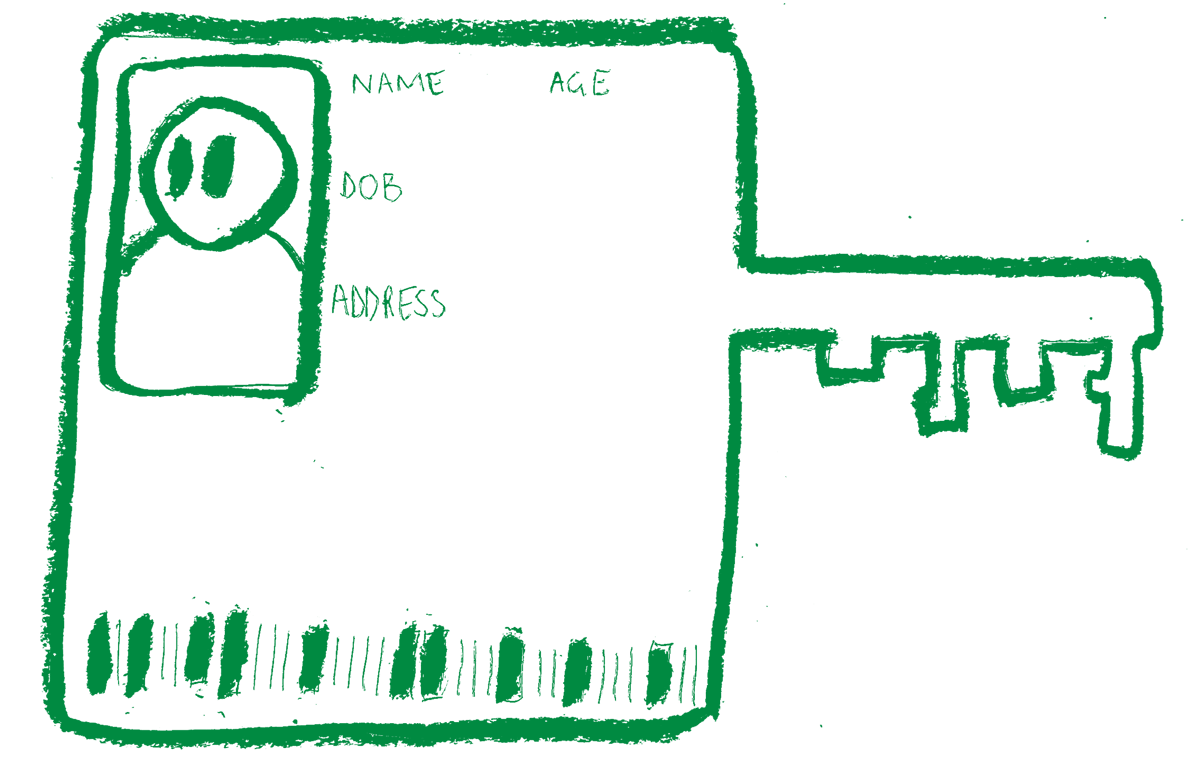
It found that ID is far more than just an administrative document. It is the key that unlocks access to everyday life.
The report found that:
It also found that there is a big emotional impact that comes with living without an ID, with participants describing feelings of shame, helplessness and invisibility while having to rely heavily on family members just to access basic services.
ICAN Prison Project Coordinator Sharon Edwards said the research grew directly from years of listening to the stories of First Nations men during financial counselling sessions inside correctional centres.
“Over the years we’ve learned that conversations about money almost always lead to conversations about identity, opportunity and belonging,” Edwards said.
“Men repeatedly told us they couldn’t access banking, housing, employment or even a mobile phone because they didn’t have identification. We knew these weren’t isolated stories – they pointed to a much larger systemic issue.”
ICAN has also created a pilot project to help men in Lotus Glen Correctional Centre get a Queensland government-issued photo ID before they are released from prison.
The Prison ID Project has already supported more than 600 people to get an ID. The aim of the project and the research is to highlight the need for funding of ID for all people leaving prison.
Edwards said that this work and the report is only possible with the collaboration with people in prison.
“This report belongs to the men who generously shared their experiences, the Queensland Corrective Services staff who supported the research, and our partners who believed this issue deserved national attention,” she said.
“We hope these findings will lead to practical reforms that give people the tools they need to successfully rebuild their lives.”
A number of pieces of art by First Nations who are incarcerated in Canberra, or have previously been, are on display for the public as part of a new exhibition.
If you apply for a job, you might be told to complete a criminal record check. This provides a document summarising any criminal history that can then be given to a potential employer.
Most of the art featured at Boom Gate Gallery is made at Long Bay Gaol, with some coming from other prisons in NSW.
You’ve probably heard of AFL legends Adam Goodes and Michael O’Loughlin. But what you might not know, is that they also started their own charity called the GO Foundation.