Welcome to About Time

About Time is the national newspaper for Australian prisons and detention facilities

Your browser window currently does not have enough height, or is zoomed in too far to view our website content correctly. Once the window reaches the minimum required height or zoom percentage, the content will display automatically.

Alternatively, you can learn more via the links below.

Donations via GiveNow

Email

Instagram

LinkedIn

ISSUE NO. 18
January 2026
Donate Here

Learn

National Dishes From Around the World
By
Shae Wiedermann

Shae Wiedermann is a writer and editor based in Naarm, Melbourne.

John Aledia via Unsplash

Have you ever heard of a national dish? No doubt you’re aware of a national anthem or a national flag, but what is a national dish?

National dishes represent a country’s culinary culture.

Some countries have officially designated national dishes, while others have unofficial dishes that are widely considered to be the national dish. Additionally, some countries have too diverse a population, food, or cultural practices to have one or two national dishes that represent them.

So, which countries have official and unofficial national dishes, and what are they?

John Aledia via Unsplash

Thailand

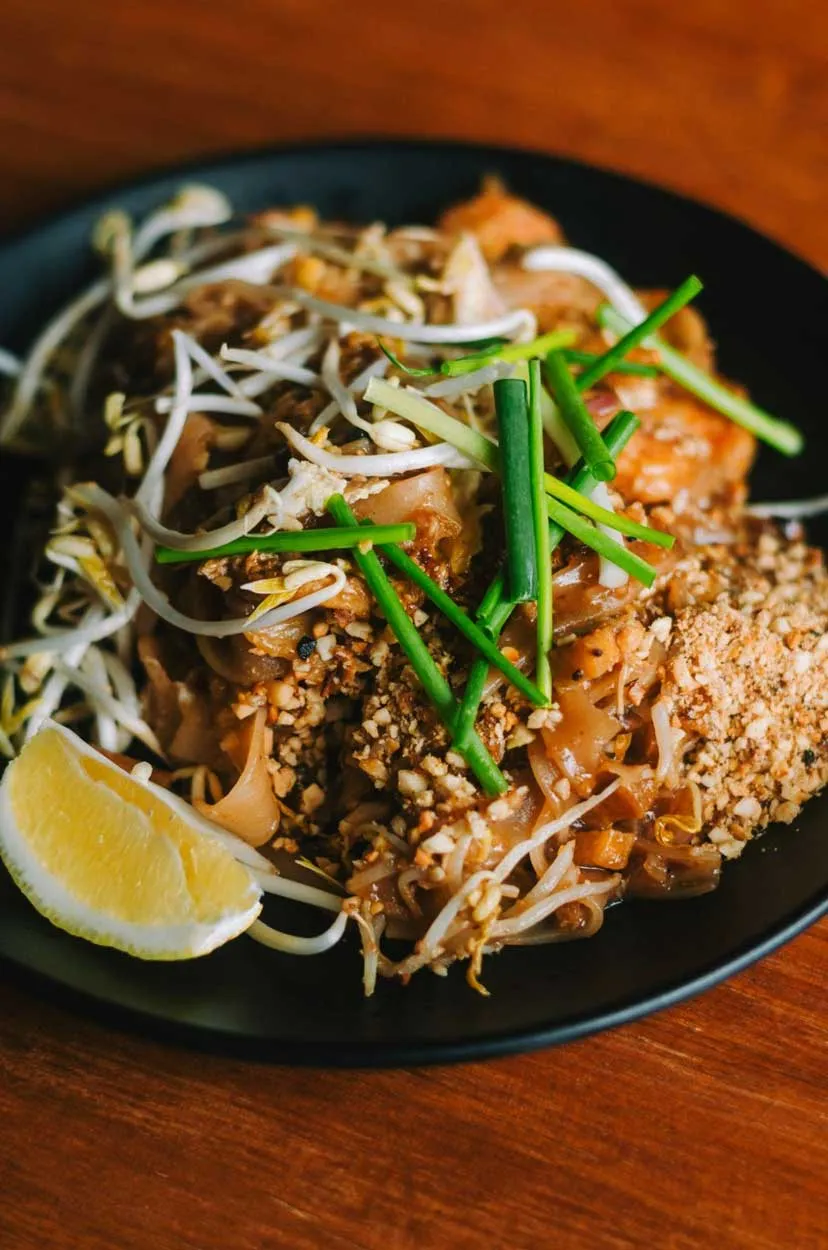
It mightn’t come as a shock that Thailand’s national dish is Pad Thai – it’s in the name after all.

Flat rice noodles, protein (such as chicken, shrimp or tofu), a sweet, salty and sour sauce, and vegetables combine in this flavourful dish.

The famous dish was born during the height of World War II and was created by the then-Prime Minister of Thailand, who actually declared the dish to be the national dish of Thailand.
Silvia Trigo via Unsplash

Peru

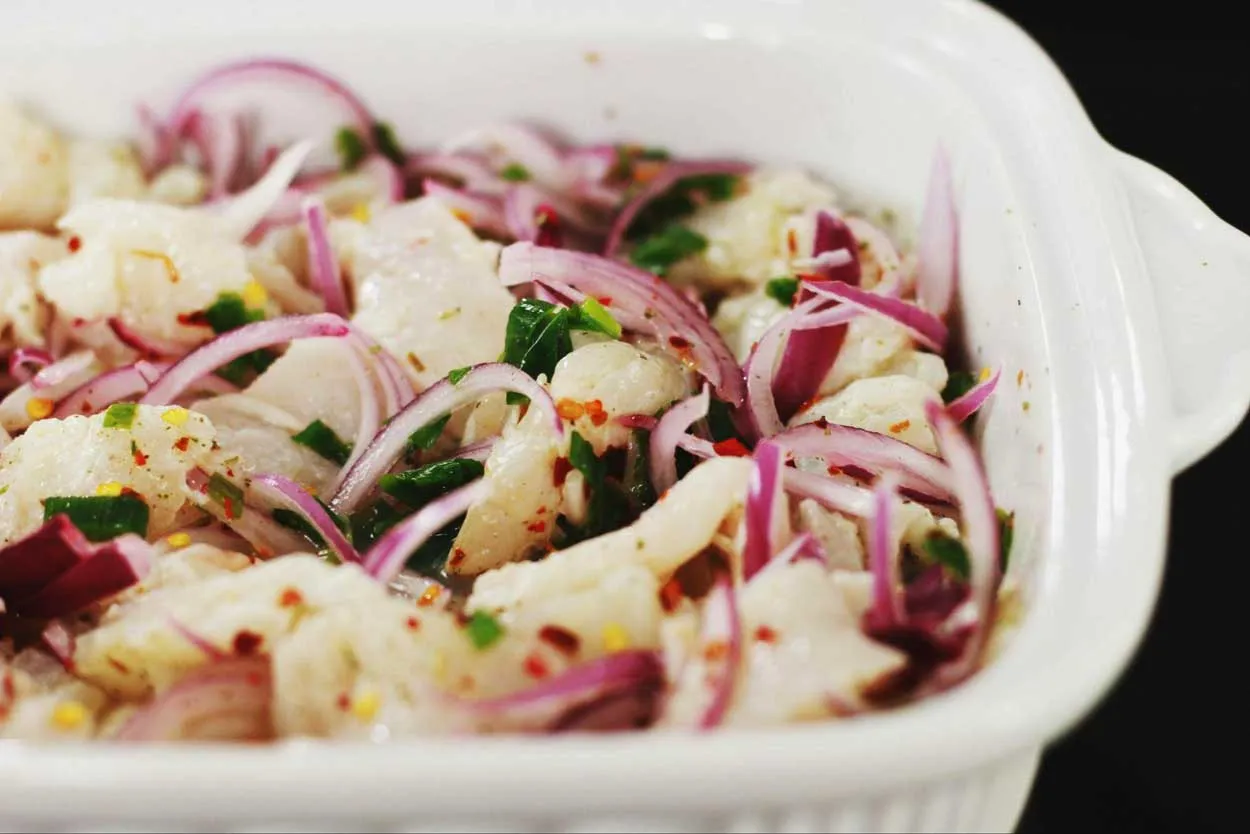
Ceviche, a cold dish made from soaking raw fish or shellfish in lime or lemon juice, is Peru’s national dish. There are many variations of the dish, but it often features sliced onion, corn, chilli and herbs.

The Peruvian government declared it the official national dish in 2004, and a National Ceviche Day is even celebrated on June 28.
Mirela Andoni

Albania

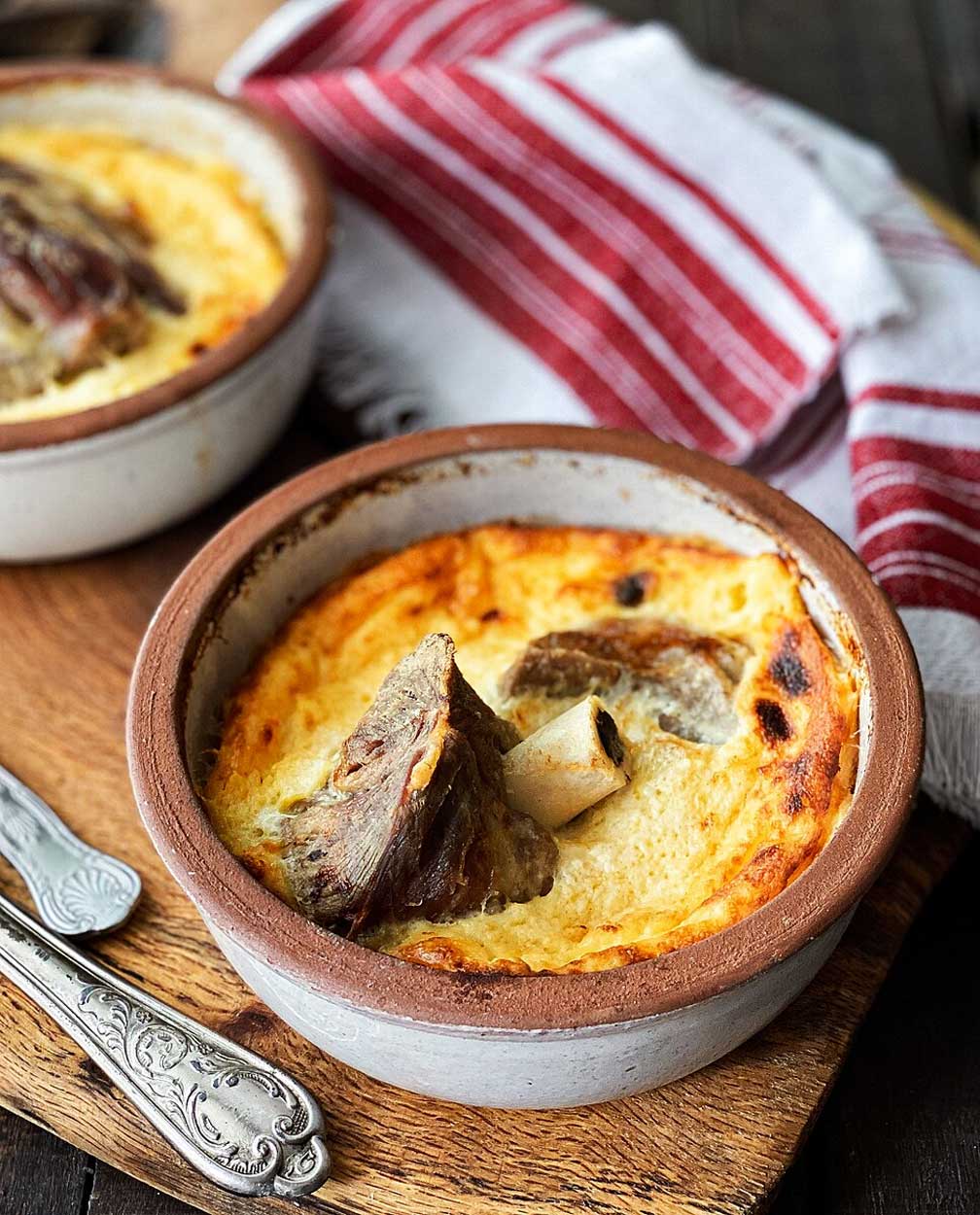
Tavë kosi is the national dish of the Balkan country. It is a baked casserole of lamb and rice topped with a yoghurt and egg sauce.

There has been no official declaration regarding this, but tavë kosi is widely considered by Albanians to be the country’s national dish.

withlovefromchile via Unsplash

Canada

Poutine – French fries topped with cheese and gravy – is widely considered Canada’s unofficial national dish.

The dish originated in Quebec in the late 1950s and gained popularity throughout the country.

Many still consider Canada to be too diverse to have just one national dish representing the entire country, however, and poutine remains “unofficial” in this regard.
Douglas Lopez via Unsplash

Spain

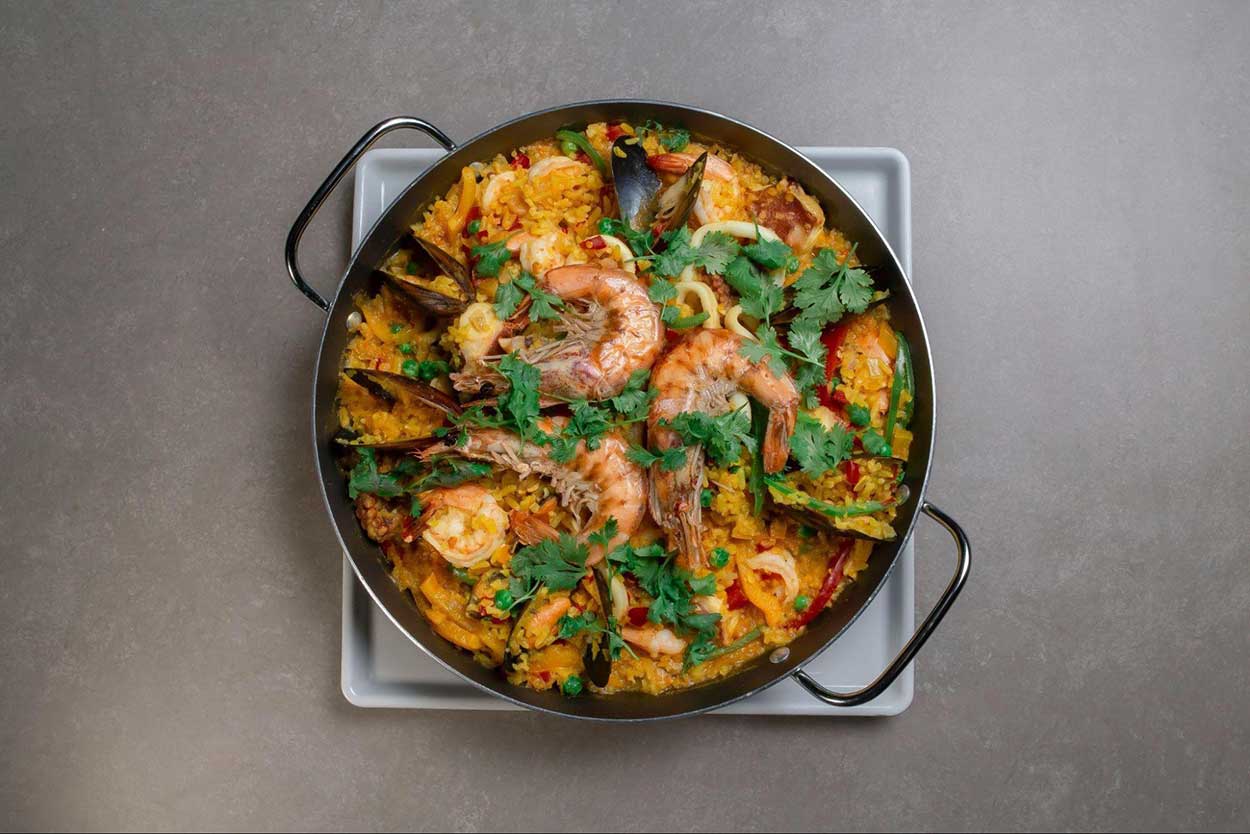
Originating from the Valencia region, paella consists of short-grain rice, vegetables and meat infused with saffron.

There are many variations, including seafood paella, chicken paella and rabbit paella.

The name comes from the flat, round pan it’s cooked in, which is called a “paellera” in Valencian and Catalan.

It hasn’t been declared an official national dish, representing more the Valencia region than the entire country. Still, it is undoubtedly one of Spain’s most well-known dishes, especially among non-Spaniards.
Daniel via Unsplash

South Korea

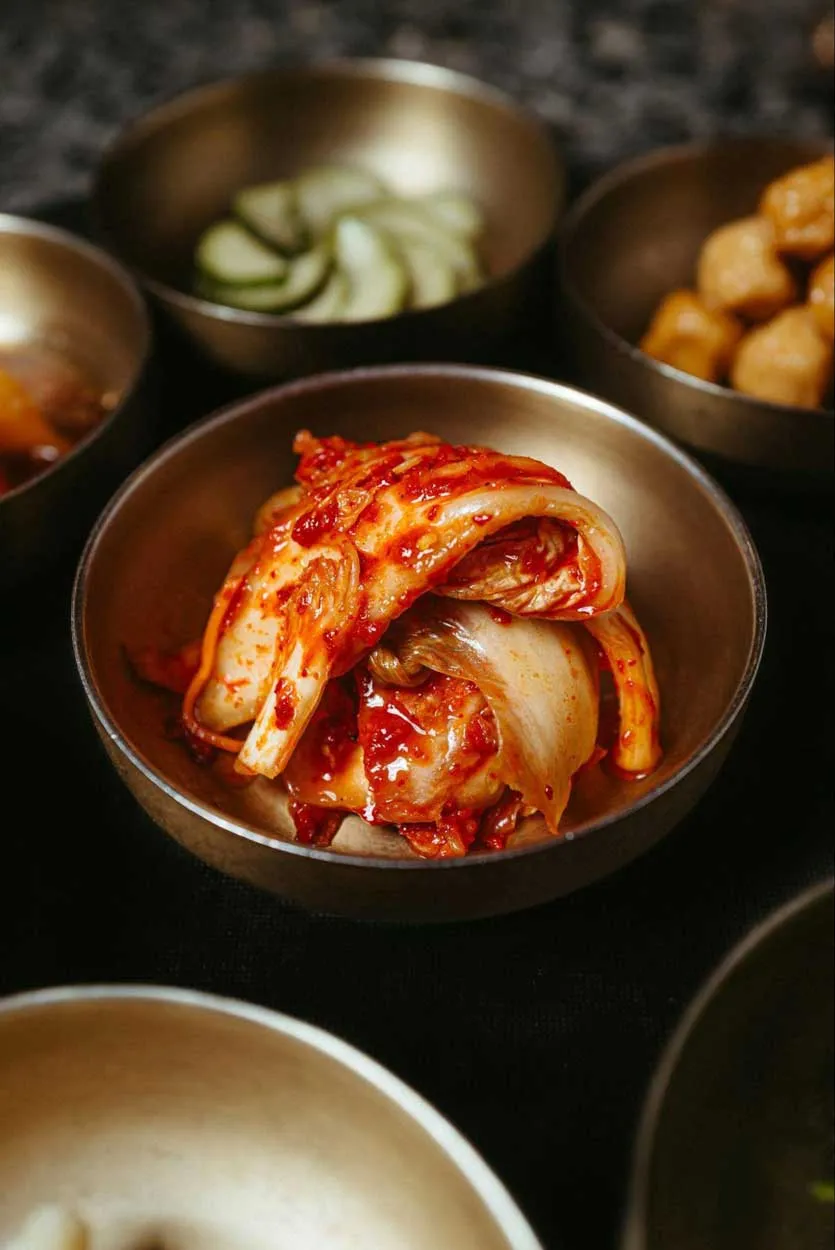
Kimchi is widely regarded as the national dish of South Korea.

It is a side dish made from salted and fermented cabbage, seasoned with spices. Kimchi is a staple in Korean cooking and eating practices, and is known for its health benefits due to the probiotic bacteria that evolve in the fermentation process.

The good-for-your-gut food has been recognised as a vital part of Korean cultural identity, and was even sent to space with South Korea’s first astronaut.
Shae Wiedermann

Iceland

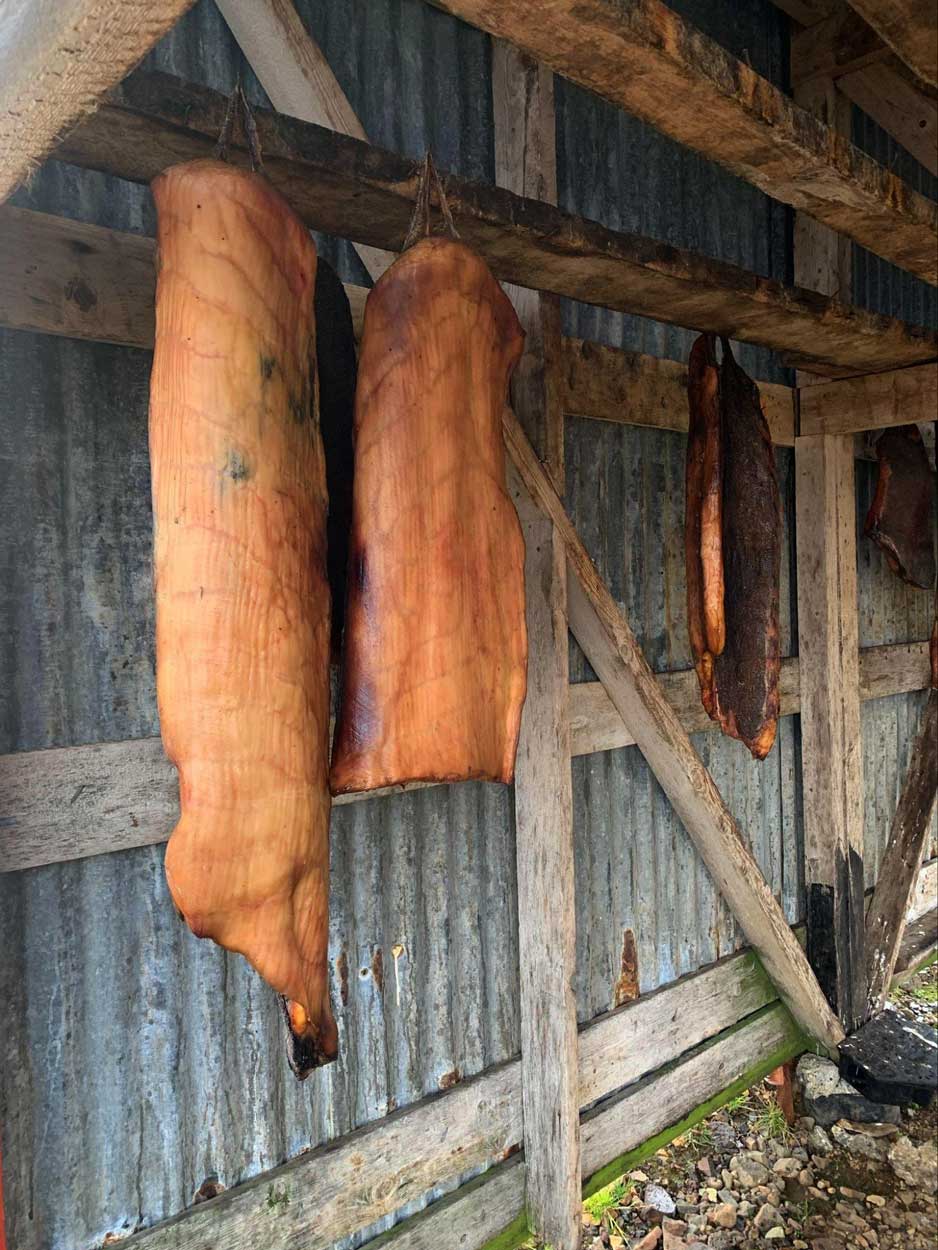
While there is no official national dish of Iceland, the cold country has a popular dish called Hákarl, which is made from preserved Greenland shark.

The meat of a Greenland shark is poisonous if it’s eaten raw, due to its high urea content. The traditional Icelandic people found a way around this, however.

The meat is buried for several months to ferment it and drain it of toxins, before being hung to dry for another several months.

The result is a very strong-flavoured meat, loved by some and hated by others.
Raman via Unsplash

England

As an incredibly diverse country, England doesn’t have an official national dish, although there are two widely considered top contenders for the title, and one might surprise you.

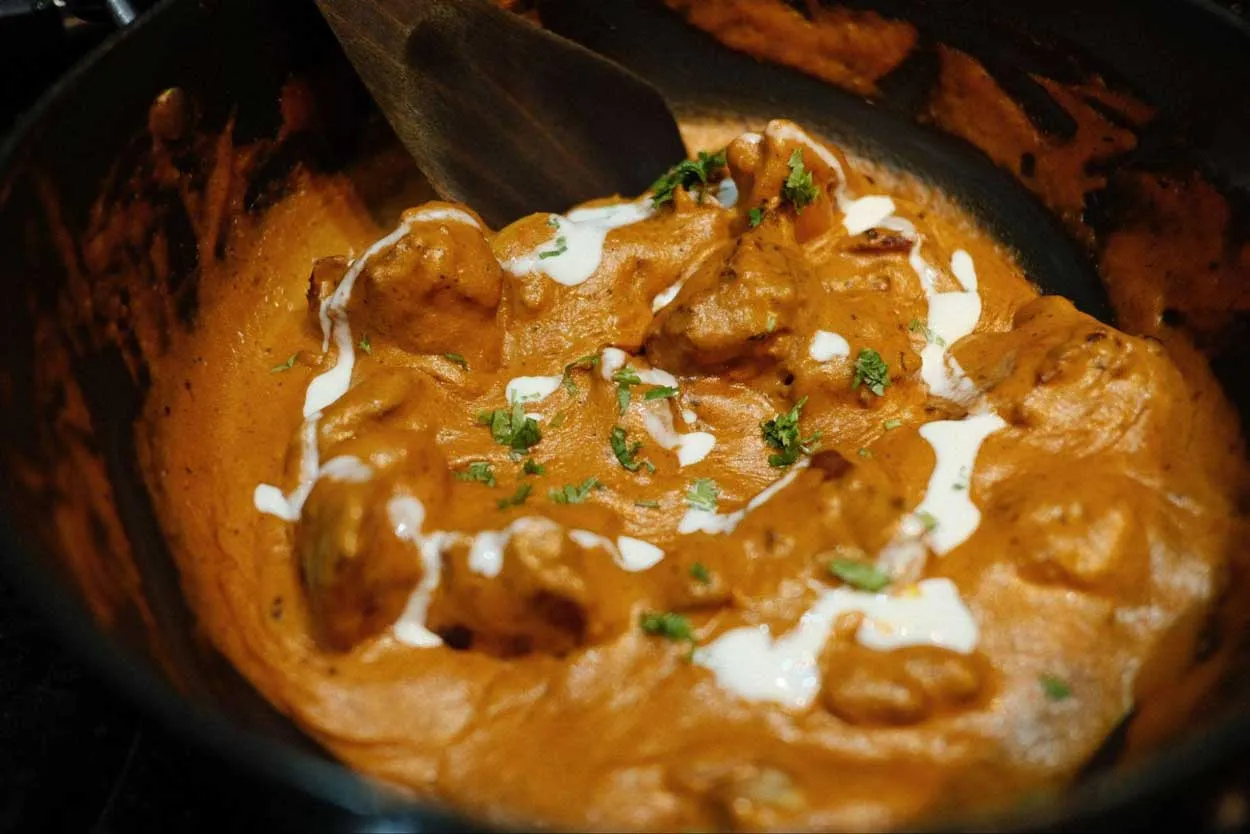
The first is fish and chips, which is not entirely out of place for an island country. The second is Chicken Tikka Masala.

Chicken Tikka Masala was born from Indian influence and is very popular throughout the country. It is considered representative of the nation’s multiculturalism.

Have you ever heard of a national dish? No doubt you’re aware of a national anthem or a national flag, but what is a national dish?

National dishes represent a country’s culinary culture.

Some countries have officially designated national dishes, while others have unofficial dishes that are widely considered to be the national dish. Additionally, some countries have too diverse a population, food, or cultural practices to have one or two national dishes that represent them.

So, which countries have official and unofficial national dishes, and what are they?

John Aledia via Unsplash

Thailand

It mightn’t come as a shock that Thailand’s national dish is Pad Thai – it’s in the name after all.

Flat rice noodles, protein (such as chicken, shrimp or tofu), a sweet, salty and sour sauce, and vegetables combine in this flavourful dish.

The famous dish was born during the height of World War II and was created by the then-Prime Minister of Thailand, who actually declared the dish to be the national dish of Thailand.

Silvia Trigo via Unsplash

Peru

Ceviche, a cold dish made from soaking raw fish or shellfish in lime or lemon juice, is Peru’s national dish. There are many variations of the dish, but it often features sliced onion, corn, chilli and herbs.

The Peruvian government declared it the official national dish in 2004, and a National Ceviche Day is even celebrated on June 28.

Mirela Andoni

Albania

Tavë kosi is the national dish of the Balkan country. It is a baked casserole of lamb and rice topped with a yoghurt and egg sauce.

There has been no official declaration regarding this, but tavë kosi is widely considered by Albanians to be the country’s national dish.

withlovefromchile via Unsplash

Canada

Poutine – French fries topped with cheese and gravy – is widely considered Canada’s unofficial national dish.

The dish originated in Quebec in the late 1950s and gained popularity throughout the country.

Many still consider Canada to be too diverse to have just one national dish representing the entire country, however, and poutine remains “unofficial” in this regard.

Douglas Lopez via Unsplash

Spain

Originating from the Valencia region, paella consists of short-grain rice, vegetables and meat infused with saffron.

There are many variations, including seafood paella, chicken paella and rabbit paella.

The name comes from the flat, round pan it’s cooked in, which is called a “paellera” in Valencian and Catalan.

It hasn’t been declared an official national dish, representing more the Valencia region than the entire country. Still, it is undoubtedly one of Spain’s most well-known dishes, especially among non-Spaniards.

Daniel via Unsplash

South Korea

Kimchi is widely regarded as the national dish of South Korea.

It is a side dish made from salted and fermented cabbage, seasoned with spices. Kimchi is a staple in Korean cooking and eating practices, and is known for its health benefits due to the probiotic bacteria that evolve in the fermentation process.

The good-for-your-gut food has been recognised as a vital part of Korean cultural identity, and was even sent to space with South Korea’s first astronaut.

Shae Wiedermann

Iceland

While there is no official national dish of Iceland, the cold country has a popular dish called Hákarl, which is made from preserved Greenland shark.

The meat of a Greenland shark is poisonous if it’s eaten raw, due to its high urea content. The traditional Icelandic people found a way around this, however.

The meat is buried for several months to ferment it and drain it of toxins, before being hung to dry for another several months.

The result is a very strong-flavoured meat, loved by some and hated by others.

Raman via Unsplash

England

As an incredibly diverse country, England doesn’t have an official national dish, although there are two widely considered top contenders for the title, and one might surprise you.

The first is fish and chips, which is not entirely out of place for an island country. The second is Chicken Tikka Masala.

Chicken Tikka Masala was born from Indian influence and is very popular throughout the country. It is considered representative of the nation’s multiculturalism.

Nine Things I Learned From Reading Last Month

By Jeffrey

Franz Kafka, the famous Czech writer, never married but was engaged numerous times. He would write to his first fiancee, Felice, 2, 3 or 4 letters daily when he was working in Prague and she was living in Berlin. By Kafka’s own reckoning, he wrote to her perhaps 500 letters.

Learn

ISSUE NO. 20

2 MIN READ

Exploring the World Through Animal Senses

By Shae Wiedermann

Humans have five traditional senses: sight, sound, smell, touch and taste. We go about the world using these senses to guide us, and we are heavily reliant on vision as our primary and dominant sense.

Learn

ISSUE NO. 19

4 MIN READ

Christmas, Hanukkah and Other Celebrations in December

By About Time

While you may have heard of Christmas and Hanukkah, did you know that there’s also an important Buddhist celebration and a Wiccan festival in the same month?

Learn

ISSUE NO. 17

2 MIN READ

Learn Sign Language!

By About Time, with help with DeafNav and BetterHelp

There is a common myth around the world that there is one universal sign language that Deaf people use to communicate. But this is far from the truth – there are many sign languages!

Learn

ISSUE NO. 16

2 MIN READ