Welcome to About Time

About Time is the national newspaper for Australian prisons and detention facilities

Your browser window currently does not have enough height, or is zoomed in too far to view our website content correctly. Once the window reaches the minimum required height or zoom percentage, the content will display automatically.

Alternatively, you can learn more via the links below.

Donations via GiveNow

Email

Instagram

LinkedIn

ISSUE NO. 15
October 2025
Donate Here

Learn

Gods, Battles and Hidden Messages: An Intro to Greek Mythology

Ethan Cassidy
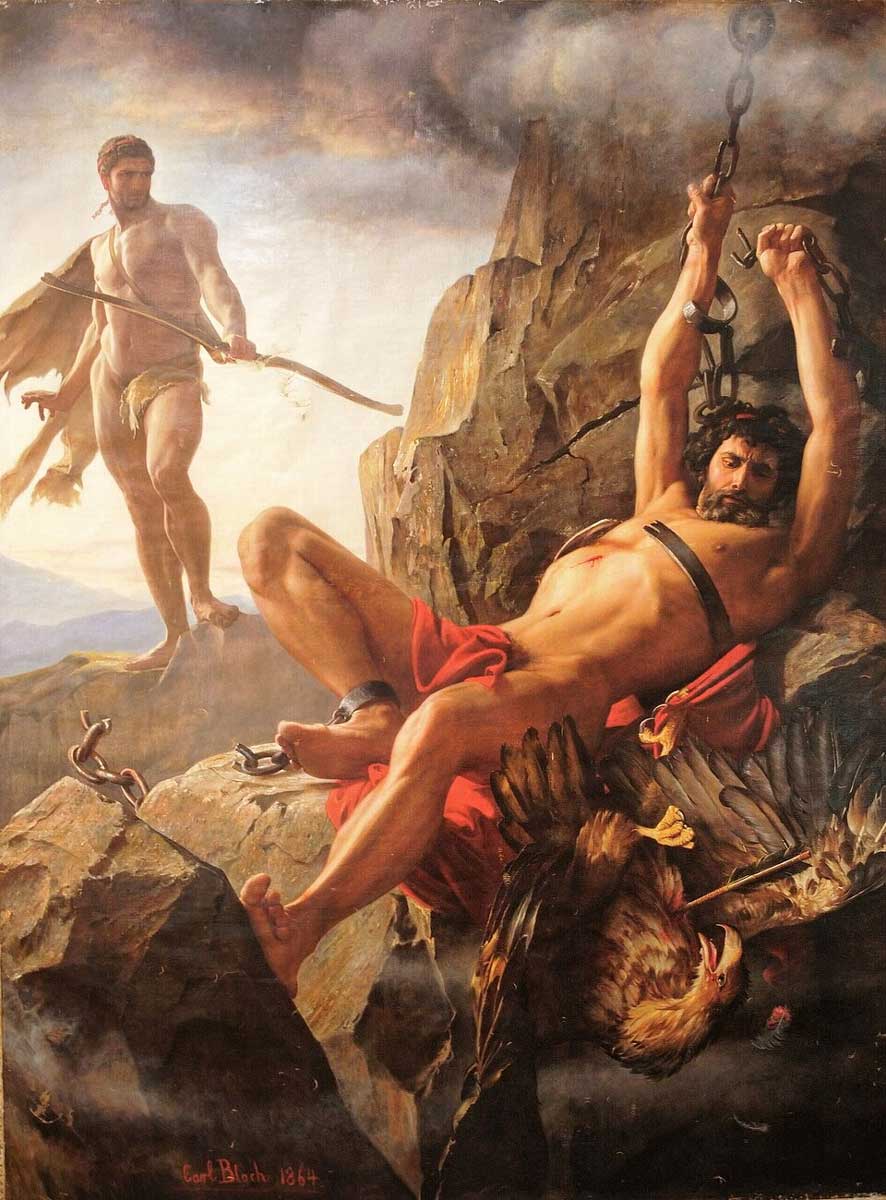
The Release of Prometheus, 1864 oil on canvas by Carl Bloch, Athens

What Is Greek Mythology?

Greek mythology is a collection of stories about gods, heroes, monsters, and the beliefs of Ancient Greece. The myths often include battles and adventures, and they taught lessons about bravery, love, intelligence, morality and more.

These stories were created by the Ancient Greeks, developed over centuries and passed down through generations. They used these stories to explain things happening in the world around them, like storms or earthquakes. That’s why they had many different gods – for the sky, the sea, the forests, and even heroes who were half-human and half-god. Greek gods are not necessarily ‘good’ like many modern conceptions of ‘god’ tend to be. Instead, they are often flawed and obsessed with power. The Greeks therefore believed that the gods could be rewarded or punished for their actions, just like people.

It’s hard to know exactly when Greek mythology started, but we know it’s very old – about 4,000 years old! Despite this, the stories are still widely told and adapted to this day, and have been depicted in paintings, plays, books, movies, video games and hold many lessons for modern times.

Greek mythology includes many stories – it would take hundreds of editions of About Time to tell them all! We can include here short summaries of a few famous Greek myths. Maybe you’ve heard of some of them (or some gods!).
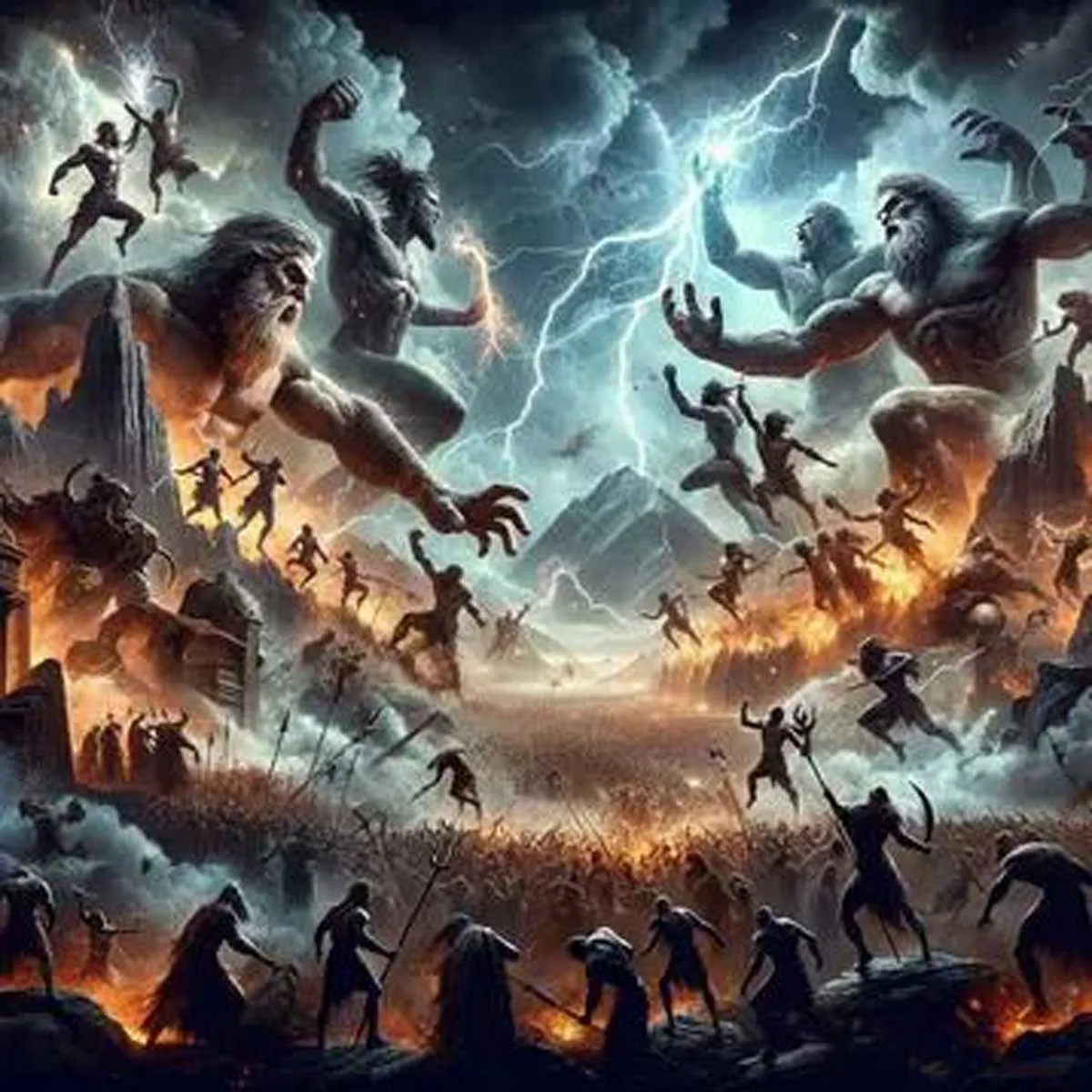
The Titanomachy, source: Greek Mythology

Theogony: Clash of the Titans (and the beginning of the Earth)

At the beginning of everything, there was only Chaos – a dark, empty, shapeless space. (This is where the English word ‘chaos’ meaning disorder or confusion comes from!). There was no Earth, no sky, no sea – just dense darkness. Then the Earth – personified by Gaia – was born out of Chaos. Gaia is Mother Earth, the matriarch of all existence. Gaia then gave birth to the sky – personified by Uranus (not to be confused with the planet – that was the name chosen by humans much later on!). Gaia also produced the mountains, the sea, the sun, the moon and stars. She did this all alone – from her own being.

After this, Gaia and Uranus mated together and had many children, including the Titans. Soon however, Uranus was afraid that his children would try to take his power, so he hid the Titans deep inside the earth.

But one of the Titans, Cronus, was stronger and braver than all the rest. He rose up and defeated his father Uranus to become the new ruler. Cronus then married Rhea – goddess of fertility, childhood and motherhood (also a child of Gaia and Uranus). They had children together that would eventually become gods, or the Olympians.

However, Cronus, like his father, was anxious that one of his children would take his throne. So, every time a baby was born, he swallowed it to keep it from growing up and rising against him.

But when his wife Rhea was pregnant with her sixth child, she wanted to save it. She secretly gave birth on a mountain in Crete and hid the baby. She named him Zeus.
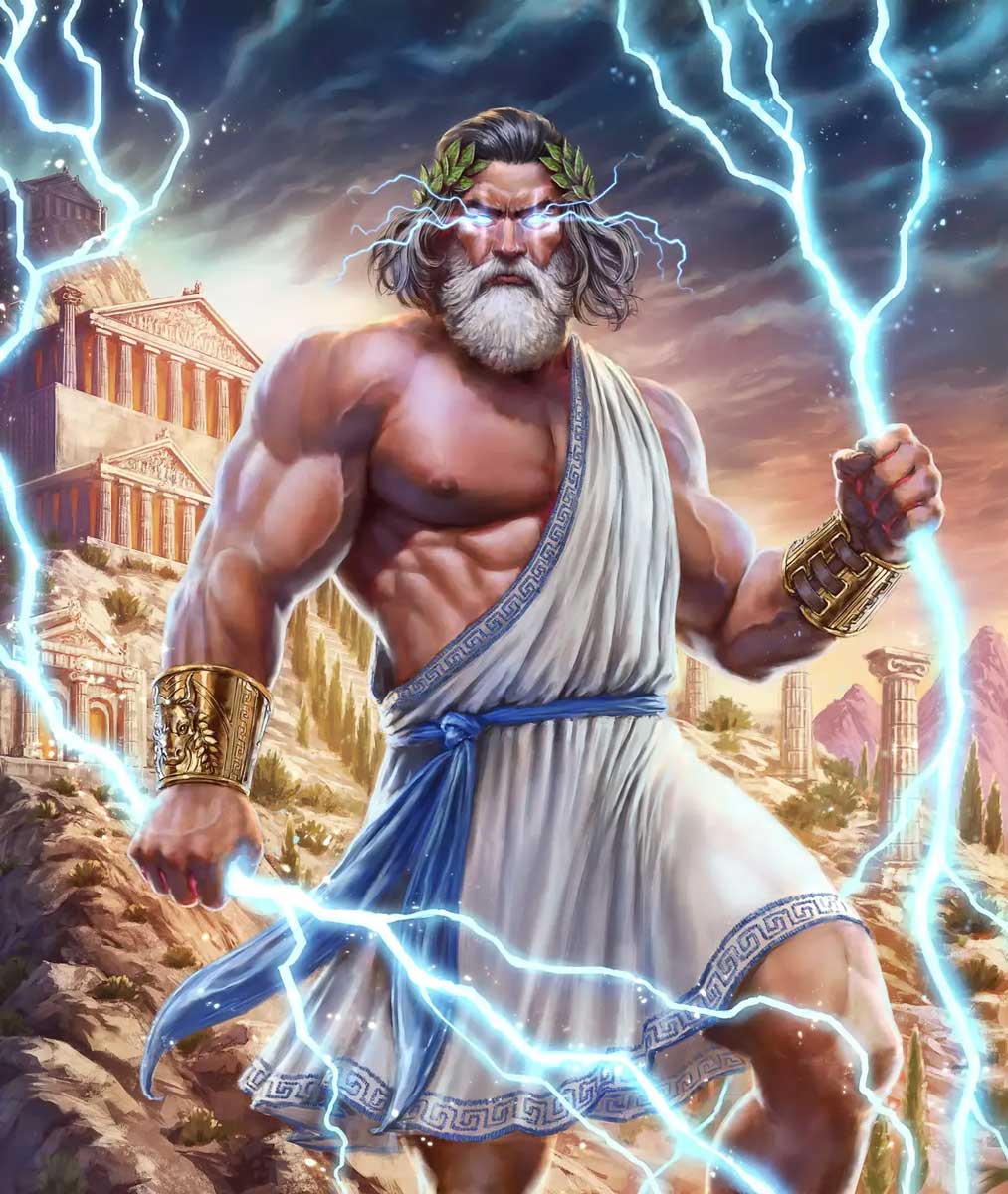
Zeus, as depicted in Age of Empires

To fool Cronus, Rhea gave him a rock wrapped in cloth, and Cronus swallowed it, thinking it was the baby. (This doesn’t seem like a healthy relationship!)

Zeus, hidden in a cave in Crete, was raised by nymphs – these are less powerful female deities, often personifying nature like rivers, trees and mountains. When Zeus grew up, he found out what happened to his brother and sisters and sought to save them. He found his father Cronus, and tricked him into drinking a mixture of wine and mustard. The drink made him vomit – and in doing so, vomit up his five siblings – who came out fully grown! These five children, and Zeus, became ‘the gods’:

  • Hera: (Queen of the gods)
  • Hestia: (Goddess of the hearth)
  • Demeter: (Goddess of the harvest)
  • Hades: (God of the underworld)
  • Poseidon: (God of the sea)

There was now a battle for power between Cronus’ children (the gods) and the Titans. The huge war was called the Titanomachy and it lasted for ten years. In the end, Zeus and the gods won and sent the Titans to Tartarus, a dark and deep prison in the underworld.

Later, the gods also fought another long and violent war against the Giants, called the Gigantomachy. The gods won again.

Finally, the warfare stopped and Zeus became the king of the world. The gods went to live on Mount Olympus, ruling over everything.
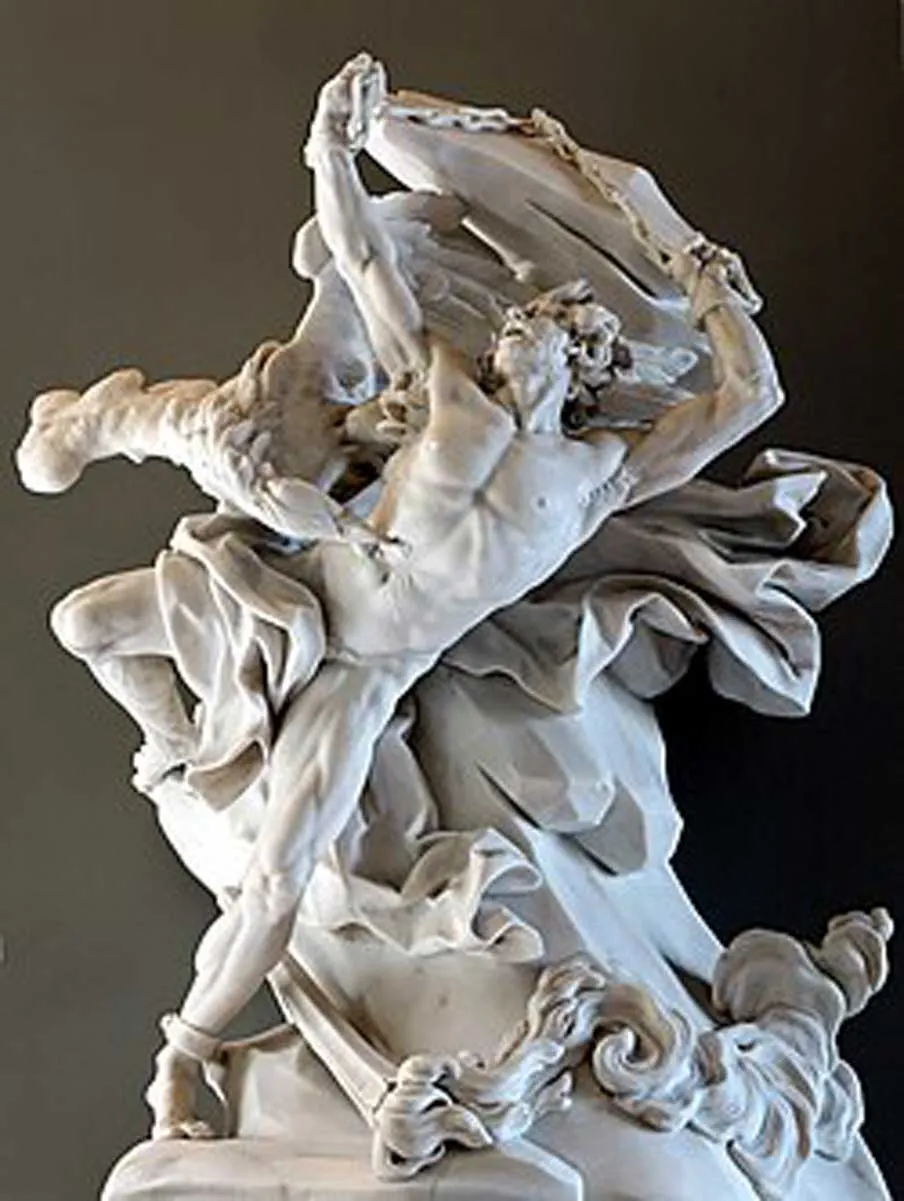
Prometheus depicted in a sculpture by Nicolas-Sébastien Adam, 1762 (Louvre)

Prometheus and the Fire

Zeus often gave gifts of power and nature to gods – but he didn’t care much about humans (or mortals as they were often referred). But the Titan Prometheus had a sweet spot for the mortals – and wanted to help them. So, he climbed Mount Olympus, stole fire from the gods and gave it to people down below. With fire, the humans could now stay warm, cook, build tools and materials – all the important things to build civilisation! How nice of Prometheus!

Zeus, however, was furious. His punishment to Prometheus was ruthless. He chained him to a mountain and every day, an eagle came and ate his liver. Because Prometheus was an immortal god, the liver would grow back each night – only for the eagle to come and eat it again. This went on for 30 years, until Hercules (the hero – who also happens to be Zeus’ son) came and set Prometheus free.
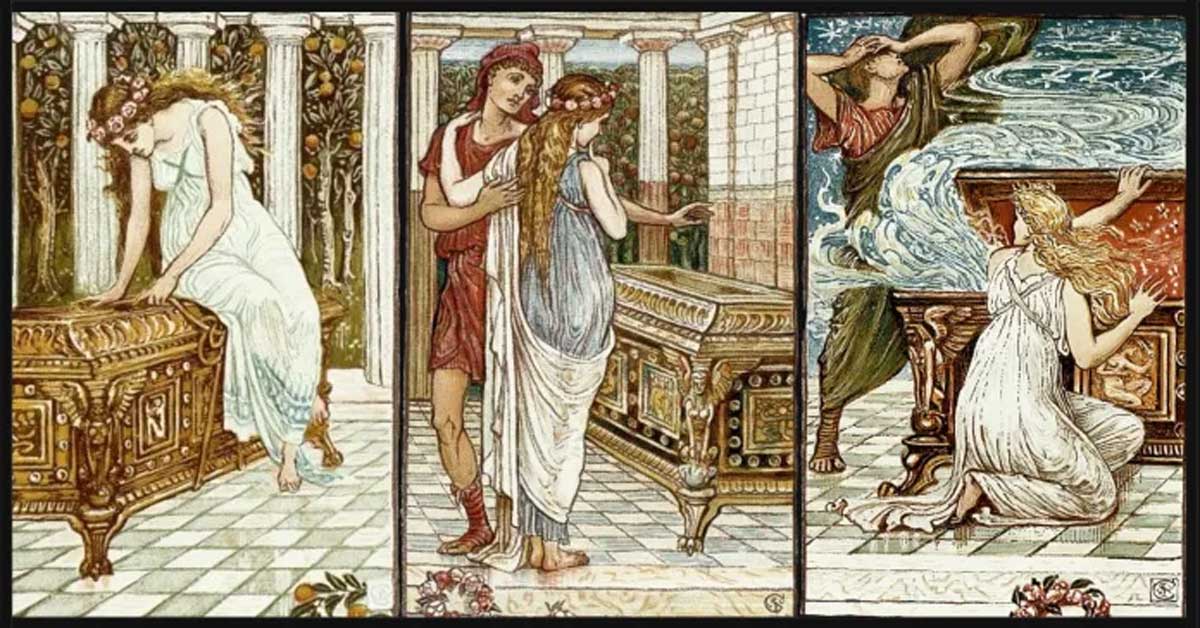
Three scenes depicting Pandora and her cursed container,
illustrated by Walter Crane (1845-1915), via Creative Commons

Pandora’s Box

After Prometheus gave fire to humans, Zeus also wanted revenge on all humanity. So, he told Hephaestus (God of blacksmiths, artisans, fire, and volcanoes), to make the first woman from earth and water.

Each god gave her a special gift: wisdom, beauty, cleverness, and more. Her name was Pandora, which means “all gifts.”

Zeus gave Pandora a jar (often called a box) and told her never to open it. Then he sent her to Epimetheus, Prometheus' brother, as a gift as a bride.

Even though Prometheus had warned his brother not to accept any gifts from Zeus, Epimetheus accepted Pandora as his bride.

One day, Pandora couldn’t resist her curiosity and opened the jar. Suddenly, all the evils of the world – like sickness, war, death, and pain – escaped and spread everywhere.

The Release of Prometheus, 1864 oil on canvas by Carl Bloch, Athens

What Is Greek Mythology?

Greek mythology is a collection of stories about gods, heroes, monsters, and the beliefs of Ancient Greece. The myths often include battles and adventures, and they taught lessons about bravery, love, intelligence, morality and more.

These stories were created by the Ancient Greeks, developed over centuries and passed down through generations. They used these stories to explain things happening in the world around them, like storms or earthquakes. That’s why they had many different gods – for the sky, the sea, the forests, and even heroes who were half-human and half-god. Greek gods are not necessarily ‘good’ like many modern conceptions of ‘god’ tend to be. Instead, they are often flawed and obsessed with power. The Greeks therefore believed that the gods could be rewarded or punished for their actions, just like people.

It’s hard to know exactly when Greek mythology started, but we know it’s very old – about 4,000 years old! Despite this, the stories are still widely told and adapted to this day, and have been depicted in paintings, plays, books, movies, video games and hold many lessons for modern times.

Greek mythology includes many stories – it would take hundreds of editions of About Time to tell them all! We can include here short summaries of a few famous Greek myths. Maybe you’ve heard of some of them (or some gods!).

The Titanomachy, source: Greek Mythology

Theogony: Clash of the Titans (and the beginning of the Earth)

At the beginning of everything, there was only Chaos – a dark, empty, shapeless space. (This is where the English word ‘chaos’ meaning disorder or confusion comes from!). There was no Earth, no sky, no sea – just dense darkness. Then the Earth – personified by Gaia – was born out of Chaos. Gaia is Mother Earth, the matriarch of all existence. Gaia then gave birth to the sky – personified by Uranus (not to be confused with the planet – that was the name chosen by humans much later on!). Gaia also produced the mountains, the sea, the sun, the moon and stars. She did this all alone – from her own being.

After this, Gaia and Uranus mated together and had many children, including the Titans. Soon however, Uranus was afraid that his children would try to take his power, so he hid the Titans deep inside the earth.

But one of the Titans, Cronus, was stronger and braver than all the rest. He rose up and defeated his father Uranus to become the new ruler. Cronus then married Rhea – goddess of fertility, childhood and motherhood (also a child of Gaia and Uranus). They had children together that would eventually become gods, or the Olympians.

However, Cronus, like his father, was anxious that one of his children would take his throne. So, every time a baby was born, he swallowed it to keep it from growing up and rising against him.

But when his wife Rhea was pregnant with her sixth child, she wanted to save it. She secretly gave birth on a mountain in Crete and hid the baby. She named him Zeus.

Zeus, as depicted in Age of Empires

To fool Cronus, Rhea gave him a rock wrapped in cloth, and Cronus swallowed it, thinking it was the baby. (This doesn’t seem like a healthy relationship!)

Zeus, hidden in a cave in Crete, was raised by nymphs – these are less powerful female deities, often personifying nature like rivers, trees and mountains. When Zeus grew up, he found out what happened to his brother and sisters and sought to save them. He found his father Cronus, and tricked him into drinking a mixture of wine and mustard. The drink made him vomit – and in doing so, vomit up his five siblings – who came out fully grown! These five children, and Zeus, became ‘the gods’:

  • Hera: (Queen of the gods)
  • Hestia: (Goddess of the hearth)
  • Demeter: (Goddess of the harvest)
  • Hades: (God of the underworld)
  • Poseidon: (God of the sea)

There was now a battle for power between Cronus’ children (the gods) and the Titans. The huge war was called the Titanomachy and it lasted for ten years. In the end, Zeus and the gods won and sent the Titans to Tartarus, a dark and deep prison in the underworld.

Later, the gods also fought another long and violent war against the Giants, called the Gigantomachy. The gods won again.

Finally, the warfare stopped and Zeus became the king of the world. The gods went to live on Mount Olympus, ruling over everything.

Prometheus depicted in a sculpture by Nicolas-Sébastien Adam, 1762 (Louvre)

Prometheus and the Fire

Zeus often gave gifts of power and nature to gods – but he didn’t care much about humans (or mortals as they were often referred). But the Titan Prometheus had a sweet spot for the mortals – and wanted to help them. So, he climbed Mount Olympus, stole fire from the gods and gave it to people down below. With fire, the humans could now stay warm, cook, build tools and materials – all the important things to build civilisation! How nice of Prometheus!

Zeus, however, was furious. His punishment to Prometheus was ruthless. He chained him to a mountain and every day, an eagle came and ate his liver. Because Prometheus was an immortal god, the liver would grow back each night – only for the eagle to come and eat it again. This went on for 30 years, until Hercules (the hero – who also happens to be Zeus’ son) came and set Prometheus free.

Three scenes depicting Pandora and her cursed container,
illustrated by Walter Crane (1845-1915), via Creative Commons

Pandora’s Box

After Prometheus gave fire to humans, Zeus also wanted revenge on all humanity. So, he told Hephaestus (God of blacksmiths, artisans, fire, and volcanoes), to make the first woman from earth and water.

Each god gave her a special gift: wisdom, beauty, cleverness, and more. Her name was Pandora, which means “all gifts.”

Zeus gave Pandora a jar (often called a box) and told her never to open it. Then he sent her to Epimetheus, Prometheus' brother, as a gift as a bride.

Even though Prometheus had warned his brother not to accept any gifts from Zeus, Epimetheus accepted Pandora as his bride.

One day, Pandora couldn’t resist her curiosity and opened the jar. Suddenly, all the evils of the world – like sickness, war, death, and pain – escaped and spread everywhere.

Nine Things I Learned From Reading Last Month

By Jeffrey

Franz Kafka, the famous Czech writer, never married but was engaged numerous times. He would write to his first fiancee, Felice, 2, 3 or 4 letters daily when he was working in Prague and she was living in Berlin. By Kafka’s own reckoning, he wrote to her perhaps 500 letters.

Learn

ISSUE NO. 20

2 MIN READ

Exploring the World Through Animal Senses

By Shae Wiedermann

Humans have five traditional senses: sight, sound, smell, touch and taste. We go about the world using these senses to guide us, and we are heavily reliant on vision as our primary and dominant sense.

Learn

ISSUE NO. 19

4 MIN READ

National Dishes From Around the World

By Shae Wiedermann

Have you ever heard of a national dish? No doubt you’re aware of a national anthem or a national flag, but what is a national dish?

Learn

ISSUE NO. 18

3 MIN READ

Christmas, Hanukkah and Other Celebrations in December

By About Time

While you may have heard of Christmas and Hanukkah, did you know that there’s also an important Buddhist celebration and a Wiccan festival in the same month?

Learn

ISSUE NO. 17

2 MIN READ