Ask the Doctor: Acne (Pimples)
Ethan Cassidy


Your browser window currently does not have enough height, or is zoomed in too far to view our website content correctly. Once the window reaches the minimum required height or zoom percentage, the content will display automatically.
Alternatively, you can learn more via the links below.
Hello! I’m Harley, a doctor working in Victoria. Welcome back to Ask the Doctor!
Today, we’re talking about skin, in particular, acne – the annoying pimples you thought would cease once you left the clutches of puberty, and yet, here you are as a 20, 30, 40-year-old still wondering why your skin hates you so much.
Well, you’re not alone. About 60 per cent of people in their 20s still experience acne, and at least 40 per cent of those in their 30s.
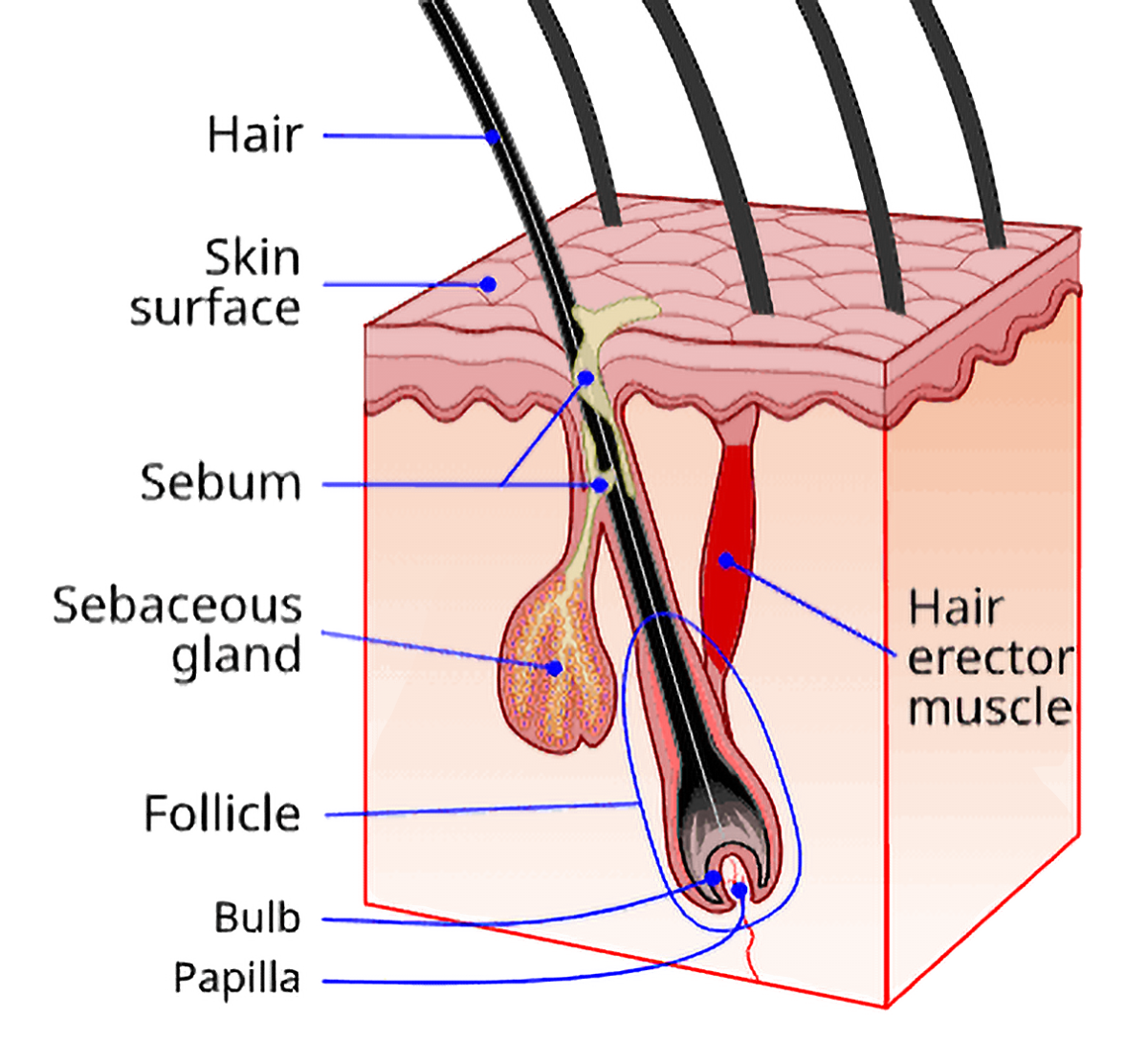
Basically, all over your body you have little pores (see image). These pores have three main components:
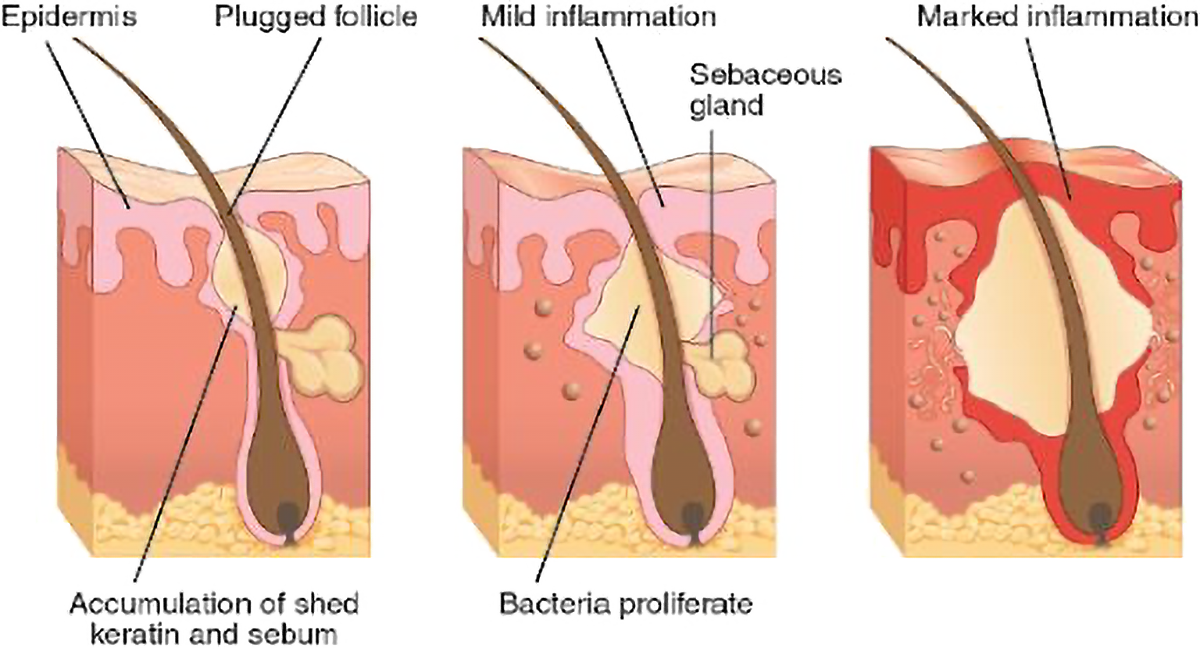
Acne is what happens when these pores get blocked. They can become blocked by dead skin cells or excess oils. These pores can trap bacteria, causing the immune system to activate and come to the rescue – unfortunately, this just increases the redness and pain of the pimples (see image).
The million dollar question!
1. Genetics: Having parents or siblings with acne makes you three times more likely to have issues with acne.
2. Hormones: This is classically why many of us get pimples during puberty – hormones are to blame, driven by our genes. Menstrual cycles and hormone conditions like PCOS can also lead to pimples.
3. Diet: There is often a suggestion that diet is related to the development of acne, particularly dairy products and high sugar diets. There is some evidence to support this and it’s worth a shot cutting something out of your diet for a few weeks.
Other factors include: obesity, smoking, stress, cosmetics, medications.
Yes! Treatment for acne is not perfect but it is certainly getting better. Treatment may include: topical retinoids, short term antibiotics, oral contraceptive pills, or oral isotretinoin. It’s important to note that all of these treatments have side effects, so you should speak to your doctor about what options might work for you.
Please write to About Time with any questions you have or suggestions for future topics. Trust me, nothing is off limits – most of my day is spent asking whether people have opened their bowels or farted.
I never expected to walk into prison carrying hepatitis C, and I definitely didn’t expect to walk out with a purpose. But that’s how my story goes – messy, painful, and somehow still full of hope.
Sleep is one of the most important parts of our physical and psychological health.
Determined to make positive changes in life? It can start with digestion!
Stress is an unavoidable part of life, but within a prison environment it is often increased by uncertainty, loss of freedom, separation from loved ones, conflict, boredom, and concerns about the future.